Day-of-Week Catering Labels: Cold Adhesion, Writing and Clean-Removal Trials
Oct 12, 2026
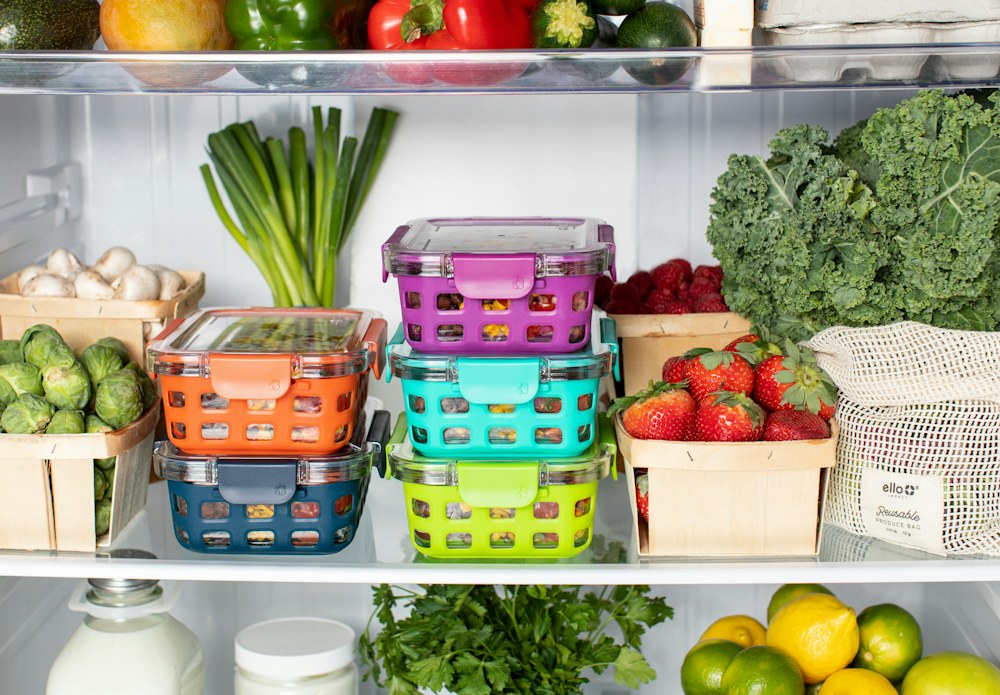
Specify custom printed kitchen batch labels with trials for cold adhesion, clear writing, clean removal and traceable identification before bulk orders. A weekday sticker can look correct on an artwork proof and still fail in a working kitchen. It may lift from a chilled lid, smear under a gloved hand or remain attached after washing. For airline caterers, central kitchens and meal distributors, the purchasing decision should therefore cover the label, the container and the operating procedure together. The objective is a readable identifier that remains attached for its intended service period and can be removed through the agreed cleaning process. 1. Define the job of removable day-of-week labels for airline catering Decide what the weekday actually represents: preparation, packing, opening, inspection or another event in your procedure. Do not allow different teams to interpret the same colour differently. A Monday colour alone also cannot identify which Monday, which shift or which production batch was involved. Include a written calendar date and a batch reference wherever the workflow needs that distinction. Separate identification from food-safety decisions. A label does not establish shelf life, confirm temperature control or decide when food must be discarded. Those decisions belong to the operator’s validated food-safety procedures and the requirements of the destination market. The printed fields should help staff follow those procedures, not imply that every product remains acceptable for a seven-day cycle. 2. Start with the container and the application conditions Give the label supplier actual samples of the lid, tray, tote or reusable tub. Record its material, surface texture, curvature and available flat area. Smooth polypropylene, textured lids and coated paper packaging should not automatically share one approval result. New containers and repeatedly washed containers may also behave differently. Distinguish application temperature from service temperature. Applying a label to a dry container before chilling is a different task from applying it to an already cold, damp lid. Specify both scenarios if both occur. Record whether staff wipe the surface first, how much pressure they apply and how long the label remains in place before handling. Never substitute a supplier’s general claim of cold-storage suitability for a trial under your conditions. 3. Choose face stock, adhesive and format as a system XHANCO’s current day-of-the-week removable label listing describes coated paper, removable adhesive and custom day and shift printing. Treat that listing as a starting point for a written specification, not as proof that a particular adhesive grade suits every cleaning chemical or temperature cycle. Request the proposed construction and its intended use conditions. For color-coded food rotation labels for reusable containers, the central trade-off is secure attachment during handling versus removal at the agreed point. Repositionable, removable, permanent and dissolvable are not interchangeable descriptions. Ask what happens when the label is lifted, whether it can be reapplied, and whether removal is expected before washing. Do not assume a paper label or its adhesive will dissolve safely in a dishwasher. Choose sheet or roll supply around the workstation. Sheets can simplify manual counting and distribution; rolls may suit a dispenser or a higher-throughput packing position. Confirm label dimensions, liner handling, die-cut release and pack quantities. A cheaper format is not cheaper if staff repeatedly damage labels while separating them from the liner. 4. Run a small, controlled qualification trial Use the following trial plan as a practical starting point, not as a laboratory standard. Agree the number of samples and acceptance limits before testing. Include a current approved label as a control so that changes in container condition or operator technique are easier to identify. Application: apply labels to each nominated surface using the written method. Include dry and condensation-prone conditions where relevant, and record the actual temperatures. Retention: inspect after the agreed dwell period, cold storage, stacking and transport simulation. Record edge lift, sliding, tearing and complete detachment separately. Writing: use the actual pen or printer. Check drying time and readability after representative glove contact and moisture exposure. Removal: peel at the planned removal point. Record paper splitting, adhesive residue and the effort required; do not report only whether the label eventually came off. Cleaning: follow the container’s approved cleaning method after label removal. Check that residue has not become harder to remove and that container surfaces remain suitable for reuse. Change one variable at a time when a result is unsatisfactory. Replacing the adhesive, face stock, container and application method simultaneously makes it difficult to determine what solved the problem. Keep failed samples and photographs with the trial record. 5. Build artwork that staff can use under pressure Combine weekday text with colour rather than making colour the only signal. Check contrast, type size and writing space on a physical proof at actual size. Review it under the lighting used in the kitchen and with staff who will fill it in. A screen mock-up cannot establish whether the date box is large enough for handwriting. Use unambiguous date and time fields across sites. Define whether times are local and whether a shift crossing midnight records its start date or production date. Include an operator or batch field only if someone will complete it and another person can interpret it. Avoid filling a small label with branding at the expense of operational information. A QR code is optional. If requested, define the destination record, print size, scanning device and access permissions, then test the printed code after cold storage and handling. A readable code without a maintained underlying record adds little traceability value. 6. Control OEM approval and repeat deliveries For OEM/ODM orders, retain the approved artwork revision, physical sample, material construction and trial report together. Ask the supplier to notify you before changing adhesive grade, face stock, liner, ink system or manufacturing location where these affect the approved performance. Agree which changes require another application trial. Incoming checks should cover the full weekday set, print registration, missing labels, release from the liner, legibility and the agreed pack count. Sample more than one position in the shipment rather than inspecting only the top sheet. Keep delivered lot identifiers with the purchase order and record any deviation before issuing labels to production. 7. Send a useful request for quotation Include container samples, application and service conditions, required dwell period, removal method, label dimensions, weekday languages, shift fields, artwork, dispensing format, order quantity and destination. Ask for a trial quantity before approving bulk supply. Pricing, minimum quantities and lead time should be confirmed for the actual specification. Explore the existing weekday label application page, then send XHANCO your container and label requirements. A specification-led sample review is more useful than approving a colour chart alone. Cover photograph: Ello on Unsplash, used under the Unsplash License. Illustrative cold-storage scene; not XHANCO products, a label-performance test or a customer endorsement. Content contact: Peter, CEOPublisher: XHANCO - Guangdong Xinghan Industrial Co., Ltd.For product specifications, sample planning and company enquiries, contact XHANCO.
Read More