Enter product details (such as color, size, materials etc.) and other specific requirements to receive an accurate quote...
Leave A Message
If you are interested in our products and want to know more details, please leave a message here, we will reply you as soon as we can.
submit
Home

Blogs

Blogs

  • Airline Meal Tray Packaging Specification: Testing Trays, Lids and Printed Boxes
    Airline Meal Tray Packaging Specification: Testing Trays, Lids and Printed Boxes
    Oct 28, 2026
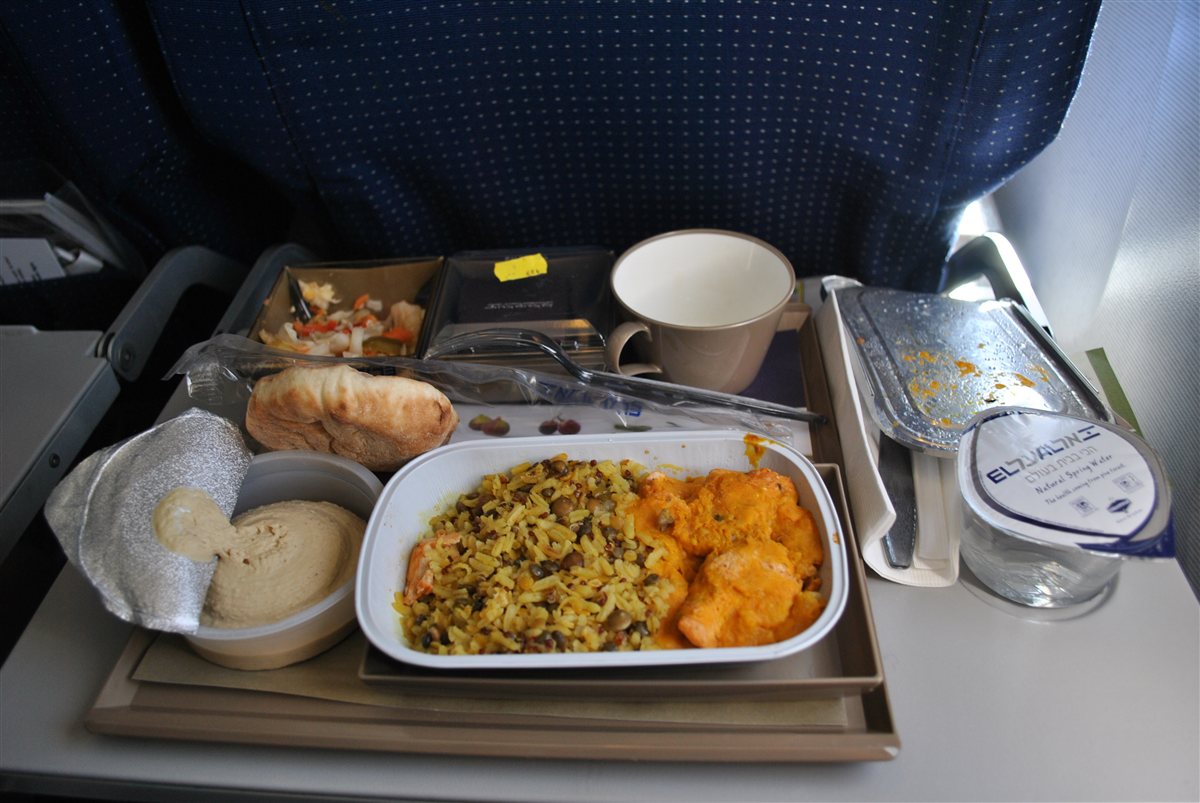
    An airline meal pack is an assembly, not just a tray. It may pass through portioning, chilled holding, transport, trolley loading, reheating, service and collection. Each step can expose a different weakness: a lid that lifts after condensation, a paper box that softens, a tray that binds in a cart, or an attractive print finish that lacks the right food-contact documentation. The purchasing task is to convert that route into an airline meal tray packaging specification that both caterer and manufacturer can test. XHANCO offers aluminum foil containers, printed paper meal boxes and bagasse trays within its airline meal tray range. These are candidates for different service models, not interchangeable “airline approved” formats. The following workflow is designed for purchasing teams that need comparable samples, a defensible evidence file and repeatable OEM production. 1. Describe the complete meal journey Begin with the food, not a material preference. Record portion mass, liquid content, fat level and whether acidic components touch the container. Add the fill temperature, storage time, chilled or frozen hold, transport vibration, reheating equipment and service temperature. A cold snack pack and an oven-heated hot meal have different failure modes. Specify whether the lid stays on during heating, whether the container sits inside another tray, and whether the crew handles it with gloves. For US-bound food-contact applications, the US Food and Drug Administration's food types and conditions-of-use tables distinguish applications such as refrigerated storage and reheating in the container. They are useful for framing a supplier's intended-use statement. They do not turn a generic “food-grade” claim into a product authorization. The FDA explains that the regulatory status of a finished food-contact article depends on its components and their applicable use limitations in its component-status guidance. 2. Compare material and format against the job Candidate format Published XHANCO example Trial questions Aluminum foil hot-meal container Model 380-23: 159 × 102 × 30 mm; 0.085 mm foil Does the exact rim and lid seal reliably? Does the filled assembly fit the heating equipment and airline tray? Validate the actual heating cycle; never assume microwave suitability. Printed paper meal box Large paper box: 300 g coated board; 240 × 150 × 50 mm Does the coating and crease pattern withstand the intended food, humidity, stacking and storage period? What touches the food, and where is the print? Molded fiber compartment tray Four-compartment bagasse tray: 220 × 190 mm listed format Do compartment volumes, lid fit, oil/water resistance and handling performance match the meal? Are food-contact and disposal claims supported for the exact supplied construction? The dimensions above come from current XHANCO product pages. They are catalogue starting points, not universal aircraft, trolley or regulatory standards. The buyer should confirm the current drawing and quote, especially if a custom lid, coating or inner liner changes the assembly. 3. Write a sample plan that can reject failures Request production-representative units from the proposed line and material sources. Fill them with the real menu or an agreed test medium. Trial the full sequence: loading, chilled storage, cart insertion, transport simulation, any heating step, service opening and waste collection. Measure the outer dimensions and usable fill volume, not just the nominal mould size. Record the cart and oven model, time-temperature cycle, number of packs, sampling lot and pass/fail criteria. Useful failure criteria include lid peel or lift, liquid leakage, grease strike-through, deformed rims, broken hinges, print scuffing, nesting jams and insufficient grip after heating. Stack the filled packs at the actual cart height; a container that passes a bench-top leak test may fail under the load of the stack. Ask the caterer to identify the acceptable failure rate and who will sign the trial report. Photographs are useful, but retained failed samples and measured results are better evidence. For custom printed airline paper meal boxes, put the dieline, crease position, print safe area, brand colours, coating side and permitted food-contact areas in one controlled drawing. A digital proof checks artwork, not moisture resistance or fold behaviour. Approve a physical sample from representative board and printing. If the insert or outer sleeve changes, review the entire packing sequence again. 4. Match compliance documents to the destination For EU-bound packs, the European Commission states that all food-contact materials placed on the EU market must meet Regulation (EC) No 1935/2004 and be manufactured under Regulation (EC) No 2023/2006 on good manufacturing practice. Material-specific EU or national provisions may also apply. The Commission overview is the starting point, while the legal texts define the obligations. Ask for evidence tied to the specific tray, coating, print, adhesive and lid, the intended food and contact conditions, and the actual producer. A certificate for a base resin or a different construction is not enough. US programmes need a separate component-by-component review under the applicable FDA framework. A buyer should ask who made the contact layer and which authorization or other legal basis applies to the intended use. The FDA notes that a food-contact notification is effective for the named manufacturer or supplier and its stated conditions of use; it is not a blanket approval for identical material from every source. Record the document revision and change-control trigger in the purchase specification. Environmental language also needs scope. A bagasse meal tray for inflight catering may have an attractive fiber story, but material identity does not prove industrial compostability of a coated final tray or access to a composting route after an international flight. IATA's sustainable-cabin guidance identifies catering waste as a mix of food, beverages and packaging and notes that international catering waste can face special restrictions. Involve the airline's waste team before specifying an end-of-life claim on the box. 5. Convert an approved pilot into a repeatable OEM order The technical agreement should identify the approved sample revision, drawing, layer or board specification, dimensions and tolerances, colour reference, lid or closure, packing quantity, carton marks and lot code. Define incoming checks, in-process sampling, finished-pack tests and pre-shipment release records. XHANCO's published four-stage QC process offers a structure for discussing these records; the buyer should agree the specific methods and acceptance limits for the ordered SKU. For multi-market orders, use a matrix instead of one broad claim. One row per destination can identify the approved food and contact conditions, required documents, language or marking, and the waste route. A change from a foil container to coated board, or from a cold snack to a reheated meal, should trigger a fresh assessment. The same applies to a new lid supplier, print ink or adhesive. Before tender award, ask a simple question: can the factory reproduce the tested assembly on a second lot? Place a pilot order with the real packing configuration, then compare dimensions, fit, sealing, appearance and document identity against the signed sample. This costs less than discovering a mismatch across a full airline catering network. Send the menu and process map, proposed dimensions, equipment details, route markets, artwork and forecast through XHANCO's contact page to discuss a sample and quotation. Primary sources FDA — Food Types and Conditions of Use for Food Contact Substances FDA — Determining Regulatory Status of Food Contact Material Components European Commission — Food Contact Materials IATA — Sustainable Cabin and Cabin Waste Illustrative cover photograph: meal preparation by Richard R via Unsplash, cropped to 16:9 under the Unsplash License. It does not depict XHANCO manufacturing, a XHANCO product or an airline customer. Project evidence: Nanlian heat-seal film trials XHANCO developed two custom films for Guangzhou Nanlian Air Catering Co., Ltd. The published project records the following test conditions and outcomes. Transparent laminated heat-seal film220°C for 30 minutes. A large bao bun was heat-sealed in the film and tested on site with the XHANCO team present. The trial passed, with positive customer feedback. Paper-plastic composite heat-seal film220°C for 30 minutes. Test passed; the film is being supplied to and used by Nanlian. Read the complete development and supply case | Use the packaging trial worksheet   Content contact: Peter, CEOPublisher: XHANCO - Guangdong Xinghan Industrial Co., Ltd.For product specifications, sample planning and company enquiries, contact XHANCO.  
    Read More

  • Heavy-Duty HDPE Drawstring Bags for Airline Cabin Waste: A Fit-and-Load Trial
    Heavy-Duty HDPE Drawstring Bags for Airline Cabin Waste: A Fit-and-Load Trial
    Oct 27, 2026
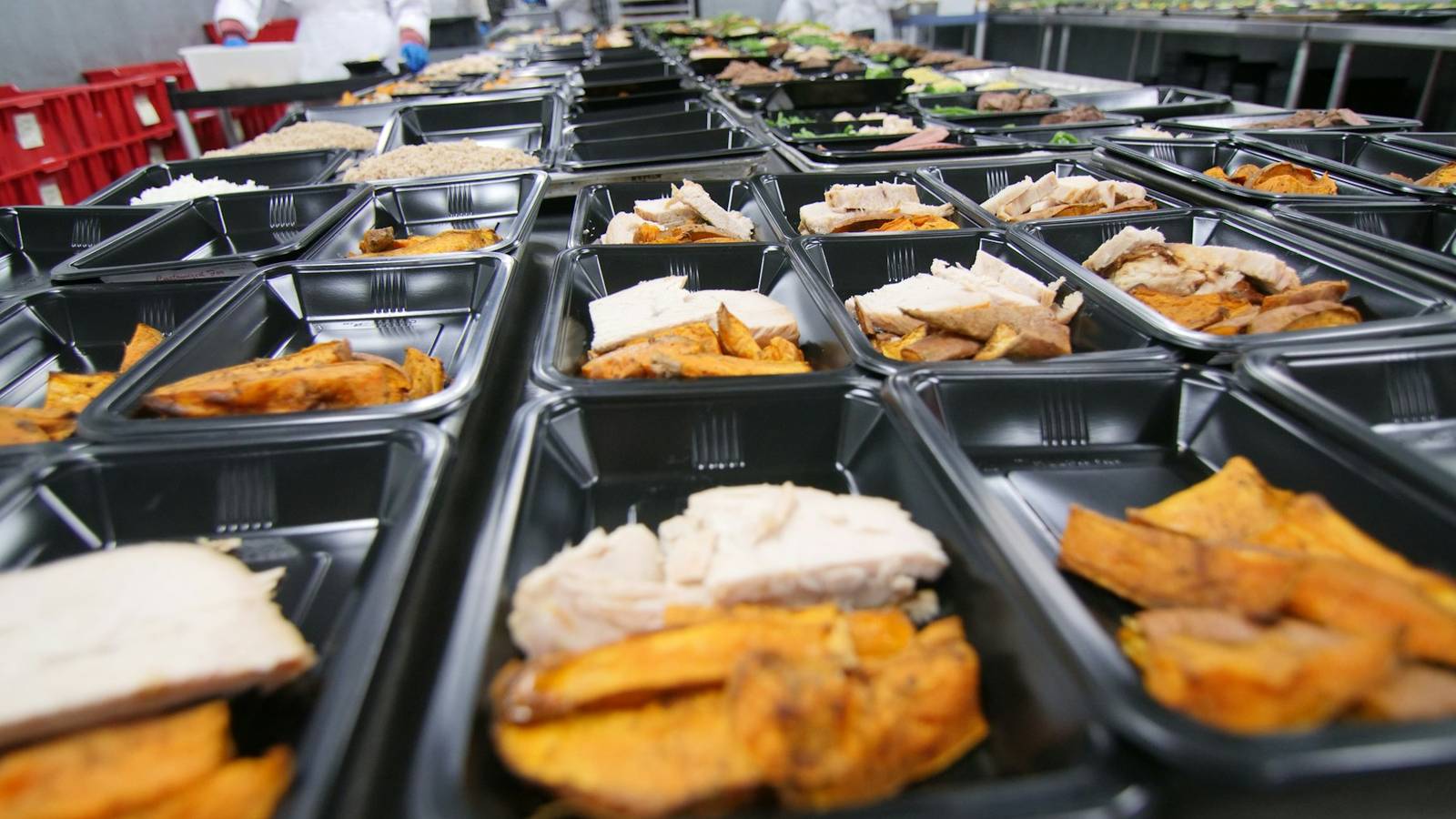
    Buying a cabin waste liner by nominal size alone is risky. The bag must fit the actual receptacle, stay secure while crew or cleaners load it, close without tearing, and move safely through the airline’s waste route. A thin liner that fails during removal costs more than its unit-price saving; an oversized liner can obstruct a trolley or leave excess material at the opening. The most useful procurement document is therefore a short, repeatable trial specification. XHANCO lists a blue drawstring HDPE garbage bag with a 116 × 96 cm nominal size and a listed 0.06 mm film thickness. These catalog figures provide a starting point, not a guarantee that the bag fits a buyer’s cart or passes a particular load test. The final specification should be agreed against the intended receptacle, loading pattern and disposal procedure. 116 × 96 cm cabin waste bag fit and load trial Measure the inside perimeter, height and rim of the actual bin or cart. Then test a production-representative sample after inserting it, folding it over the rim, loading it and lifting it out. A bag can be wide enough on paper yet difficult to secure over a thick rim. It can also reach the floor but leave too little material at the top to tie or draw closed. Run the trial with the site’s normal waste mix. A cabin-cleaning load may include cups, soft packaging, napkins and occasional rigid edges. Record the maximum agreed mass and the way the bag is lifted. Check seam integrity, film puncture, drawstring attachment, hand comfort and whether the closure remains secure when carried to the collection point. A useful test report states the receptacle model, sample dimensions, measured film gauge, load mass, number of cycles and pass/fail criteria. “Heavy duty” alone is not a measurable criterion. Temperature and moisture also matter. Liquids left in cups can expose a weak bottom seal or make the outside of a bag slippery. If the proposed use includes wet waste, set a leakage criterion and test it with a representative load. If bags are stored or handled in cold areas, confirm performance after the relevant conditioning period. Ask the factory to retain an approved physical sample and tolerance sheet so later production can be checked against the same reference. Separate material specification from disposal claims HDPE describes the polymer family. It does not mean the used bag is automatically recyclable, compostable or accepted by every local waste route. The route depends on contamination and the destination’s rules. The International Air Transport Association’s cabin waste program describes how cabin waste management involves different material streams and operational constraints. A buyer should specify the intended collection stream before selecting color, marking or material claims. International catering waste is a particularly important example. The UK’s Department for Environment, Food & Rural Affairs guidance on aircraft waste distinguishes recyclable material from international catering waste and explains the controls that apply to the latter. An airline operating multiple routes should involve its airport waste contractor and compliance team before deciding which cabin items can be separated and where they may go. A blue bag may help staff identify a stream in a local procedure, but color by itself creates no regulatory status. The procurement question is practical: will the same liner be used for mixed cabin waste, or will clean dry materials be separated at a point where the destination facility accepts them? That answer affects training, labeling and the expected contamination rate. It also affects whether a drawstring is preferable to a flat-top liner for the actual handling sequence. Specify the bag that the operation can repeat A complete request for quotation should include the bag’s nominal width and length, measurement method, thickness tolerance, resin requirement, color, drawstring construction, seam style, packing count and carton identification. Give the supplier a photograph or drawing of the intended receptacle only if your organization is authorized to share it. State whether the bag contacts food, chemicals or sharp objects; do not assume an ordinary waste liner is suitable for every application. For custom blue drawstring garbage bags for airport cleaning, the color should support the site’s own waste-sorting procedure and remain consistent across batches. Agree on an observable reference sample rather than a color name alone. If printed text is requested, confirm its location, legibility and whether the wording is accurate for every destination where the bag will be used. Packaging also changes the true cost of supply. Confirm bags per roll or pack, packs per carton, carton weight and storage footprint. A liner that reduces unit cost but forces extra carton changes or creates handling failures can increase operational cost. During the pilot, track bags consumed per flight or cleaning shift, failures per 1,000 uses and minutes spent fitting and removing liners. Those measures are more useful than judging the material by touch. A five-step approval sequence Measure the receptacle. Record rim, internal width, depth and required overhang, then decide whether one size can serve multiple stations. Agree on the trial load. Define mass, waste mix, moisture, rigid-edge items and lifting method. Include a margin consistent with the site’s handling rules. Test production-representative samples. Record fit, drawstring closure, puncture, seam strength and leakage results with photos and a retained reference sample. Confirm the waste route. Check local contractor instructions, route-specific restrictions and whether clean materials can realistically be separated. Lock the specification. Approve tolerances, packing, labeling, change-control notice and the inspection method for bulk deliveries. XHANCO’s cabin waste bag application page can help frame the use case, while the listed HDPE drawstring bag is one candidate for a measured trial. Neither page replaces approval on the buyer’s own carts and routes. If you are planning an airline or airport cleaning program, send the receptacle dimensions, expected waste mix, trial load, destination markets and annual volume through the contact page. A specification-led discussion will make samples and quotations more useful than a request for the cheapest nominal bag size. Primary sources IATA — Cabin Waste UK Defra — Aircraft waste: separating recycling and international catering waste Cover: Original conceptual illustration generated for this article; it does not depict a XHANCO product, facility, test or certification. Content contact: Peter, CEOPublisher: XHANCO - Guangdong Xinghan Industrial Co., Ltd.For product specifications, sample planning and company enquiries, contact XHANCO.  
    Read More
  • Custom Kraft Sandwich Boxes with Clear PET Lids: A 108 mm Buyer Trial
    Custom Kraft Sandwich Boxes with Clear PET Lids: A 108 mm Buyer Trial
    Oct 26, 2026
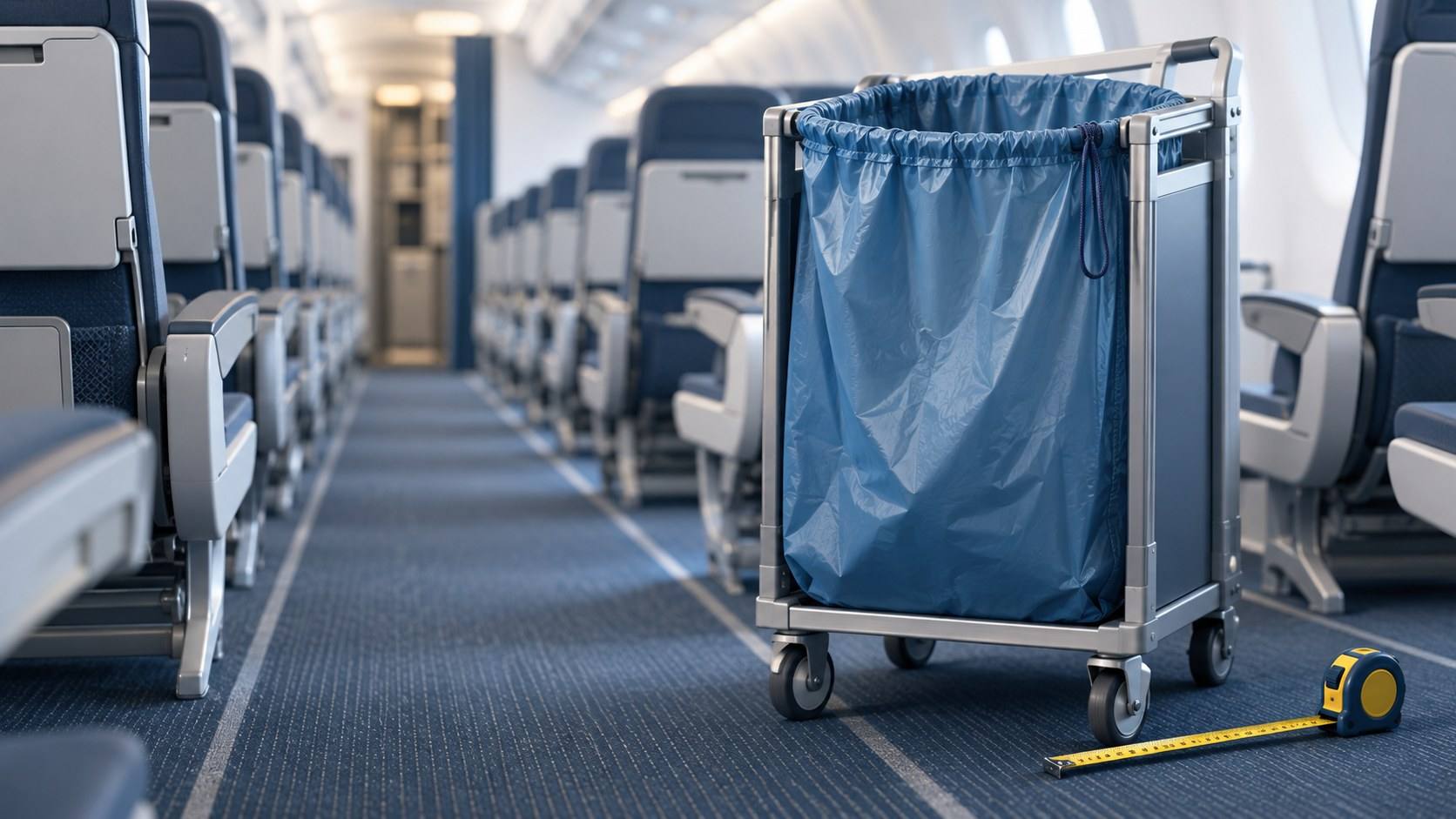
    OEM printed sandwich packaging for airline catering is often approved from a flat drawing and a perfect studio sample. The real test is less photogenic: a filled box leaving a chilled kitchen, being stacked into a transport tote, opened at the point of service and discarded through a known waste stream. A buyer should qualify the box, lid, food and handling route as one system. XHANCO's 108 × 108 × 60 mm square kraft sandwich box with a clear PET lid is a useful reference. The product page describes a kraft-board base, PET lid, custom printing and size options. Its listed packing is 1,000 sets per carton, approximate MOQ 50,000 sets and a lead-time estimate of 20–30 days after artwork and sample approval. Those are catalog starting points, not a promise for every custom order: confirm the final specification, tooling, carton count and schedule in writing. Start with the food, not the nominal box size Record the sandwich's maximum footprint and height after assembly, not only the bread dimension. A filling that projects beyond the bread, a croissant's uneven crown or a garnish can touch the lid before a nominally “matching” box looks full. Measure several actual portions at the beginning and end of a production shift. Ask the kitchen to identify the portion-weight range and the largest acceptable variation. Then use a physical cavity drawing. The listed 108 × 108 × 60 mm is a published external format; usable internal space, wall taper and lid intrusion must be checked on a sample. Set clearance for the actual food while avoiding excessive empty space that lets a sandwich move. If a second napkin, sauce sachet or label must sit inside, include it in the fit trial. A different pack may be needed for tall pastries and low-profile sandwiches even when both fit the same tray table. Square kraft sandwich boxes for chilled deli display A clear lid can improve product visibility without requiring a staff member to open the pack. It also makes condensation, fingerprints and scuffs visible. Compare samples after the intended chilling period and under the temperature transitions expected between kitchen, vehicle and display. Assess visual clarity under the actual display lighting. Do not assume “anti-fog” performance from PET alone; if that is a requirement, specify the treatment and a measurable trial. Chilled fillings raise a second question: moisture transfer to the paperboard base. Trial the wettest recipe and the longest expected hold, then check the bottom, corners and creases for softening, staining or leakage. If a coating or liner is proposed, request its material specification and reassess both food-contact suitability and the disposal statement. A dry pastry may pass with a simpler board that fails with a sauce-heavy sandwich. Keep separate acceptance criteria for each menu family. The lid must stay on during ordinary handling yet open without deforming the base or food. Test a real staff member closing and opening packs repeatedly. Look for incomplete snaps, lid whitening, sharp edges, trapped printed flaps and uneven fit after cartons have been stacked. For airline service, test within the assigned cart, drawer, tote or galley compartment; the outer dimensions of a single sample do not prove operational fit after many filled packs are loaded. Make the OEM brief measurable Supply the supplier with a drawing or sample of the food and the intended equipment. A useful brief states the outer and minimum internal dimensions, board grade and basis weight, lid resin and geometry, closure style, maximum filled weight, food type, contact duration, temperatures, print colors, carton count and route to market. If the artwork includes regulatory or sustainability claims, review them separately from the visual proof. The approved physical sample and the written drawing should carry the same revision number. For printing, compare the digital proof with a press-accurate sample on the chosen kraft tone. Natural board color can change how brand colors appear. Check the print on folds, glue seams and the food-contact side. Specify a readable lot or carton identifier and whether a unit-level date label is applied in the kitchen. The purchaser should also define whether the logo belongs on the base, the lid sticker or an outer sleeve; each position affects handling and visibility differently. Food-contact documentation belongs to the exact construction The European Commission's food-contact overview identifies Regulation (EC) No 1935/2004 as the general framework and Regulation (EC) No 2023/2006 for good manufacturing practice; plastics also have material-specific rules. For US orders, the FDA's food-contact explanation stresses that authorizations are tied to the substance and intended use. These sources describe the applicable review approach, not an approval of a XHANCO item. Ask for a declaration and supporting evidence matched to the ordered board, PET lid, inks, coatings and adhesives, and to the food and temperature conditions. A generic “food grade” phrase or a report for a different lid cannot settle the assessment. If the customer changes from chilled service to hot holding, review the new use rather than extending the first approval by assumption. Likewise, a plastic lid is not made compostable because it sits on a kraft base. Confirm whether the components can be separated and what the destination waste service actually accepts before printing a recycling or composting instruction. A two-stage sample trial before a production order Bench approval: agree the revision-controlled drawing, material composition, representative food portions, lid engagement, base rigidity, artwork and documentation package. Record failures instead of selecting only the best sample. Operating trial: fill packs at the normal production rate, chill and transport them through the planned route, stack them in the real tote or cart, then inspect appearance, closure, moisture, food condition and opening at service. Repeat on the wettest menu and after the longest permitted holding time. State sample quantity and pass/fail criteria before the trial. For example, the buyer can specify a maximum visible stain area, zero unintentional lid release in a defined handling sequence and no food-to-lid contact for the approved portion range. These are project-specific criteria to agree, not universal legal thresholds or performance already demonstrated by XHANCO. Keep photos of typical and failed samples with the test conditions. Ask the quality team to retain a signed reference pack and require notification before a board, coating or lid substitution. Compare the landed unit, not the empty sample A quotation should state the finished unit configuration, packs per carton, carton dimensions and weight, MOQ, tooling or printing charges, sample cost, lead time, freight basis and permitted over/under-delivery. Compare suppliers using the same food, printed specification, carton count and quality evidence. If one offer omits a lid or uses a thinner base, the unit prices are not equivalent. Forecast the number of units per flight or store per day and the replenishment buffer, then confirm pallet and warehouse capacity. To discuss a trial against the published square-box format, send XHANCO your food dimensions, menu and storage route, destination country, artwork, annual volume and acceptance criteria. Contact the team for an order-specific sample and quotation. The goal is an approved pack that works on the buyer's line and in the buyer's service, not a generic claim that one box suits every sandwich. Cover photograph: Monta Briede / Pexels, used under the Pexels License; cropped to 1200 × 675 px. Illustrative foodservice photography, not a XHANCO product or customer. Content contact: Peter, CEOPublisher: XHANCO - Guangdong Xinghan Industrial Co., Ltd.For product specifications, sample planning and company enquiries, contact XHANCO.  
    Read More
  • Custom Airline Kraft Paper Carry Bags: A Fit-and-Load Approval Guide
    Custom Airline Kraft Paper Carry Bags: A Fit-and-Load Approval Guide
    Oct 25, 2026
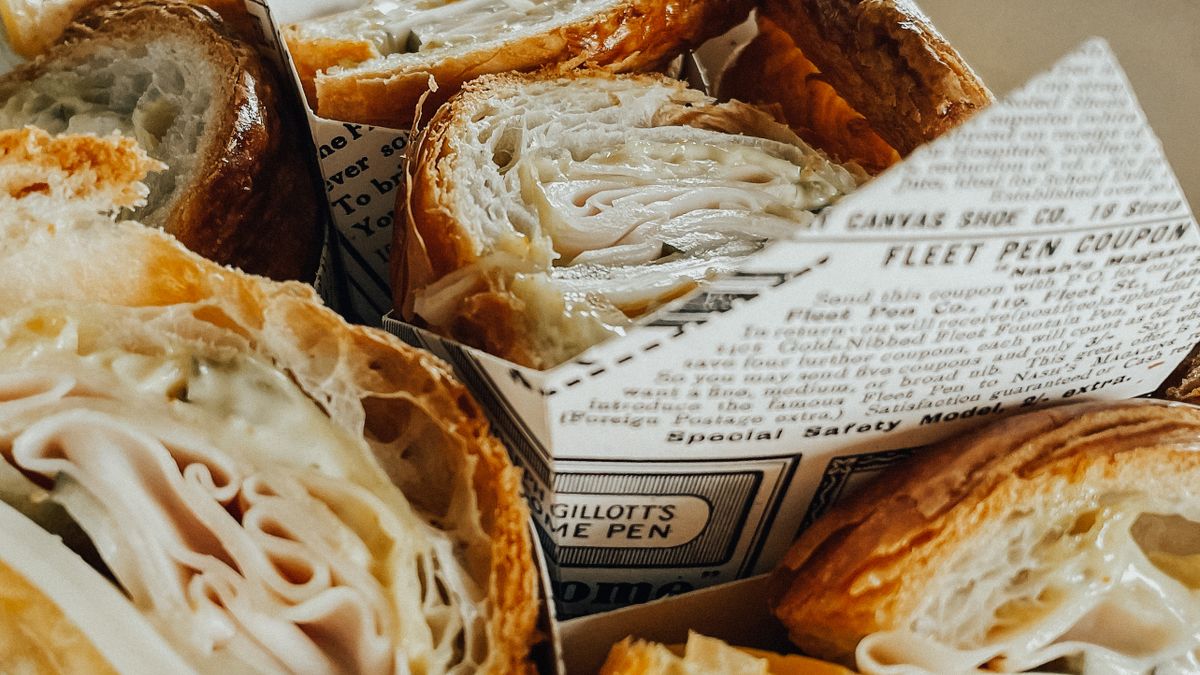
    For buyers specifying OEM printed paper bags for inflight meal kits, the approval question is not whether one sample looks attractive. It is whether a filled bag can be packed, lifted, stored, handed over and opened repeatedly without a handle detaching, a bottom seam opening or the printed surface rubbing onto adjacent items. This guide turns that question into a practical trial plan for XHANCO's airline kraft paper hand bag. It is a purchasing method, not a claim that every bag construction has already passed every route or food-contact requirement. Start with the service load, not the catalogue image Write down exactly what a crew member or caterer will put inside: for example, a wrapped snack, a sealed drink, a napkin and a small accessory. Weigh the heaviest credible combination, including condensation or secondary packaging. Record whether staff carry one bag by its handles, stack filled bags in a trolley or place them in a master carton. A bag that survives a quick desk lift may fail after several minutes of carry, a sharp carton corner or a wet service surface. Agree a target load and safety margin in writing before approving artwork. Check the usable interior, not only the nominal outside size. Measure the widest packed item, the height at the closure and any protruding lid. Leave enough clearance to insert and remove contents without crushing a meal box. For a multi-item kit, test the actual arrangement and orientation rather than relying on a volume calculation. If the bag will travel inside a trolley or catering box, include its loaded width, handle position and stacking height in the fit trial. Specify the 175g kraft paper hand bag for catering as a complete assembly XHANCO's current product listing describes a 175g kraft-paper bag with nominal dimensions of 170 × 75 × 100 mm, blue rope handles and a flat bottom. It also lists 22 g per piece, 500 pieces per carton, a negotiable 5,000-piece minimum order and a typical 15–25-day lead time. These are catalogue starting points, not automatically suitable specifications for every meal kit. Ask for a dimensioned drawing that labels width, depth and height, plus tolerances, handle length, handle attachment and the finished bag's maximum agreed load. Handle material and attachment matter as much as paper grade. A rope handle may feel comfortable but concentrates force where it enters the paper. Ask how the hole, patch or reinforcement is made and inspect both sides after testing. Confirm the base construction, side gusset, adhesive line and fold direction. If a different handle style, size or print is requested under OEM/ODM, qualify that variant separately: changing a cutout or patch can change the failure mode even when the paper weight remains the same. Run a trial around realistic failure modes Fit and pack: load the heaviest intended kit and repeat on a meaningful sample from more than one production position. Record insertability, closure clearance, upright stability and whether the handle catches on trolley dividers. Lift and dwell: lift by the handles for the agreed carry cycle and hold at the target load. Record stretching, tearing at the handle holes, seam opening and any permanent deformation. Agree acceptance criteria before the run. Humidity and condensation: repeat after the bag has been exposed to the real storage or service conditions. Paper strength and print appearance can change when damp. A cold drink or chilled meal pack may need a secondary barrier; do not infer wet strength from a dry sample. Rubbing and colour transfer: place printed bags against white adjacent packs and perform the expected handling cycle. Check legibility, abrasion, ink transfer and scuffing at folds. Stack and dispatch: pack finished bags in the proposed master carton, then assess carton count, compression, movement and damage after the actual distribution route or an agreed simulation. Use a signed sample-approval sheet listing sample revision, load, conditioning, method, number tested and observed failures. A single pass/fail statement without the test conditions will be difficult to reproduce when production starts. Keep a retained reference sample and photographic record for incoming inspection. Separate food-contact exposure from a marketing label A carry bag holding fully wrapped foods is not the same use case as a bag touching unpackaged bread or pastry. The latter requires a more specific review of paper, print, adhesive and any recycled-fibre content for the intended food and contact conditions. For EU-bound use, Regulation (EC) No 1935/2004 sets the framework for materials and articles intended to contact food; Article 3 addresses safety under normal or foreseeable use and prohibits misleading labelling or presentation. Ask the supplier for application-specific supporting documentation, the contact side, applicable migration or other test evidence, and any restrictions. Do not interpret a generic 'food-grade' phrase on a catalogue page as approval for every direct-contact use or destination market. Proof artwork as a manufacturing specification Send vector artwork, colour references, the proposed print area and a dieline that marks folds, glue zones, handle holes and the base. Verify that mandatory text remains readable after folding and is not hidden by a handle or kit label. Approve a physical printed sample under representative lighting, not just a screen rendering. If colour is critical, agree a measurable target and viewing condition; if a logo crosses a gusset, check its appearance when the bag is filled. Identify who signs off artwork revisions and how obsolete files are removed from the production release. Control cartons, lead time and total order cost A bag that performs in hand can still arrive crushed. Specify the inner pack, carton count, carton strength, humidity protection, pallet pattern and maximum stack height for the expected route. ISO 12048 describes compression and stacking tests for complete filled transport packages; it is a possible reference for testing the master carton, not a certification of the paper bag or its handles. Select an appropriate distribution test with the logistics team and record the condition of bags at destination. The product listing's MOQ and lead time are planning inputs, not a delivered price or guaranteed schedule. Request a quotation that separates bag dimensions, paper and handle construction, number of print colours, sampling/tooling, carton packing, order quantity, shipping term and delivery destination. Compare cost per accepted, usable bag rather than unit price alone. Rejected bags, repacking and a missed catering dispatch window can outweigh a small piece-price saving. Confirm which changes trigger a new sample or price before placing a repeat order. Buyer approval checklist Approved drawing with labelled dimensions, tolerances, handle construction and artwork revision. Actual kit contents, maximum filled weight, carry cycle and storage conditions agreed. Fit, lift, damp-condition, rub and carton trials recorded with acceptance limits. Food-contact exposure mapped: wrapped versus direct contact, destination market and evidence requested accordingly. Master carton count, palletisation, inspection method and retained reference sample agreed. Quote specifies quantity, MOQ variation, lead-time basis, shipping term and change-control owner. For a trial of custom airline kraft paper carry bags, send XHANCO the packed-item dimensions, target load, artwork and delivery market. The team can then discuss a sample plan and quotation against one written specification through the contact page. Cover photograph: Mikhail Nilov / Pexels, used under the Pexels licence. The image illustrates a generic paper-bag use case; it does not depict an XHANCO product, customer or test result. Content contact: Peter, CEOPublisher: XHANCO - Guangdong Xinghan Industrial Co., Ltd.For product specifications, sample planning and company enquiries, contact XHANCO.  
    Read More
  • Shipping and Storing PLA Foodservice Packaging: A Buyer Plan
    Shipping and Storing PLA Foodservice Packaging: A Buyer Plan
    Oct 16, 2026
    PLA coated paper cup shipping precautions belong in the purchasing file alongside carton design, storage instructions and receiving checks. A sample that performs well at the supplier’s desk has not yet demonstrated that a full order will arrive usable after its particular transport and warehouse journey. This guide addresses empty foodservice products moving from manufacture to use, not transportation of filled meals. It focuses on preventing handling damage and resolving exceptions. Do not assign one storage temperature, shelf life or stacking limit to every product described as PLA: the finished construction and its approved instructions must control the order. Specify PLA foodservice packaging for export as a packed unit Start with what will actually travel. Identify the item, inner pack, master carton, carton contents and any pallet or wrapping arrangement. Include the planned shipping mode, transfers, destination warehouse and expected stock-holding period. A parcel of samples and a palletized replenishment order can encounter different handling conditions. For example, the XHANCO 8 oz PLA-coated paper cup combines a paper structure and a lining; cups may also be nested for distribution. An inspection should consider rim shape, clean presentation and separation from the stack, not merely whether the carton remains closed. The four-piece cutlery kit has several components and an outer wrap. Its arrival review should consider component completeness, wrapper damage and utensil condition. A cup test cannot establish the performance of that different assembly. Confirm the packing arrangement for each ordered item rather than copying carton assumptions between product families. Map exposure before choosing a protection method Ask the logistics team to describe likely waiting points: collection, consolidation, loading, transfer, customs holding and final unloading. Separate known conditions from assumptions. Where the route is new or seasonal conditions are uncertain, consider a monitored trial and agree the monitoring locations and review method beforehand. Request written instructions for the particular finished product, including storage environment, protection from wetting or sunlight, stacking and any limitations on holding time. For bulk PLA cutlery storage requirements, also clarify whether opened inner packs need different handling from sealed cartons. Do not transfer resin-processing advice directly into a finished-item warehouse specification. NatureWorks’ Smart Care programme addresses rigid thermoformed Ingeo packaging and provides heat-exposure precautions. It is useful background on planning storage and transport, not a universal limit for every PLA construction or evidence that XHANCO uses that resin. Request instructions for the actual ordered item. Choose protection against the identified risk. A stronger carton may address crushing but not wetting. A liner or additional wrapping changes how a load is packed and opened; evaluate its effect with the product instead of assuming more wrapping always means better protection. Confirm the suitability of additions such as desiccants before specifying them. Agree transit evaluation and damage criteria before shipment The International Safe Transit Association’s procedure overview distinguishes early integrity screening from tests that simulate distribution hazards. Select a method for the actual distribution question rather than treating any package test as interchangeable proof of shipping performance. A laboratory should help select the relevant current procedure and scope. Define damage in functional terms before testing. For cups, examples may include distorted rims, damaged stacks, contamination or inability to separate normally. For wrapped kits, examples may include punctured wraps, broken components or missing contents. These are suggested review categories; the buyer and supplier must agree measurable acceptance criteria and sample quantities. Use the intended product and packing configuration, with model and packing revisions recorded. Photograph representative items and packs before evaluation, retaining an unexposed comparison set where appropriate. Apply the agreed conditioning and handling sequence through competent personnel, not improvised tests near saleable stock. Open and inspect products as well as cartons after the sequence, following the agreed sampling plan. Record damage, functional observations, deviations and uncertainty before approving or changing the packing design. A screening exercise is not an unconditional transport guarantee. Do not apply an ISTA mark or describe XHANCO products as transit-certified on the basis of this article. Any certification claim needs its own valid evidence for the exact package and procedure. Make receiving checks useful for investigation At delivery, retain the shipment and lot references before removing outer packaging. Record visible wetting, crushing, opened seals or shifted loads with photographs. Apply the agreed receiving sample plan and record where inspected cartons came from. Finding no defect in one accessible carton cannot establish every carton’s condition. If a defect appears, separate potentially affected stock while the responsible teams assess it. Record observed facts rather than immediately assigning blame to manufacture or transport. A useful investigation compares dispatch condition, loading records, monitoring data where available, arrival condition and retained samples. Keep item suitability separate from appearance. An intact-looking cup or wrapper is not a substitute for the product’s food-contact documentation, and a damaged outer carton does not automatically make every protected item unusable. Release decisions should follow agreed criteria and the responsible quality review. Control changes and the next replenishment order ISTA’s retesting guidance explains that product, package and process changes may require renewed testing. Ask what changed when a supplier proposes a different carton, pack count, material or distribution route. Keep approval tied to a recorded configuration instead of a general statement that the packaging was tested once. For repeat orders, compare usable delivered quantity and attributable rework, not only freight cost per carton. A compact pack can lose its advantage if damaged or difficult-to-separate items slow preparation. Measure that outcome in your operation; this guide does not predict savings or establish a universal damage allowance. Send XHANCO the product list, shipping route, storage plan and receiving criteria when discussing an export order. Confirm product-specific instructions, packing options and available supporting evidence before shipment. Frequently asked questions Can one storage limit cover every PLA article? No. Confirm instructions for the actual finished construction and packing configuration. A material name is not a complete storage specification. Does a successful sample parcel approve the bulk shipment? No. Review differences in packing, load size, handling and route before extending that result to a replenishment order. Should arrival photographs replace functional inspection? No. Photographs document visible condition. Use the agreed sample and functional checks to decide whether delivered items remain suitable. Cover photo: Ashley / Unsplash, under the Unsplash License. Illustrative third-party storage photograph; not a XHANCO warehouse, shipment or product test. Content contact: Peter, CEOPublisher: XHANCO - Guangdong Xinghan Industrial Co., Ltd.For product specifications, sample planning and company enquiries, contact XHANCO.  
    Read More

  • PLA/PBAT Carrier Bags: Test Fit, Handles and Order Cost
    PLA/PBAT Carrier Bags: Test Fit, Handles and Order Cost
    Oct 16, 2026
    Choose custom printed PLA PBAT carrier bags around container footprint, packed mass, handle access and delivery conditions. Approve a finished bag with representative meals before committing to volume. A low unit price provides limited value if staff must routinely double-bag orders or rebuild loads at the handover counter. A T-shirt carrier bag has two projecting handles and an opening suited to loading packaged items. In a PLA/PBAT blend, PLA and PBAT are different polymers; the description does not mean pure PLA. For takeaway procurement, focus first on how the specified film, seams, handles and gusset work together with closed food containers. Match PLA PBAT takeaway carrier bags to real orders Create a short order matrix from everyday sales: one meal box, a multi-container meal, drinks with food, and the heaviest configuration intended for that bag. Record the packed dimensions and measured mass. Identify awkward shapes as well as heavy loads, because protruding lid corners and tall stacks create different handling problems. XHANCO’s small PLA/PBAT T-shirt bag listing gives dimensions of 470 × 292 × 132 mm, expressed as height, width and gusset, with 25 µm film and 2,000 bags per carton. These identify the listed format; they do not establish a guaranteed load for your meals. Custom dimensions and thickness need their own agreed specification. Place the widest approved container into a sample without forcing the opening. Check that the base settles naturally, the handles remain accessible and the lid stays closed. Allow space for the actual loading method, rather than calculating fit from the container’s nominal volume alone. Test handles, gussets and seams as one assembly Film thickness is one input, not a substitute for finished-bag testing. BASF’s ecovio bag guidance describes multiple grades with different thermal and mechanical properties and labels its technical values as typical rather than specifications. Its examples show why material and application details matter. They do not show that XHANCO uses ecovio or that its bags share BASF’s published properties. Agree a repeatable handling trial with the supplier. Use the selected filled containers, intended carrying method and realistic journey duration. Record the conditions, sample identities and number tested, so later trials can be compared. Inspect empty bags for cuts, incomplete seams and irregular handle openings. Load each order configuration using the normal counter procedure. Lift using both handles, then carry and set down as expected during handover and delivery. Inspect handle roots, bottom seams and gusset folds for stretching, opening or tears. Record spills, container movement, lid interference and any need for another bag. Set acceptance criteria before testing. If formal mechanical testing is required, agree the method and conditioning with a laboratory. An informal successful carry is useful operational evidence but should not become an unsupported universal weight claim. Separate container leakage from carrier-bag performance The carrier should transport closed food packs. It should not be specified as a vessel for loose soup or used to compensate for a container that fails to close. Test lids, seals and container stability first, then assess the bag with that approved packaging system. For biodegradable T-shirt bags for food delivery, include normal condensation and any likely external moisture in the agreed evaluation. Observe whether damp container surfaces affect loading, grip or the condition of seams. Use controlled trials away from saleable food if investigating an accidental leak, and distinguish the container failure from any subsequent bag failure. The European Commission’s food-contact overview includes materials that can contact food directly or indirectly and explains the need to avoid harmful transfer or adverse effects on food quality. Tell the supplier what the bag will actually touch and request appropriate documentation. Approval for carrying closed packs should not be silently extended to direct contact with hot, wet food. Trial opening speed, print and storage handling Run a counter trial with the staff who will use the bags. Check how quickly they separate one bag from a bundle, open it and load a complete order. Note sticking layers, tearing at the mouth and accidental withdrawal of multiple bags. A bag that fits well can still create delays if its presentation does not suit the packing station. Evaluate printed samples as well as plain ones. Inspect artwork placement when the gusset expands and handles are lifted. Check legibility, visible ink transfer and the appearance after ordinary handling. Approve the final artwork version and printing arrangement together with the bag dimensions. Agree storage conditions and stock rotation with the supplier, using product-specific guidance rather than an assumed shelf life. Keep stock identified by batch and protect cartons from the handling conditions the supplier excludes. Recheck samples after the relevant storage period if your purchasing cycle includes long holding times. Calculate bag cost per fulfilled order Compare candidates using the same order mix. A useful measure is total bag-related cost divided by orders completed to the agreed packing standard. Count every bag consumed, including double bags, bags damaged during opening and replacements used before dispatch. For a clearly hypothetical illustration, a bag costing 0.04 currency units with average consumption of 1.20 bags per order costs 0.048 per order for bags. A 0.045 bag averaging one bag per order costs 0.045. This is arithmetic, not a quotation or predicted result. Add measured packing time and attributable replacement costs separately when they influence the purchasing decision. Before release, confirm bag dimensions and gusset convention, material description, film specification, handles, seams, artwork, packing count and approved order configurations. Keep the trial record with the purchase specification. Share your container dimensions, order weights and delivery workflow with XHANCO to request suitable samples and a defined quotation. Frequently asked questions Does thicker film always solve handle failures? No. Investigate handle geometry, seams, material specification and loading before selecting a change. Retest the finished bag after any revision. Can the carrier replace a leak-resistant food container? No. Use closed containers appropriate for the food and journey. Evaluate the carrier as part of that complete packing arrangement. Is a PLA/PBAT bag the same as a pure PLA bag? No. It is a blend containing PLA and PBAT. Confirm the ordered material specification and evaluate its finished-bag performance. Cover photo: Thomas Kinto / Unsplash, under the Unsplash License. Illustrative takeaway packing photograph; pictured materials are not identified as PLA/PBAT and are not XHANCO products or customer evidence. Content contact: Peter, CEOPublisher: XHANCO - Guangdong Xinghan Industrial Co., Ltd.For product specifications, sample planning and company enquiries, contact XHANCO.  
    Read More
  • PLA Cutlery Kits: A Meal-Service Procurement Checklist
    PLA Cutlery Kits: A Meal-Service Procurement Checklist
    Oct 16, 2026
    Approve custom PLA cutlery kits for catering with the actual menu, service temperature, handling sequence and sealed pack. A utensil that looks satisfactory on an empty tray can behave differently when lifting firm food or resting in a warm dish. Buyers should define those conditions before comparing quotations, then approve the complete kit against a written checklist. For airline and contract catering teams, the practical question is whether each passenger receives the right tools in a usable, intact pack. Material identity, utensil geometry, wrapper performance and packing accuracy all contribute to that result. This guide sets out a meal-based evaluation that procurement and operations teams can run together. Specify PLA cutlery kits for airline meals by menu Begin with the food tasks, rather than a generic description such as “strong cutlery.” List the dishes that require piercing, scooping, separating or lifting. Include the most demanding routine item on the menu: a firm vegetable, a dense dessert or a slippery portion may reveal a weakness that soft rice does not. Record the tray layout, container depth and passenger seating conditions. Check whether the handle reaches comfortably into the dish and whether the spoon bowl suits the portions being served. Ask test users to eat normally; a quick hand bend alone does not reproduce how a passenger grips a fork. Confirm component identity at the same time. XHANCO’s PLA fork and spoon cutlery kit lists a PLA fork, PLA spoon and wooden pick. Its standard four-piece kit instead contains bamboo or wood chopsticks, a PLA spoon, a paper napkin and a wooden toothpick. A fork substitution needs a separately agreed configuration. Check strength through ordinary eating tasks Use production-representative samples and repeat the same meal tasks across candidate kits. Keep the food portion, preparation and service stage consistent so the comparison measures the utensils rather than differences between meals. Identify each sample by model, batch and component specification. Inspect the fork tips, spoon rim and handles for rough edges, incomplete molding or visible cracks before use. Use the fork to lift and separate the firmest relevant food. Record excessive flexing, slipping, permanent bending or breakage. Scoop the actual food from the intended container. Check bowl shape, handle control and comfort with a full portion. Repeat after the planned contact time with the meal, documenting changes rather than relying on first impressions. Retain photographs and failed samples, and agree which observations require rejection or redesign. These are proposed operational checks, not a standardized strength rating. If a tender needs numerical results, agree the fixture, conditioning, loading direction and acceptance criteria with a suitable laboratory. Results from different methods should not be treated as directly comparable. Set hot-food limits for the supplied utensil “PLA” alone does not establish a finished utensil’s heat performance. NatureWorks’ high-heat technology information describes a particular modified PLA compound and explains that reported properties depend on processing conditions. That is useful background on why formulation and processing matter; it is not evidence that an unrelated cutlery kit uses that compound or achieves its published values. Request the supplied utensil’s intended food-contact conditions, including supported temperature and duration. Measure the meal temperature where utensils are actually used. Food leaving a heating process and food reaching a passenger may represent different exposures; a utensil left in a dish also experiences different conditions from a brief scoop. Evaluate the agreed service scenario and look for softening, distortion, loss of control or damage. Include any foreseeable delay before eating. Keep kits outside oven or reheating steps unless the specific finished components and wrapper are expressly approved for that process. Where the supplier cannot support the required use, change the specification or service arrangement before ordering. Evaluate the wrapper and service workflow For individually wrapped PLA fork and spoon sets, the wrapper must survive packing and open predictably at the meal. Test the complete assembly through carton opening, tray loading, trolley handling and distribution. Inspect seals and corners afterwards, especially where utensil tips or the pick press against the wrap. Check that staff can count and distribute packs without snagging neighboring kits. Ask users to open samples without tools and observe whether the opening action spills components or forces fingers onto eating surfaces. Confirm that printing remains legible and does not visibly rub onto adjacent packs during the trial. A sealed appearance alone does not establish sterility. The European Commission’s food-contact overview explains that food-contact materials should avoid harmful transfer and adverse effects on food quality. Use that principle when requesting documentation for the actual components and intended use; wrapper integrity checks serve a different purpose from assessing material suitability. Turn the approved sample into a purchasing checklist Write the approval record so another buyer or inspector can apply it without seeing the original demonstration. Include these points in the order specification: Exact component list, material identity, dimensions and model reference. Menu tasks, service temperature, exposure time and agreed performance criteria. Wrapper material, artwork version, opening arrangement and acceptable seal condition. Set count, inner packing, carton identification and traceability information. Required supporting documents and the process for approving substitutions. Keep a dated reference sample and record who approved it. For repeat deliveries, check completeness and wrapper condition against that reference, and investigate any material or geometry change before extending the earlier approval. An equivalent appearance does not establish equivalent performance. To discuss a configuration, send XHANCO your menu, component list, service conditions, packing requirements and order quantity. This gives the sampling discussion a practical starting point. Frequently asked questions Can one kit cover every airline meal? Only if its approved components handle all intended menu tasks and service conditions. Review exceptions such as firm foods or deep containers before consolidating kits. Does a PLA material description establish hot-food suitability? No. Confirm the finished utensil’s supported conditions and evaluate the actual meal exposure. Resin information alone cannot establish the ordered kit’s performance. What should change when the menu changes? Recheck food firmness, portion shape, container access, temperature and contact time. Repeat relevant meal tasks when the new menu falls outside the recorded approval. Cover photo: Monika Grabkowska / Unsplash, under the Unsplash License. Illustrative meal-task photograph with metal cutlery, not a PLA utensil, XHANCO product or performance test. Content contact: Peter, CEOPublisher: XHANCO - Guangdong Xinghan Industrial Co., Ltd.For product specifications, sample planning and company enquiries, contact XHANCO.  
    Read More
  • PLA-Coated Paper Cups: A Beverage-Service Sample Approval Protocol
    PLA-Coated Paper Cups: A Beverage-Service Sample Approval Protocol
    Oct 15, 2026
    Evaluate custom PLA-coated paper cups for airline catering with a repeatable sample protocol covering beverage conditions, seams, rim fit and handling before approving a bulk order. A cup that looks satisfactory when empty can behave differently after filling, lidding, transport and service. The useful purchasing unit is the complete beverage-service system: cup, optional lid, drink, fill level, holder and handling sequence. This guide explains how to build an approval record instead of relying on an “eco-friendly” label or a single water-fill demonstration. Start with the actual cup construction XHANCO’s XH-FD-001 product page lists an 8 oz PLA-coated paper cup with an 80 mm top diameter, 56 mm bottom diameter and 90 mm height. Its listed construction is 260 g virgin pulp paper plus a 30 g PLA coating. These are catalogue details to confirm in the order specification, not independently measured results from this article. Ask the supplier to explain the basis of any grammage figure and identify the paper, coating and finished-cup revision. Do not silently convert a catalogue’s “g” description into a laboratory result or assume a coating figure refers to total cup weight. Obtain an agreed drawing and material schedule when the distinction matters to inspection. PLA provides a polymer barrier in this construction. It is not correct to call the cup plastic-free. Nor does the material name alone establish a maximum drink temperature, holding time, microwave suitability or finished-cup compostability. 8 oz PLA-lined paper cups for beverage service: define the trial first Before requesting samples, prepare a one-page service profile. Identify the actual drinks, filling temperature range, working fill level, maximum time until disposal, any chilled storage, dispenser, holder and lid requirement. Nominal capacity and the practical serving volume are different: the latter must allow the agreed headspace and safe handling. Include routine conditions and the most demanding credible condition in the approved operation. A coffee service may differ from chilled juice or milk-based drinks. Test the intended beverage rather than assuming that a short room-temperature water check represents all menus. Do not expose samples to arbitrary extreme conditions and then describe the result as a regulatory test. Agree sample quantities, conditioning, inspection stages and acceptance criteria before comparing suppliers. The following checks are a buyer-designed approval protocol, not a claim that a particular international standard requires these exact steps or limits. Run five controlled checks on production-representative samples Dimensions and de-nesting. Record top and bottom dimensions, height, roundness and stack behaviour using the agreed measuring method. Remove cups through the actual dispenser where relevant. Note double feeds, tight nesting or crushed rims, and compare samples from different packs. Seam and base retention. Fill to the approved level and hold for the specified service duration. Place cups on a clean, dry indicator surface and inspect the side seam, base junction and outside wall at defined intervals. Record the position and onset of leakage rather than simply writing “passed”. Lid engagement. If a lid is needed, use the exact ordered lid. Assess seating, circumferential engagement, removal and filled-cup handling. An 80 mm nominal lid is not automatically compatible with every 80 mm rim. Check for distortion or interference at the seam. Handling and service fit. Evaluate grip, wall stiffness, rim condition, holder clearance and movement through the actual service sequence. Keep people protected from hot liquids. Separate a handling observation from a food-contact safety conclusion. Print and presentation. Inspect legibility, colour against the approved reference, registration, exterior rubbing and visible odour or contamination concerns. Escalate unexpected findings for investigation; a visual or sensory check does not replace suitable analytical evidence. Use consistent photographs, timestamps and sample identifiers. If one supplier’s cup is filled differently or held for less time, the comparison is not controlled. Repeat any questionable result with documented conditions rather than changing the acceptance criteria after seeing a failure. Keep food-contact evidence separate from functional approval A cup may retain liquid while still lacking evidence for the intended food-contact conditions. Conversely, a material report does not prove that a particular formed cup has acceptable seams or lid fit. Ask which reports cover the paper, coating and finished construction, and whether their scope matches the drink, time, temperature and destination. The European Commission’s food-contact legislation overview is an authoritative starting point for EU requirements. Have the responsible compliance reviewer identify the applicable framework and any material-specific or national requirements. A management-system certificate is not a substitute for that product review. Put any unresolved qualification in the approval record. “Document requested” is not the same as “document checked”. Do not copy an unsupported “FDA approved”, “EU certified” or unrestricted hot-use claim into a tender simply because similar wording appears elsewhere online. Control custom printing, packing and substitutions For custom printed paper cups with PLA lining, approve artwork on the actual cup dieline. Check the seam allowance, reading direction, print position and destination-specific markings before production. Keep a signed proof and a formed sample so later inspections have a clear reference. The listed standard packing is 25 cups per bag and 40 bags per carton, or 1,000 cups per carton. Confirm the ordered configuration, pack identification and carton protection; do not assume a custom size retains the same count. Review dispenser access and stock rotation as well as freight efficiency. Agree which changes require renewed approval: paper or coating grade, forming setup, rim geometry, lid supplier, ink system, artwork or packing. A visually similar replacement should not bypass the checks that established the original service fit. Use the OEM specification process to keep revisions traceable. Use precise environmental language and disposal instructions The Commission’s materials guidance separates bio-based origin from biodegradation and compostability. Ask for evidence covering the finished cup before making a compostability claim, and confirm acceptance with the local collector. Industrial compostability must not be rewritten as home compostability. For EU supply, review beverage-cup marking and national obligations before artwork release. “PLA-lined” describes construction; it is not an exemption from plastics legislation. Do not promise recycling or composting where the operational collection route has not been established. What should accompany the quotation request? Send XH-FD-001 or the required drawing, drink profile, filling temperature, holding time, working fill level, lid and dispenser details, artwork, quantity, packing, destination and required delivery date. Include your proposed trial sheet and documentary requirements so the supplier can identify gaps before pricing is finalised. Request a sample review with XHANCO and retain the agreed specification, results and approval decision. The outcome should be a defined cup-and-service combination, not an unsupported promise that every PLA-coated cup suits every beverage programme. Cover photo: Haberdoedas / Unsplash, under the Unsplash License. Illustrative coffee-service photograph; the pictured products and cafe are not XHANCO products or an endorsement, and their lining material is not established. Content contact: Peter, CEOPublisher: XHANCO - Guangdong Xinghan Industrial Co., Ltd.For product specifications, sample planning and company enquiries, contact XHANCO.  
    Read More
  • Day-of-Week Catering Labels: Cold Adhesion, Writing and Clean-Removal Trials
    Day-of-Week Catering Labels: Cold Adhesion, Writing and Clean-Removal Trials
    Oct 12, 2026
    Specify custom printed kitchen batch labels with trials for cold adhesion, clear writing, clean removal and traceable identification before bulk orders. A weekday sticker can look correct on an artwork proof and still fail in a working kitchen. It may lift from a chilled lid, smear under a gloved hand or remain attached after washing. For airline caterers, central kitchens and meal distributors, the purchasing decision should therefore cover the label, the container and the operating procedure together. The objective is a readable identifier that remains attached for its intended service period and can be removed through the agreed cleaning process. 1. Define the job of removable day-of-week labels for airline catering Decide what the weekday actually represents: preparation, packing, opening, inspection or another event in your procedure. Do not allow different teams to interpret the same colour differently. A Monday colour alone also cannot identify which Monday, which shift or which production batch was involved. Include a written calendar date and a batch reference wherever the workflow needs that distinction. Separate identification from food-safety decisions. A label does not establish shelf life, confirm temperature control or decide when food must be discarded. Those decisions belong to the operator’s validated food-safety procedures and the requirements of the destination market. The printed fields should help staff follow those procedures, not imply that every product remains acceptable for a seven-day cycle. 2. Start with the container and the application conditions Give the label supplier actual samples of the lid, tray, tote or reusable tub. Record its material, surface texture, curvature and available flat area. Smooth polypropylene, textured lids and coated paper packaging should not automatically share one approval result. New containers and repeatedly washed containers may also behave differently. Distinguish application temperature from service temperature. Applying a label to a dry container before chilling is a different task from applying it to an already cold, damp lid. Specify both scenarios if both occur. Record whether staff wipe the surface first, how much pressure they apply and how long the label remains in place before handling. Never substitute a supplier’s general claim of cold-storage suitability for a trial under your conditions. 3. Choose face stock, adhesive and format as a system XHANCO’s current day-of-the-week removable label listing describes coated paper, removable adhesive and custom day and shift printing. Treat that listing as a starting point for a written specification, not as proof that a particular adhesive grade suits every cleaning chemical or temperature cycle. Request the proposed construction and its intended use conditions. For color-coded food rotation labels for reusable containers, the central trade-off is secure attachment during handling versus removal at the agreed point. Repositionable, removable, permanent and dissolvable are not interchangeable descriptions. Ask what happens when the label is lifted, whether it can be reapplied, and whether removal is expected before washing. Do not assume a paper label or its adhesive will dissolve safely in a dishwasher. Choose sheet or roll supply around the workstation. Sheets can simplify manual counting and distribution; rolls may suit a dispenser or a higher-throughput packing position. Confirm label dimensions, liner handling, die-cut release and pack quantities. A cheaper format is not cheaper if staff repeatedly damage labels while separating them from the liner. 4. Run a small, controlled qualification trial Use the following trial plan as a practical starting point, not as a laboratory standard. Agree the number of samples and acceptance limits before testing. Include a current approved label as a control so that changes in container condition or operator technique are easier to identify. Application: apply labels to each nominated surface using the written method. Include dry and condensation-prone conditions where relevant, and record the actual temperatures. Retention: inspect after the agreed dwell period, cold storage, stacking and transport simulation. Record edge lift, sliding, tearing and complete detachment separately. Writing: use the actual pen or printer. Check drying time and readability after representative glove contact and moisture exposure. Removal: peel at the planned removal point. Record paper splitting, adhesive residue and the effort required; do not report only whether the label eventually came off. Cleaning: follow the container’s approved cleaning method after label removal. Check that residue has not become harder to remove and that container surfaces remain suitable for reuse. Change one variable at a time when a result is unsatisfactory. Replacing the adhesive, face stock, container and application method simultaneously makes it difficult to determine what solved the problem. Keep failed samples and photographs with the trial record. 5. Build artwork that staff can use under pressure Combine weekday text with colour rather than making colour the only signal. Check contrast, type size and writing space on a physical proof at actual size. Review it under the lighting used in the kitchen and with staff who will fill it in. A screen mock-up cannot establish whether the date box is large enough for handwriting. Use unambiguous date and time fields across sites. Define whether times are local and whether a shift crossing midnight records its start date or production date. Include an operator or batch field only if someone will complete it and another person can interpret it. Avoid filling a small label with branding at the expense of operational information. A QR code is optional. If requested, define the destination record, print size, scanning device and access permissions, then test the printed code after cold storage and handling. A readable code without a maintained underlying record adds little traceability value. 6. Control OEM approval and repeat deliveries For OEM/ODM orders, retain the approved artwork revision, physical sample, material construction and trial report together. Ask the supplier to notify you before changing adhesive grade, face stock, liner, ink system or manufacturing location where these affect the approved performance. Agree which changes require another application trial. Incoming checks should cover the full weekday set, print registration, missing labels, release from the liner, legibility and the agreed pack count. Sample more than one position in the shipment rather than inspecting only the top sheet. Keep delivered lot identifiers with the purchase order and record any deviation before issuing labels to production. 7. Send a useful request for quotation Include container samples, application and service conditions, required dwell period, removal method, label dimensions, weekday languages, shift fields, artwork, dispensing format, order quantity and destination. Ask for a trial quantity before approving bulk supply. Pricing, minimum quantities and lead time should be confirmed for the actual specification. Explore the existing weekday label application page, then send XHANCO your container and label requirements. A specification-led sample review is more useful than approving a colour chart alone. Cover photograph: Ello on Unsplash, used under the Unsplash License. Illustrative cold-storage scene; not XHANCO products, a label-performance test or a customer endorsement. Content contact: Peter, CEOPublisher: XHANCO - Guangdong Xinghan Industrial Co., Ltd.For product specifications, sample planning and company enquiries, contact XHANCO.  
    Read More

  • Faded Thermal Boarding Pass Barcodes: A Controlled Printer-and-Stock Troubleshooting Method
    Faded Thermal Boarding Pass Barcodes: A Controlled Printer-and-Stock Troubleshooting Method
    Oct 10, 2026
    Thermal airline boarding pass stock for scanner validation should be tested with a controlled comparison, not an unexplained increase in printer darkness. When a boarding pass fails to scan, the paper is an obvious suspect but not the only one. The failure may involve the printhead, settings, layout, handling exposure or reader. Replacing the stock before separating these variables can conceal the cause, while making the image darker can introduce a different defect. This guide sets out a practical troubleshooting sequence for purchasing, quality and airport operations teams. It is not a claim that XHANCO has measured a particular airport’s failure rate. Use it to structure a controlled investigation and agree the evidence needed before accepting, rejecting or substituting a supply lot. Faded thermal boarding pass barcode troubleshooting Start by defining the symptom. Is the image pale immediately after printing, or does it become pale later? Is the background darkening, are narrow gaps filling, or are fine lines missing in the same position on every card? Does the same pass fail on every reader or only at one station? These observations guide the next comparison; they are not a laboratory diagnosis by themselves. Retain failed and successful examples with the stock lot, printer, settings, time of issue and handling history. Use airline-approved dummy data for repeat tests and restrict access to any operational evidence containing passenger information. A supplier does not need unrestricted booking or passenger data to examine coating response or print defects. Zebra’s printing guidance distinguishes heat-sensitive direct thermal media from ribbon-based thermal transfer. Confirm that the device mode and stock type match before investigating finer settings. A ribbon or media-mode mismatch is a configuration question, not a reason to make a blanket judgment about the paper supplier. Build a small comparison that isolates the variable Use a known-accepted reference stock and the questioned stock, clearly identified. Where available, compare them on the affected printer and on a known-working printer of an approved configuration. Keep the test layout and reader constant for the first comparison. This separates a possible stock effect from a possible equipment effect more effectively than changing paper, software and settings together. Record what the comparison can and cannot establish. If both stocks fail only on one printer, investigate that device and its configuration. If the questioned lot fails across otherwise working printers while the reference passes, escalate the stock or its compatibility for examination. Neither pattern alone proves a specific manufacturing cause; retain evidence and rule out changed artwork or setup. Use enough representative samples to cover the observed failure pattern, with quantities agreed by the responsible teams. A single success does not establish a stable process. Conversely, do not calculate a rejection percentage from an undefined mix of retries, deliberately damaged cards and different test conditions. Inspect the printer before raising energy settings Follow the equipment manufacturer’s maintenance and adjustment instructions. Check for a dirty or damaged printhead, platen issues, incorrect loading and media-path contamination. Let the authorized service team address repairs. Do not recommend abrasive cleaning, unapproved solvents or disabling protective controls as a procurement workaround. Run direct thermal boarding pass print density testing through a documented set of permitted settings. Change one setting at a time and retain the output. Compare fine text, symbol edges, background and reader performance, not just the apparent darkness of a large printed patch. Record speed and darkness or energy together because a settings label is not a portable material property. Do not use visual darkness as the sole acceptance criterion. A setting that makes a large patch look stronger may change the edges and spaces of a fine symbol. Keep samples from each permitted setting and compare operational reading results. This is a controlled diagnostic approach, not a settings prescription for every boarding-pass printer. Use the installed device’s own procedure. Separate fresh-print defects from handling damage Keep an unexposed printed control and compare it with samples exposed to the actual problem conditions. Record the interval, temperature, humidity, light and relevant contact materials as appropriate. Do not combine several uncontrolled exposures and then describe the result as proof of a single cause. Koehler’s thermal-paper durability information identifies heat, moisture, sunlight and certain contact substances as factors that can affect its conventional thermal printouts. Its stated storage conditions and durability commitments apply to its specified papers; they must not be copied into a guarantee for XHANCO stock. For the ordered boarding pass, obtain grade-specific storage and handling instructions. If a problem appears only after contact with a wallet sleeve, cleaning product or other material, document that contact and request a relevant assessment. “Three-proof” is not a substitute for a defined exposure method or an unlimited image-life promise. Check the reader and layout without confusing the tests A successful scan is an operational outcome under particular conditions. It is not the same as a formal print-quality grade. If the operator requires verification against a specified method, identify the verifier, method, settings and acceptance criterion rather than inventing a universal pass mark. Keep operational reader trials and any laboratory grading as separate records. Inspect scaling, symbol boundaries and the location of folds, perforations or background print. Confirm that the airline’s test payload and layout are correct. If a symbol can be decoded but the system rejects its content, investigate the data or application layer instead of assuming that the coating has failed. Close the investigation with a controlled action The XHANCO 190 gsm boarding-pass model XH-BP-203-190-001 can be used as the product reference in a sample or lot review. Do not infer universal printer compatibility, resistance or a diagnostic conclusion from the catalogue size or grammage alone. Before release, identify the confirmed cause or the remaining uncertainty, the affected lot and equipment scope, the approved corrective action and the repeat test. If the solution involves a paper-grade or layout change, review the boarding-pass application requirements and obtain fresh approval. For supplier support, send the model, anonymized examples and comparison record; the QC review should then address a defined failure rather than a vague request for “better paper.” Cover: airport check-in counters, by Hakuna Zar, Wikimedia Commons. Photo licensed CC BY-SA 4.0; cropped and resized, with this photo adaptation shared under the same license. Illustrative operational context, not a test result, product certification or XHANCO customer reference. Content contact: Peter, CEOPublisher: XHANCO - Guangdong Xinghan Industrial Co., Ltd.For product specifications, sample planning and company enquiries, contact XHANCO.  
    Read More
  • Thermal Boarding Pass Black Marks and Perforations: Drawing and Registration Control
    Thermal Boarding Pass Black Marks and Perforations: Drawing and Registration Control
    Oct 10, 2026
    Custom boarding pass perforation and black mark printing should be controlled by one drawing, with defined datums, feed direction and acceptance checks. A ticket can have the correct overall size and still stop at the wrong position, cut through a printed field or tear unpredictably. These failures are not resolved by a higher grammage alone. They require the artwork, media sensor, perforation and feed path to agree on where each ticket begins and ends. This guide focuses on conversion geometry and registration control. It complements, rather than repeats, the general boarding-pass procurement checklist. The proposed checks are engineering and purchasing recommendations; final dimensions and limits must come from the operator’s equipment and approved specification. Start with the printer’s reference system Before drawing a sensor mark, identify how the installed printer detects the media. A reflective black-mark arrangement, a gap sensor and a mechanically defined ticket path do not use the same reference. Obtain the equipment documentation and the required media presentation from the airport or its printer service provider. Do not add a mark merely because an old sample has one. Choose a drawing datum that the converter can measure and the equipment team can recognize. State the leading edge, feed direction and the face presented to the printhead. Label front and reverse consistently; an unqualified note saying “black mark on back” is easy to misread when the stock is loaded differently. Also define the unit of repeat. Depending on the ordered format, it may be a single card, a repeating continuous ticket or a fanfold pitch. A dimension without a clear repeat reference does not establish where the next image should begin. Confirm the supplied format rather than assuming that every boarding-pass printer takes rolls or fanfold stock. Thermal boarding passes with black sensor marks A black-mark drawing should state mark width and length, position from the reference edges, repeat pitch, print face and the allowable unprinted areas around it. The sensor’s view of the mark must be evaluated independently from the passenger-facing design. A decorative dark panel can become a false signal if it crosses the same sensing path. Agree how mark position and optical response will be checked. The required contrast and detection threshold belong to the selected sensor and stock combination; this guide does not supply a universal numerical value. A mark that looks black to the eye can behave differently under the sensor’s illumination or behind a surface coating. Print a conversion trial with the intended background artwork, reverse printing and finishing. Measure the mark relative to the drawing datum, then run the stock through the actual device. Inspect the start position of the variable image, not only whether the printer advances. Check repeated tickets for cumulative registration drift as well as isolated errors. Specify the detachable stub as a controlled feature For perforated airline boarding pass card stock, show the perforation position from a defined edge, its orientation relative to feed, and its relationship to the passenger and agent portions. Include any required clearance from variable text, barcode boundaries, cutter positions and sensor marks. The stub should separate according to the approved workflow without damaging the retained machine-readable section. A conversion instruction should identify the perforation pattern or tool reference and the agreed separation requirement. Do not invent a tear-force number without an approved method. Specify the direction and manner of testing, the conditioning of samples and how a torn edge or premature break will be judged. Assess more than a single hand-torn sample. Check media handling before issue, transport through the printer, normal passenger handling and the final separation action. A perforation can be easy to tear yet too weak for the feed path, or strong enough for feeding but awkward at the gate. The acceptable balance is application-specific. Control the relationship between artwork and conversion Place the static artwork, thermal imaging window, sensor mark, perforation and trim outline on one controlled dieline. Separate layers are helpful, but they must share the same origin and revision. An artwork proof and a tooling drawing prepared from different reference edges can each look correct while describing incompatible positions. Review the stack of positional variations rather than treating every tolerance independently. Print-to-trim variation, perforation position and the printer’s image registration all affect the final clearance around important information. The buyer and converter should evaluate the combined result on representative output; simply copying narrow tolerances from another ticket is not a substitute. IATA’s public BCBP implementation guide addresses boarding-pass barcode implementation. It should not be treated as a converter’s approved dieline or a certificate for one physical stock format. Keep the airline’s current layout requirements and the equipment media drawing in the approval package. Approve a repeatable conversion sample XHANCO’s XH-BP-203-190-001 listing describes 190 gsm stock, a 203.2 × 82.55 mm format, a detachable stub and customization of perforation position and black mark. These are available specification elements, not evidence that every combination has been validated on every airport device. For sample approval, retain a marked drawing and representative cards showing the accepted artwork, print face and loading orientation. Record measured dimensions, mark detection, image start position, separation result and any feed exceptions. Set the number and distribution of samples with the responsible quality team; no universal sample quantity is asserted here. Link the accepted sample to the quotation, drawing revision and product-specific inspection requirements. At reorder, review changes to paper grade, print finishing, conversion tool and equipment configuration. A previously accepted design is a reference, not permission to substitute an unreviewed construction. Questions to resolve before the quotation Does every boarding pass need a black mark? No assumption should be made. The installed sensing system and media requirements determine whether a mark is needed. Can the stub position be copied from a sample? A sample helps, but measurements and the actual workflow should be translated into an approved drawing and acceptance criteria. What should purchasing send? Provide the equipment model, stock presentation, feed direction, media drawing, artwork layers, sensor requirements, stub workflow, quantities and packing needs. Use XHANCO’s existing quotation entry and reference the model so the requested configuration can be reviewed without assuming undocumented compatibility. Cover: historical airport check-in area (2010), by Ohyeh, Wikimedia Commons. Photo licensed CC BY-SA 3.0; cropped and resized, with this photo adaptation shared under the same license. Illustrative, not a XHANCO conversion trial, customer or installation. Content contact: Peter, CEOPublisher: XHANCO - Guangdong Xinghan Industrial Co., Ltd.For product specifications, sample planning and company enquiries, contact XHANCO.  
    Read More
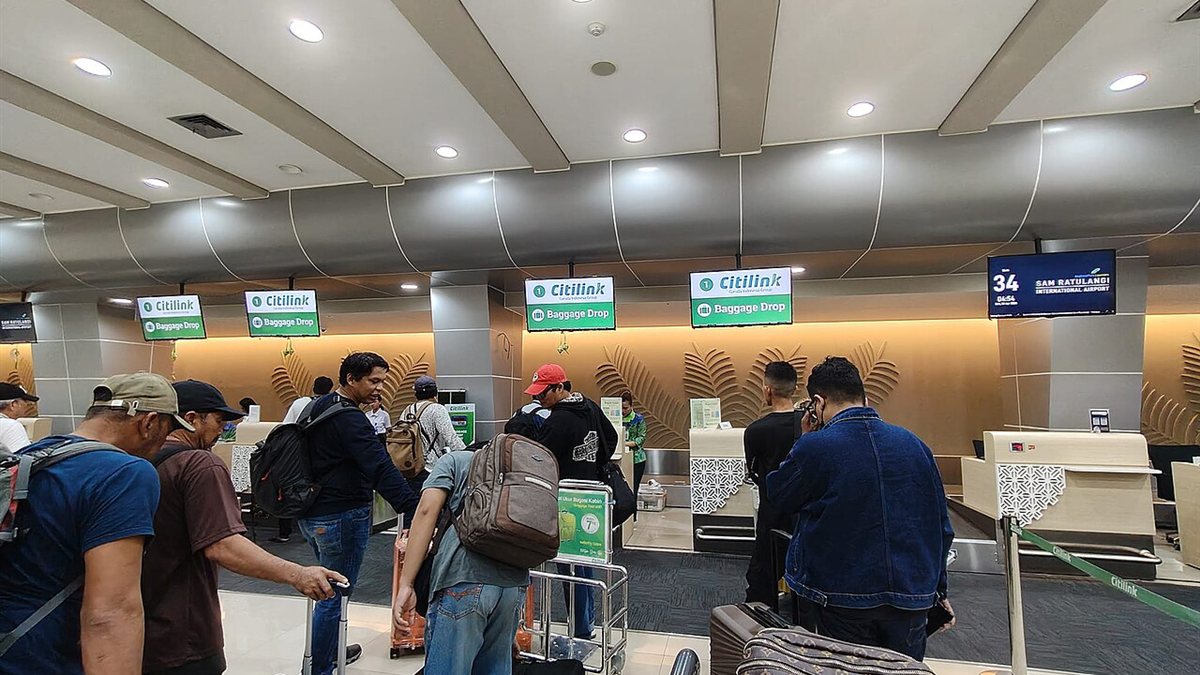
  • Aluminum Foil Catering Trays: Fit, Lids and Reheating Tests
    Aluminum Foil Catering Trays: Fit, Lids and Reheating Tests
    Oct 10, 2026
    Buying custom lidded aluminum foil catering trays requires more than matching a catalogue size. Confirm rim fit, food compatibility, heating conditions and batch controls before approving bulk supply. A tray that closes neatly while empty can behave differently after a dense meal is filled, chilled, transported and reheated. For airline and rail caterers, the useful purchasing question is not simply whether aluminum tolerates heat. It is whether the complete package works with the actual menu, lid, handling sequence and approved equipment. This guide turns those variables into a sample-approval plan, without assuming one tray or heating cycle suits every programme. Define aluminum foil meal containers for airline catering around the workflow Begin with a short process map: portioning, closing, chilling or freezing, transport, loading, reheating and passenger service. Identify the longest holding period, the heaviest portion and the most demanding menu item. A dry rice dish and an acidic, salty sauce should not be treated as equivalent contact conditions. Tell the supplier which surfaces touch food and whether the package will experience repeated temperature changes. Allocate responsibilities before ordering. The packaging supplier should define its proposed construction and limitations. The caterer should supply the intended food and operating conditions. The equipment operator should confirm that the selected container and lid are permitted in the heating system. The approval record should bring these decisions together; an attractive sample or a broad oven-ready description is not a substitute. Separate outside dimensions from usable capacity XHANCO’s Model 380-23 foil food container, item XH-AF-380-23-001, provides one reference format. The product page lists an outer size of 159 × 102 × 30 mm, 0.085 mm foil, approximately 5.75 g per unit and standard packing of 1,000 pieces per carton. These are catalogue specifications for that item, not proof of capacity or suitability for every meal. For 159 x 102 x 30 mm foil food containers, request a drawing that identifies the measurement points, rim profile and agreed tolerances. Do not calculate practical meal volume by multiplying outside dimensions: sloping walls, corners, the rim and the required headspace change usable capacity. Fill a sample with the actual portion and check that the lid closes without touching or compressing the food. Test the filled tray in its secondary meal tray, rack or trolley location. Include finger clearance for removal and the maximum loaded stack, not only an isolated empty container. If a dimension changes during OEM development, repeat the relevant fit checks rather than assuming the existing lid and equipment remain compatible. Approve the container and lid as one package Specify the closure method explicitly: a crimped foil lid, a board lid, a dome or another proposed system. Ask for the exact mating rim geometry and the materials of any food-facing coating or adhesive. Do not assume a lid sold for a similar size fits correctly. If the closure is machine-applied, record machine settings and inspect samples from a representative trial. Assess containment during the expected handling sequence. Carry filled samples, load and unload the rack, and check for loose lids, distorted rims, sharp edges, staining and spill paths. Define an acceptance criterion appropriate to the food and service route. A visual lid-fit check does not establish a hermetic seal, and a simple spill trial does not establish microbiological shelf life. Any sealing or shelf-life claim needs its own justified validation. Review the food-contact conditions before the heating trial Identify acidic ingredients, salt, oil, moisture and the contact period from filling to consumption. Ask the supplier to review whether the proposed aluminum surface or a coating is appropriate for that combination. Obtain supporting information for the specific construction and destination market, including the intended conditions of use and any restrictions. A report for another coating, gauge or application should not silently become the evidence for the purchased item. The FDA food-type and conditions-of-use tables illustrate why food composition and processing conditions belong in the purchasing brief: refrigerated storage and reheating in the container are distinct use descriptions. The tables are a reference for food-contact substance notifications, not an FDA approval of this tray, and they do not replace the requirements of the destination market. Run a documented reheating and holding trial Use only equipment and procedures whose manufacturer or responsible operator permits the proposed aluminum container and lid. Do not assume microwave compatibility. Start from the caterer’s approved food-safety process; the packaging trial must not invent a cooking schedule or substitute a surface temperature for the required food-temperature validation. Record the sample revision, food identity and portion weight, starting condition, rack position, load arrangement, equipment identifier, heating cycle and post-heating holding period. Examine the package at the stages where it is actually handled. Look for distortion, rim opening, coating changes, lid movement, sticking and loss of safe handling access. Where measurements are required, use a defined method and calibrated equipment under the responsible team’s control. Choose representative worst-case conditions with the caterer rather than selecting whichever meal gives the best-looking result. Keep failed samples and observations as well as passing results. Change one variable at a time when resolving a problem, then repeat the affected tests. A successful trial establishes evidence only for the documented combination and conditions; it is not a universal temperature or menu guarantee. Make OEM approval and incoming inspection repeatable For OEM/ODM discussions, separate essential requirements from preferences. Essential items may include fit with an existing rack, an approved closure and a minimum portion requirement. Preferences may include embossing, carton presentation or a different profile. Ask which changes affect tooling, sampling and the production schedule, and obtain written confirmation rather than carrying over commercial terms from another product. Approve a controlled specification, drawing, lid reference, packing instruction and retained sample together. Agree an inspection plan before production: dimension checks, rim condition, surface cleanliness, unit weight where relevant, lid compatibility and carton counts. Set the sampling method and acceptance limits with the supplier; do not insert an arbitrary AQL value that neither party has approved. The quality-control overview is a useful starting discussion, not evidence that a particular shipment has passed. At receipt, check batch identification and compare delivered goods against the approved version. Quarantine unexplained substitutions until reviewed. A changed lid, coating, tool or foil specification may require renewed fit or application testing even when the commercial product name stays the same. Send an RFQ that can become an approval record Include the reference model or drawing; portion dimensions and weight; food type; contact and storage conditions; approved heating equipment; lid and closing method; customization; first-order and forecast quantities; carton requirements; destination; and required arrival date. Ask the quotation to state MOQ, the lead-time starting point, document availability and any excluded applications. Catalogue figures are a starting point, while the final written quotation governs the proposed order. To discuss samples and a specification-based proposal, send XHANCO your meal-service requirements. A complete brief helps the supplier assess the package as a working system rather than quote a tray from a photograph alone. Cover photograph: El-Al meal, ProtoplasmaKid / Wikimedia Commons / CC BY-SA 4.0. Resized to 1200 × 803 pixels without cropping or content alteration; this resized image remains under CC BY-SA 4.0. Historical application photograph, not an XHANCO product, customer reference or endorsement. Content contact: Peter, CEOPublisher: XHANCO - Guangdong Xinghan Industrial Co., Ltd.For product specifications, sample planning and company enquiries, contact XHANCO.  
    Read More

1 2

Leave A Message

Leave A Message
If you are interested in our products and want to know more details, please leave a message here, we will reply you as soon as we can.
submit
Contact us:sales@xhanco.com

Home

Products

WhatsApp

contact