Aluminum Foil Catering Trays: Fit, Lids and Reheating Tests
Oct 10, 2026
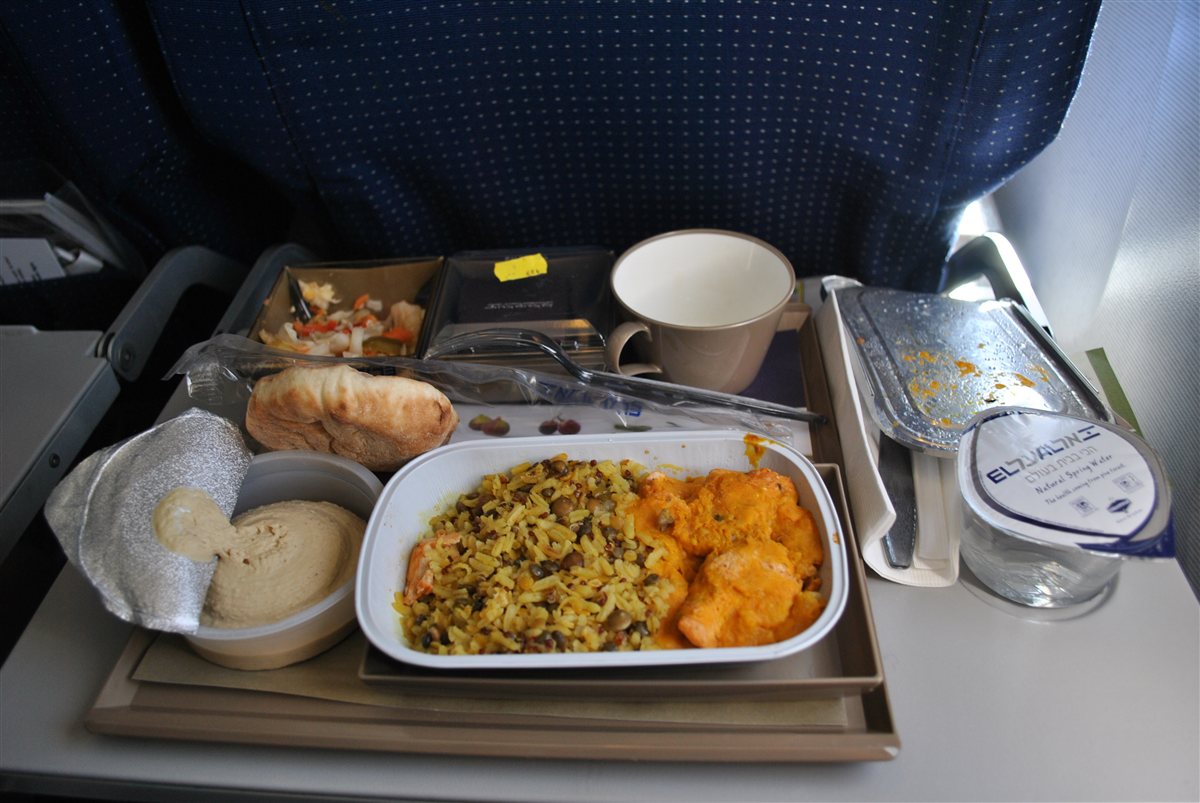
Buying custom lidded aluminum foil catering trays requires more than matching a catalogue size. Confirm rim fit, food compatibility, heating conditions and batch controls before approving bulk supply. A tray that closes neatly while empty can behave differently after a dense meal is filled, chilled, transported and reheated. For airline and rail caterers, the useful purchasing question is not simply whether aluminum tolerates heat. It is whether the complete package works with the actual menu, lid, handling sequence and approved equipment. This guide turns those variables into a sample-approval plan, without assuming one tray or heating cycle suits every programme. Define aluminum foil meal containers for airline catering around the workflow Begin with a short process map: portioning, closing, chilling or freezing, transport, loading, reheating and passenger service. Identify the longest holding period, the heaviest portion and the most demanding menu item. A dry rice dish and an acidic, salty sauce should not be treated as equivalent contact conditions. Tell the supplier which surfaces touch food and whether the package will experience repeated temperature changes. Allocate responsibilities before ordering. The packaging supplier should define its proposed construction and limitations. The caterer should supply the intended food and operating conditions. The equipment operator should confirm that the selected container and lid are permitted in the heating system. The approval record should bring these decisions together; an attractive sample or a broad oven-ready description is not a substitute. Separate outside dimensions from usable capacity XHANCO’s Model 380-23 foil food container, item XH-AF-380-23-001, provides one reference format. The product page lists an outer size of 159 × 102 × 30 mm, 0.085 mm foil, approximately 5.75 g per unit and standard packing of 1,000 pieces per carton. These are catalogue specifications for that item, not proof of capacity or suitability for every meal. For 159 x 102 x 30 mm foil food containers, request a drawing that identifies the measurement points, rim profile and agreed tolerances. Do not calculate practical meal volume by multiplying outside dimensions: sloping walls, corners, the rim and the required headspace change usable capacity. Fill a sample with the actual portion and check that the lid closes without touching or compressing the food. Test the filled tray in its secondary meal tray, rack or trolley location. Include finger clearance for removal and the maximum loaded stack, not only an isolated empty container. If a dimension changes during OEM development, repeat the relevant fit checks rather than assuming the existing lid and equipment remain compatible. Approve the container and lid as one package Specify the closure method explicitly: a crimped foil lid, a board lid, a dome or another proposed system. Ask for the exact mating rim geometry and the materials of any food-facing coating or adhesive. Do not assume a lid sold for a similar size fits correctly. If the closure is machine-applied, record machine settings and inspect samples from a representative trial. Assess containment during the expected handling sequence. Carry filled samples, load and unload the rack, and check for loose lids, distorted rims, sharp edges, staining and spill paths. Define an acceptance criterion appropriate to the food and service route. A visual lid-fit check does not establish a hermetic seal, and a simple spill trial does not establish microbiological shelf life. Any sealing or shelf-life claim needs its own justified validation. Review the food-contact conditions before the heating trial Identify acidic ingredients, salt, oil, moisture and the contact period from filling to consumption. Ask the supplier to review whether the proposed aluminum surface or a coating is appropriate for that combination. Obtain supporting information for the specific construction and destination market, including the intended conditions of use and any restrictions. A report for another coating, gauge or application should not silently become the evidence for the purchased item. The FDA food-type and conditions-of-use tables illustrate why food composition and processing conditions belong in the purchasing brief: refrigerated storage and reheating in the container are distinct use descriptions. The tables are a reference for food-contact substance notifications, not an FDA approval of this tray, and they do not replace the requirements of the destination market. Run a documented reheating and holding trial Use only equipment and procedures whose manufacturer or responsible operator permits the proposed aluminum container and lid. Do not assume microwave compatibility. Start from the caterer’s approved food-safety process; the packaging trial must not invent a cooking schedule or substitute a surface temperature for the required food-temperature validation. Record the sample revision, food identity and portion weight, starting condition, rack position, load arrangement, equipment identifier, heating cycle and post-heating holding period. Examine the package at the stages where it is actually handled. Look for distortion, rim opening, coating changes, lid movement, sticking and loss of safe handling access. Where measurements are required, use a defined method and calibrated equipment under the responsible team’s control. Choose representative worst-case conditions with the caterer rather than selecting whichever meal gives the best-looking result. Keep failed samples and observations as well as passing results. Change one variable at a time when resolving a problem, then repeat the affected tests. A successful trial establishes evidence only for the documented combination and conditions; it is not a universal temperature or menu guarantee. Make OEM approval and incoming inspection repeatable For OEM/ODM discussions, separate essential requirements from preferences. Essential items may include fit with an existing rack, an approved closure and a minimum portion requirement. Preferences may include embossing, carton presentation or a different profile. Ask which changes affect tooling, sampling and the production schedule, and obtain written confirmation rather than carrying over commercial terms from another product. Approve a controlled specification, drawing, lid reference, packing instruction and retained sample together. Agree an inspection plan before production: dimension checks, rim condition, surface cleanliness, unit weight where relevant, lid compatibility and carton counts. Set the sampling method and acceptance limits with the supplier; do not insert an arbitrary AQL value that neither party has approved. The quality-control overview is a useful starting discussion, not evidence that a particular shipment has passed. At receipt, check batch identification and compare delivered goods against the approved version. Quarantine unexplained substitutions until reviewed. A changed lid, coating, tool or foil specification may require renewed fit or application testing even when the commercial product name stays the same. Send an RFQ that can become an approval record Include the reference model or drawing; portion dimensions and weight; food type; contact and storage conditions; approved heating equipment; lid and closing method; customization; first-order and forecast quantities; carton requirements; destination; and required arrival date. Ask the quotation to state MOQ, the lead-time starting point, document availability and any excluded applications. Catalogue figures are a starting point, while the final written quotation governs the proposed order. To discuss samples and a specification-based proposal, send XHANCO your meal-service requirements. A complete brief helps the supplier assess the package as a working system rather than quote a tray from a photograph alone. Cover photograph: El-Al meal, ProtoplasmaKid / Wikimedia Commons / CC BY-SA 4.0. Resized to 1200 × 803 pixels without cropping or content alteration; this resized image remains under CC BY-SA 4.0. Historical application photograph, not an XHANCO product, customer reference or endorsement. Content contact: Peter, CEOPublisher: XHANCO - Guangdong Xinghan Industrial Co., Ltd.For product specifications, sample planning and company enquiries, contact XHANCO.
Read More