Thermal Boarding Pass Black Marks and Perforations: Drawing and Registration Control
Oct 10, 2026
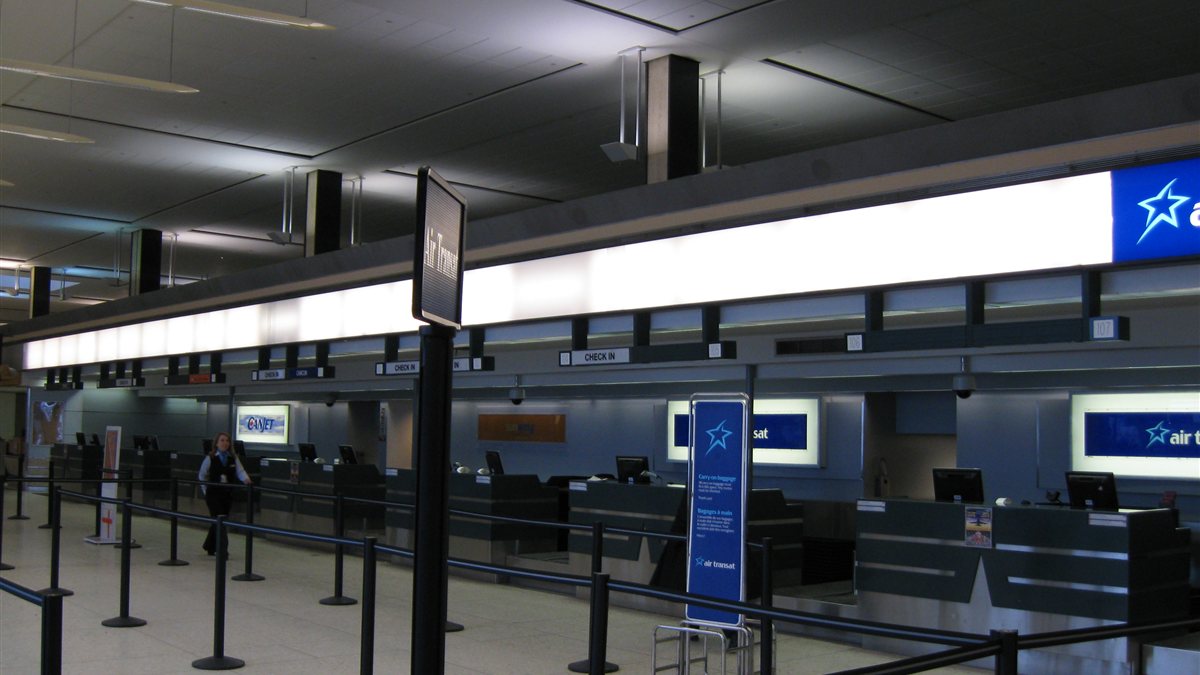
Custom boarding pass perforation and black mark printing should be controlled by one drawing, with defined datums, feed direction and acceptance checks. A ticket can have the correct overall size and still stop at the wrong position, cut through a printed field or tear unpredictably. These failures are not resolved by a higher grammage alone. They require the artwork, media sensor, perforation and feed path to agree on where each ticket begins and ends. This guide focuses on conversion geometry and registration control. It complements, rather than repeats, the general boarding-pass procurement checklist. The proposed checks are engineering and purchasing recommendations; final dimensions and limits must come from the operator’s equipment and approved specification. Start with the printer’s reference system Before drawing a sensor mark, identify how the installed printer detects the media. A reflective black-mark arrangement, a gap sensor and a mechanically defined ticket path do not use the same reference. Obtain the equipment documentation and the required media presentation from the airport or its printer service provider. Do not add a mark merely because an old sample has one. Choose a drawing datum that the converter can measure and the equipment team can recognize. State the leading edge, feed direction and the face presented to the printhead. Label front and reverse consistently; an unqualified note saying “black mark on back” is easy to misread when the stock is loaded differently. Also define the unit of repeat. Depending on the ordered format, it may be a single card, a repeating continuous ticket or a fanfold pitch. A dimension without a clear repeat reference does not establish where the next image should begin. Confirm the supplied format rather than assuming that every boarding-pass printer takes rolls or fanfold stock. Thermal boarding passes with black sensor marks A black-mark drawing should state mark width and length, position from the reference edges, repeat pitch, print face and the allowable unprinted areas around it. The sensor’s view of the mark must be evaluated independently from the passenger-facing design. A decorative dark panel can become a false signal if it crosses the same sensing path. Agree how mark position and optical response will be checked. The required contrast and detection threshold belong to the selected sensor and stock combination; this guide does not supply a universal numerical value. A mark that looks black to the eye can behave differently under the sensor’s illumination or behind a surface coating. Print a conversion trial with the intended background artwork, reverse printing and finishing. Measure the mark relative to the drawing datum, then run the stock through the actual device. Inspect the start position of the variable image, not only whether the printer advances. Check repeated tickets for cumulative registration drift as well as isolated errors. Specify the detachable stub as a controlled feature For perforated airline boarding pass card stock, show the perforation position from a defined edge, its orientation relative to feed, and its relationship to the passenger and agent portions. Include any required clearance from variable text, barcode boundaries, cutter positions and sensor marks. The stub should separate according to the approved workflow without damaging the retained machine-readable section. A conversion instruction should identify the perforation pattern or tool reference and the agreed separation requirement. Do not invent a tear-force number without an approved method. Specify the direction and manner of testing, the conditioning of samples and how a torn edge or premature break will be judged. Assess more than a single hand-torn sample. Check media handling before issue, transport through the printer, normal passenger handling and the final separation action. A perforation can be easy to tear yet too weak for the feed path, or strong enough for feeding but awkward at the gate. The acceptable balance is application-specific. Control the relationship between artwork and conversion Place the static artwork, thermal imaging window, sensor mark, perforation and trim outline on one controlled dieline. Separate layers are helpful, but they must share the same origin and revision. An artwork proof and a tooling drawing prepared from different reference edges can each look correct while describing incompatible positions. Review the stack of positional variations rather than treating every tolerance independently. Print-to-trim variation, perforation position and the printer’s image registration all affect the final clearance around important information. The buyer and converter should evaluate the combined result on representative output; simply copying narrow tolerances from another ticket is not a substitute. IATA’s public BCBP implementation guide addresses boarding-pass barcode implementation. It should not be treated as a converter’s approved dieline or a certificate for one physical stock format. Keep the airline’s current layout requirements and the equipment media drawing in the approval package. Approve a repeatable conversion sample XHANCO’s XH-BP-203-190-001 listing describes 190 gsm stock, a 203.2 × 82.55 mm format, a detachable stub and customization of perforation position and black mark. These are available specification elements, not evidence that every combination has been validated on every airport device. For sample approval, retain a marked drawing and representative cards showing the accepted artwork, print face and loading orientation. Record measured dimensions, mark detection, image start position, separation result and any feed exceptions. Set the number and distribution of samples with the responsible quality team; no universal sample quantity is asserted here. Link the accepted sample to the quotation, drawing revision and product-specific inspection requirements. At reorder, review changes to paper grade, print finishing, conversion tool and equipment configuration. A previously accepted design is a reference, not permission to substitute an unreviewed construction. Questions to resolve before the quotation Does every boarding pass need a black mark? No assumption should be made. The installed sensing system and media requirements determine whether a mark is needed. Can the stub position be copied from a sample? A sample helps, but measurements and the actual workflow should be translated into an approved drawing and acceptance criteria. What should purchasing send? Provide the equipment model, stock presentation, feed direction, media drawing, artwork layers, sensor requirements, stub workflow, quantities and packing needs. Use XHANCO’s existing quotation entry and reference the model so the requested configuration can be reviewed without assuming undocumented compatibility. Cover: historical airport check-in area (2010), by Ohyeh, Wikimedia Commons. Photo licensed CC BY-SA 3.0; cropped and resized, with this photo adaptation shared under the same license. Illustrative, not a XHANCO conversion trial, customer or installation. Content contact: Peter, CEOPublisher: XHANCO - Guangdong Xinghan Industrial Co., Ltd.For product specifications, sample planning and company enquiries, contact XHANCO.
Read More