Email : sales@xhanco.com
Phone : +8619200177033
Sustainability has moved from aspiration to procurement requirement in aviation catering. As airlines, caterers and airport operators lock in their 2026 supply programmes, compostable packaging is no longer a pilot-project option — it is the baseline specification for meal service, cabin hygiene and ground operations. Getting the material choice right is now a commercial decision, not a marketing one.
The regulatory direction is unmistakable. The EU Packaging and Packaging Waste Regulation (PPWR) applies from August 2026 with PFAS restrictions and recyclability requirements, and further single-use plastic formats are banned from 2030. Across Asia-Pacific, expanded bans on EPS (styrofoam) tableware and plastic straws are already in force, while China’s plastic pollution control plan continues to push degradable alternatives into hotels, foodservice and transport.
For airlines the exposure is direct. Meal boxes, cutlery kits, cups, lids, tray liners, waste bags and hygiene wipes all sit inside the scope of these rules. A single non-compliant item in a catering uplift can trigger audit findings, fines or tender disqualification in regulated markets. That is why procurement teams are moving from best-effort eco options to documented, certified compostable materials with certificates that match the destination market — not the supplier’s brochure.
The practical consequence: buyers now weight material certification, batch consistency and traceability as heavily as unit price.
Biodegradable packaging is not one material. PLA and PBAT behave very differently, and specifying the wrong one creates failures in service.
Rule of thumb: specify PLA where rigidity matters, PBAT blends where flexibility and puncture resistance matter, and confirm the compostability certificate against the destination market before you commit volume.
XHANCO supplies airlines, catering kitchens, hotels and foodservice brands from a single qualified source covering cabin supplies, foodservice packaging, hygiene products, security seals and print materials. That consolidation matters: one quality system, one audit trail, one logistics channel instead of five.
Certified compostable materials are backed by documented certificates and batch traceability, and every programme runs through a structured OEM/ODM workflow — requirement mapping, digital proof, physical sample approval and a written acceptance standard that governs every repeat order. It is how airlines avoid quality drift between the first shipment and the tenth.
If your 2026 programme includes compostable meal packaging, cutlery kits or cabin consumables, send your specification and annual volume. Our team returns pricing, MOQ, sampling plan and lead time — usually within one business day.
Timelines matter as much as rules. Airline catering contracts typically run 24–36 months, which means packaging specified today will still be in service when the next wave of restrictions lands. Buyers who wait for enforcement dates are forced into emergency substitution at premium cost and with unproven materials.
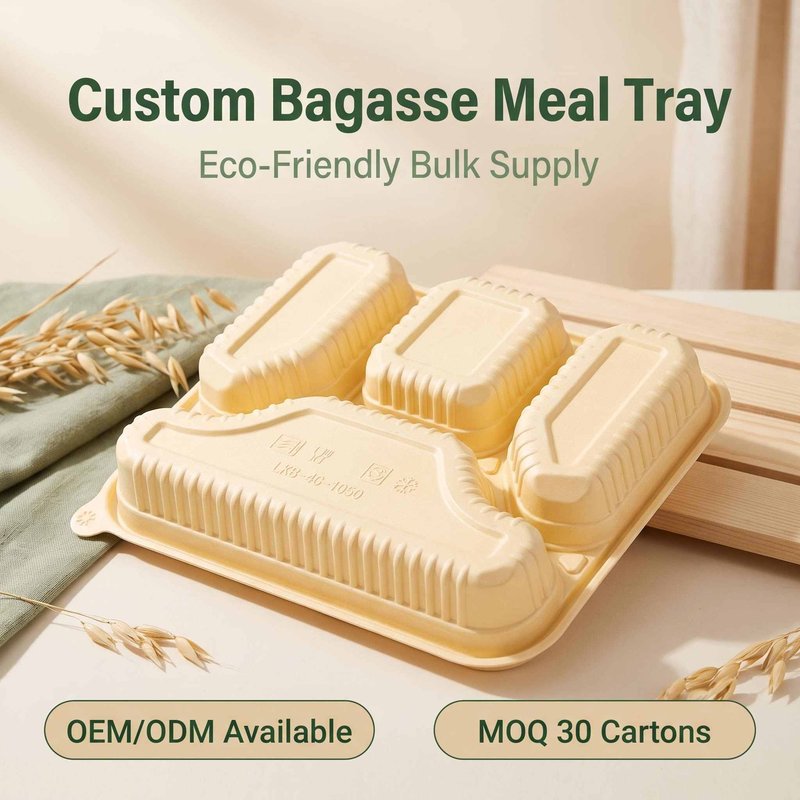
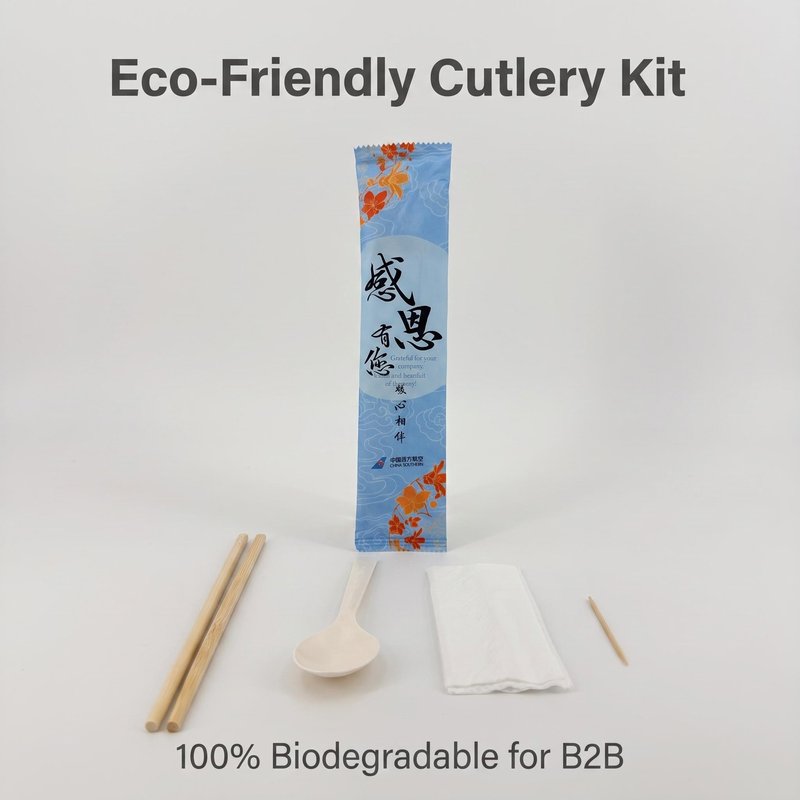
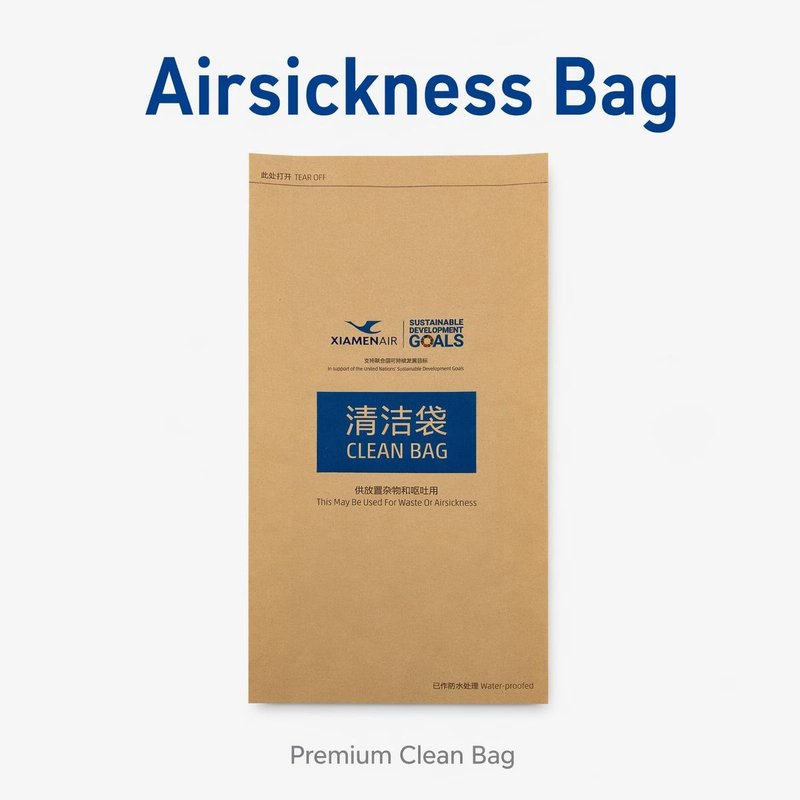
In aviation service the split is pragmatic: PLA cutlery kits and cold-drink cups, PBAT-blend waste and laundry bags, paperboard meal boxes with compostable coatings, and bagasse trays for hot meals. Each item carries its own certificate, and a good specification names the standard, not just the material.
Email :sales@xhanco.com
Tel :+8619200177033
Whatsapp : +8619200177033
4th Floor, Building E, No. 5 Xinhe South Road, Baishui Village, Ningxi Street, Zengcheng District, Guangzhou (Factory A5), China


Leave A Message
Scan To Wechat :

Scan To WhatsApp :


 Product categories