Biodegradable food packaging is not one material but a family of materials with different properties, certifications and cost structures. Choosing correctly in 2026 means matching the material to the product, the service temperature and the destination market's standards.
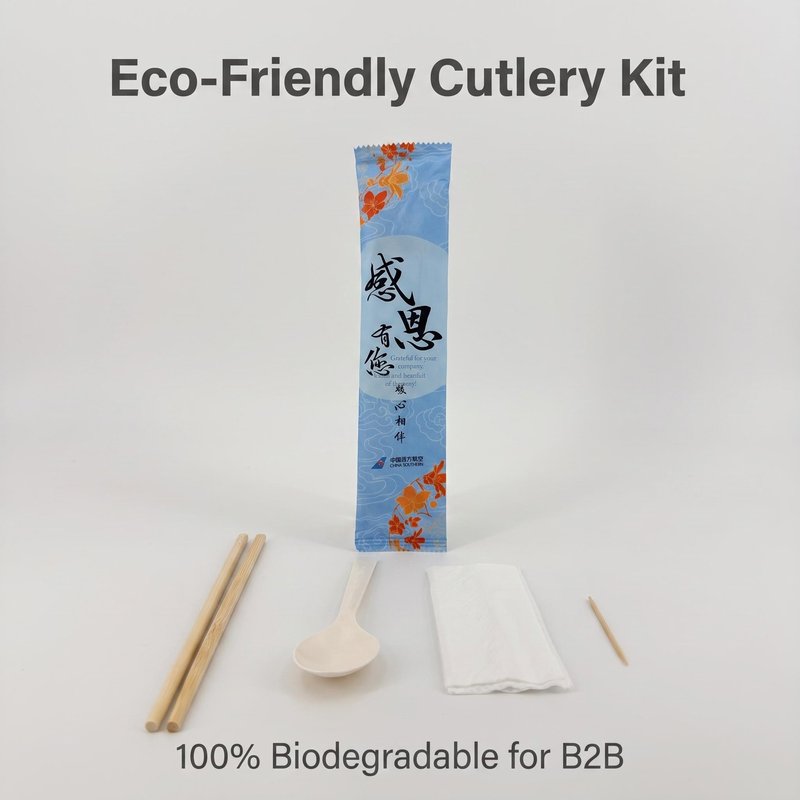
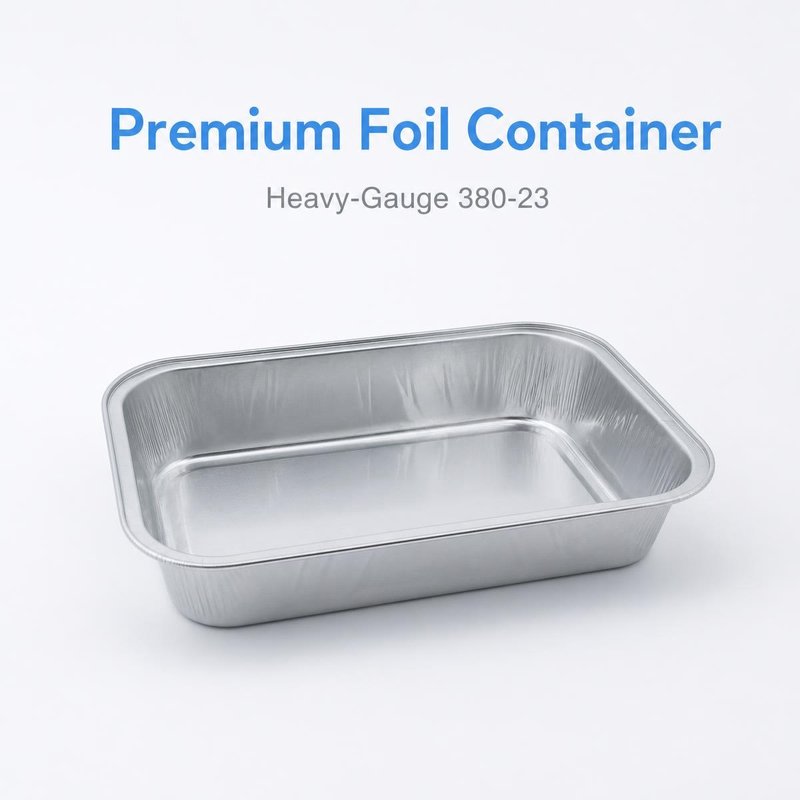
For cutlery and cups, specify PLA with documented compostability. For carrier bags and self-adhesive packaging, PLA/PBAT blends give the durability daily use requires. For meal trays that must move from freezer through oven to service, bagasse is the practical choice. In every case, verify the certificate matches the destination market's standard - not just the supplier's description.
Source: based on 2026 market data for PLA and PBAT capacity and pricing (GEP Research); material characteristics per industry certification standards
Email :sales@xhanco.com
Tel :+8619200177033
Whatsapp : +8619200177033
4th Floor, Building E, No. 5 Xinhe South Road, Baishui Village, Ningxi Street, Zengcheng District, Guangzhou (Factory A5), China


Leave A Message
Scan To Wechat :

Scan To WhatsApp :


 Product categories