Email : sales@xhanco.com
Phone : +8619129236778
Published 8 October 2026. UK packaging buyers have a practical planning task: the government has published its recyclability assessment methodology for the 2027 reporting year, while the current 2026 year still uses RAM version 1.1. The distinction matters when a catering pack combines a tray, lid, sleeve, label or flexible wrapper. A supplier’s claim that a material is “recyclable” is not enough to establish the rating of the complete packaging item.
Under UK extended producer responsibility (EPR) for packaging, obligated large producers assess relevant household packaging and report recyclability data. The government says RAM version 1.1 applies to the 2026 reporting year, from 1 January to 31 December 2026. Its separately published RAM 2027 guidance applies to the reporting year beginning 1 January 2027. Buyers should therefore keep their 2026 submissions aligned with the current method, while obtaining the technical data needed for the next method now. The 2027 publication is a forward planning document, not a reason to retrospectively relabel 2026 packaging.
The legal duty depends on the producer’s role, size and packaging stream. Not every airline, caterer, importer or overseas manufacturer has the same reporting obligation. The UK government’s current RAM overview says the assessment concerns specified packaging, including household packaging and packaging commonly disposed of in public bins. It also directs producers who lack material details to contact the packaging manufacturer. Procurement teams should confirm their own EPR position with their compliance advisers, then ask suppliers for component-level evidence rather than a general sustainability statement.
The 2027 materials guidance calls for the correct material category, separate assessment of components where appropriate, and examination of collection, sorting, reprocessing and end-market application. A green result at one stage alone does not produce an overall green rating. It also says insufficient evidence for an amber or green rating leads to a red outcome. These rules make the bill of materials, component weights and intended separation behaviour commercially important.
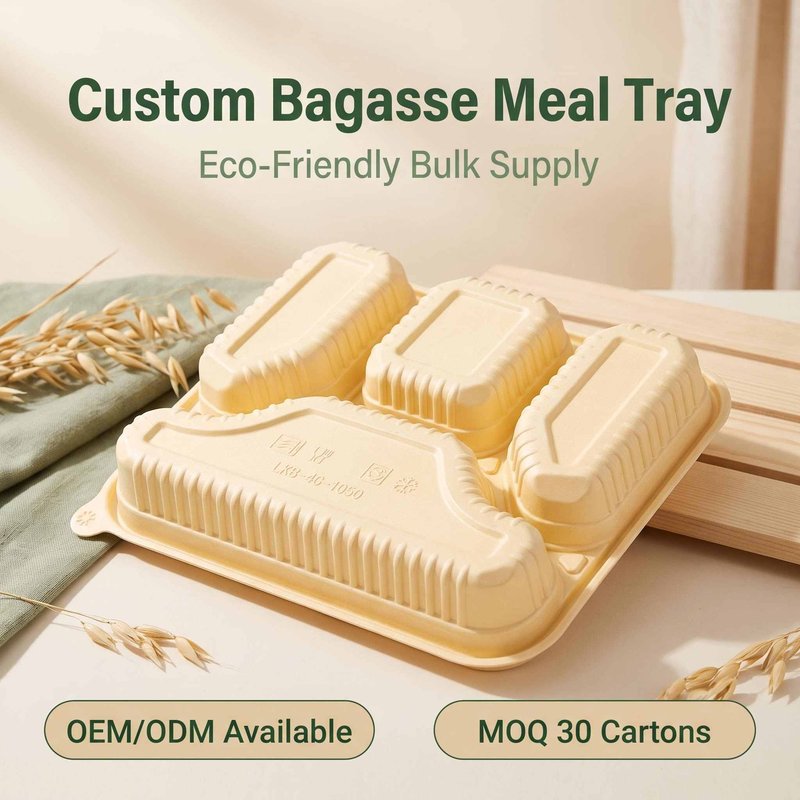
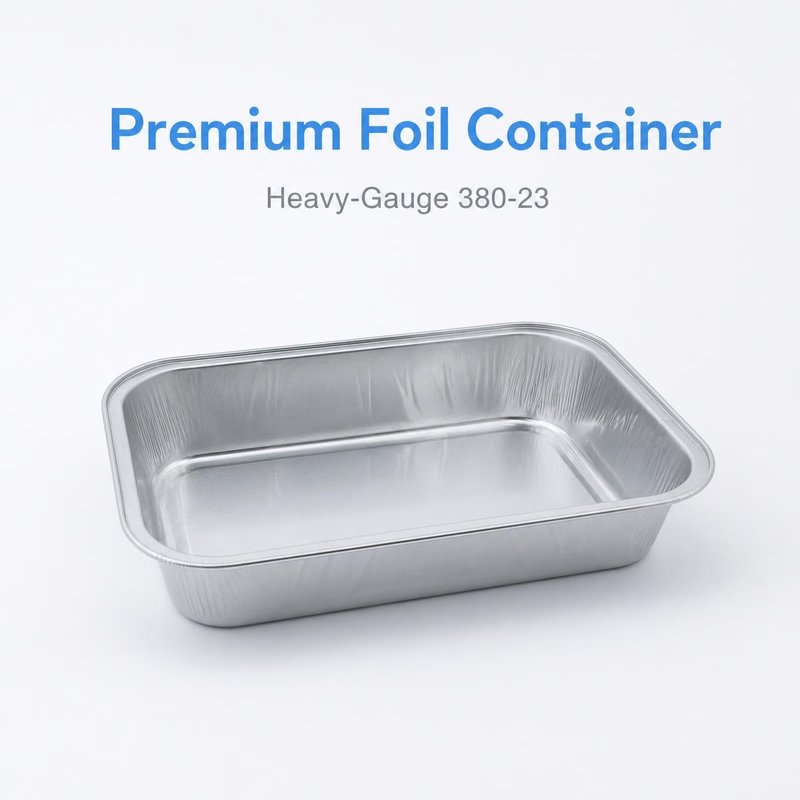
Consider a polypropylene airline meal container with a clear lid. Buyers need to establish the polymer of each part, whether the lid is intended to be removed, each component’s weight and dimensions, any printed or adhesive elements, and the relevant collection pathway. A PP base does not automatically make the entire pack recyclable, and a clear lid cannot be assumed to have the same rating as the base. The assessment must reflect the actual supplied construction and UK method.
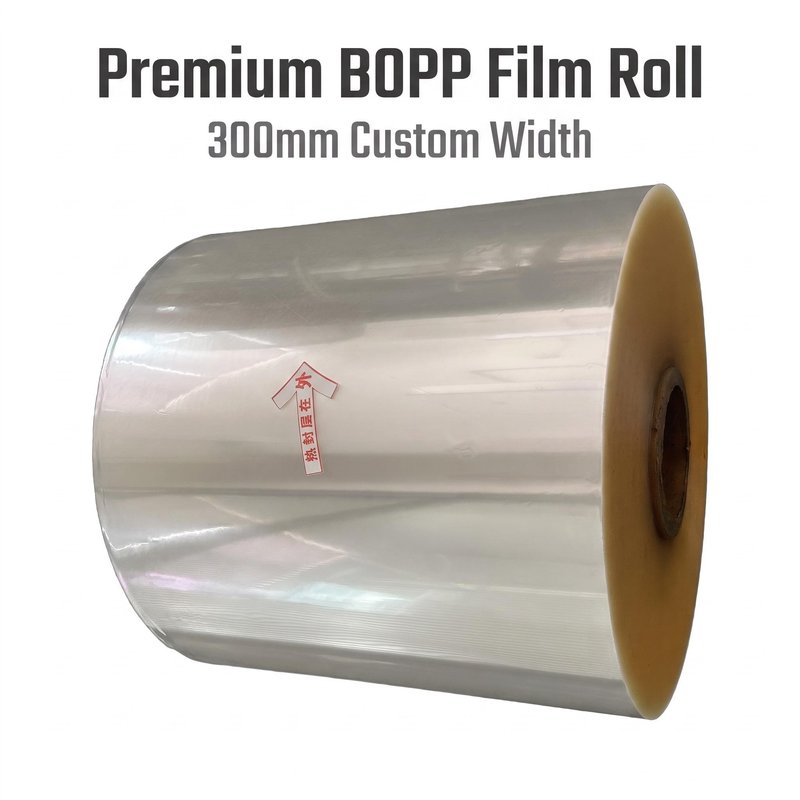
A second example is a snack wrapper made from custom BOPP heat-seal film. The finished pack may have coatings, inks, adhesives, metallisation or additional layers that are not apparent from the term “BOPP”. Buyers should document the final film structure and pack format, not infer a RAM rating from the base polymer or a supplier brochure. Food-contact suitability is a separate question from recyclability: evidence for one does not prove the other.
The official 2027 materials assessment guidance contains the detailed criteria and evidence requirements. It is the primary reference for a UK assessment; a packaging supplier can provide technical inputs but should not substitute for the obligated producer’s compliance decision.
Prioritise high-volume formats and those with multiple materials or coatings. For each SKU, create a one-page record of the pack as sold, its component breakdown, 2026 assessment status, and open 2027 evidence gaps. Then compare design options against shelf-life, seal integrity, food-contact, handling and operational requirements before changing materials. A nominally simpler structure that fails in transport or service is not an effective procurement decision.
XHANCO can discuss specification options for airline meal containers and flexible packaging and provide product information for a buyer-led assessment. For a material or format review, contact the team with the current pack drawing, end-use and target market. No product-specific UK RAM rating is asserted here; it must be established for the final packaging and applicable reporting year.
Cover: illustrative photograph of packaging waste at a UK recycling facility, not an XHANCO site. Photo: John Cameron / Unsplash.
Email :sales@xhanco.com
Email :Sales@xhanaero.com
Tel :+8619129236778
Whatsapp : +8619129236778
4/F, Building E, No. 5 Xinhe South Road, Zengcheng District, Guangzhou, China


Leave A Message
Scan To Wechat :

Scan To WhatsApp :


 Product categories