How to Specify 300 mm BOPP Heat-Seal Film for Airline Snack Packs
Oct 08, 2026
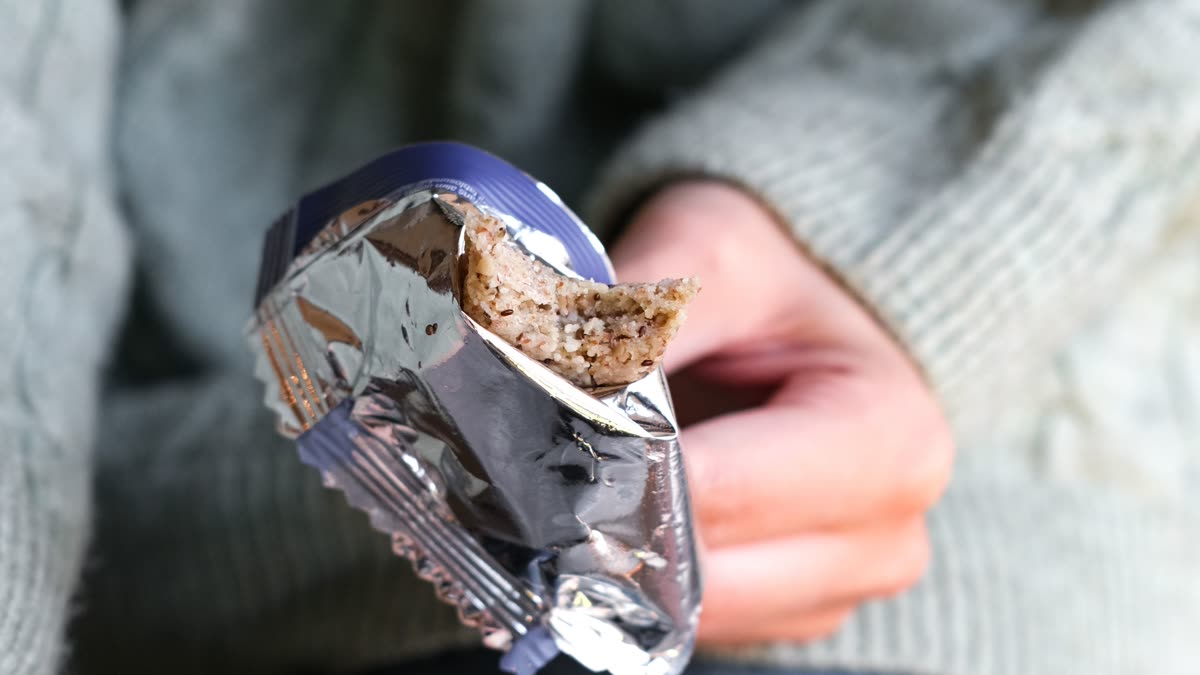
Buying film by width and thickness alone is a common source of avoidable line-trial failures. A 300 mm BOPP heat-seal film for airline snack packs must work with the product, forming equipment, seal settings, print artwork and the destination market’s food-contact requirements. This guide turns those variables into an approval brief that buyers and converters can test together. Start with the finished pack and the machine Define the snack’s dimensions, shape, target pack length, desired shelf presentation and whether the film will be used on a vertical or horizontal form-fill-seal line. The nominal roll width is not necessarily the usable forming width: lap or fin seals, edge trim and machine geometry consume part of the web. Ask the equipment team for the former or collar dimensions, seal configuration, maximum reel diameter, core size, unwind direction, registration mark position and acceptable winding tension before approving a roll. A 300 mm specification is a starting point for a trial, not a guarantee that every 300 mm web will run on a given line. Compare the machine drawing with a physical sample and confirm where the back seal and end seals land. On small airline snack packs, a few millimetres can change the finished pack’s appearance, usable volume and seal reliability. Define the film structure and food-contact evidence The XHANCO 300 mm BOPP heat-seal film product page describes a BOPP base film, nominal 30-micron thickness and a single-side heat-seal coating. Treat those as product-page specifications to confirm on the actual quotation and sample. A 30-micron food-contact BOPP film roll still needs a complete specification: thickness tolerance, coated side, heat-seal initiation behaviour, coefficient of friction, transparency or haze, printability, and any barrier or shelf-life targets relevant to the food. BOPP describes the oriented polypropylene substrate; it does not, by itself, establish whether the finished printed or coated structure is suitable for a specific food, temperature, contact duration or country. Request the applicable declaration and supporting test documents for the final construction, including coatings, inks and adhesives where used. The European Commission’s food-contact materials legislation overview and the US FDA guidance on determining the regulatory status of food-contact components explain why market and component details matter. They do not certify any particular XHANCO film. Test a usable seal window, not one attractive sample On the production line, record jaw temperature, dwell time, pressure and line speed for each trial. Test seal strength or peel behaviour at the low, middle and high ends of the practical operating window. Inspect the back seal, end seals and folds; check for channels, wrinkles, burn-through, poor registration and seal contamination from crumbs or oils. A pack that seals perfectly at slow trial speed may fail at normal throughput. Agree in advance on a test protocol and acceptance limits. Useful checks include thickness and width measurements across the roll, reel edge quality, seal strength, visual defects, ink rub resistance when printed, barcode readability where applicable, and pack integrity after handling. For airline or catering distribution, simulate the actual filling, packing, transport and service conditions rather than assuming that a generic laboratory result predicts performance. Record the product, machine, operator, settings and sample lot so that a successful run can be repeated. Prepare OEM/ODM artwork and conversion details early If brand printing is required, send a dieline, colour references, artwork files, legal text, barcode position and intended print orientation before cylinders or plates are approved. Confirm whether printing changes the film structure, lead time or food-contact documentation. A custom-width BOPP film for flow-wrap machines may also need a specified roll length, core diameter, winding direction and splice policy. These are production inputs, not cosmetic details. For multi-airline or multi-market programmes, use version control for artwork and claims. Keep the approved sample, signed specification and latest packaging files together. If the food formula, filling process, coating, ink set or destination market changes, reassess the packaging rather than relying on the previous approval. Storage and transport can be part of the approval protocol too. Before committing to repeat orders, ask how rolls are wrapped, labelled and protected from dust, heat and mechanical damage. Define an agreed storage range, stock-rotation method and maximum time between conversion and packing where relevant. When a complaint occurs, the reel label and batch record should identify the film lot, coating or print revision and dispatch date. This traceability allows both sides to isolate a problem without rejecting unaffected stock. The purchase specification should state which measurements are checked on every lot and which tests are repeated only after a material or process change. Buyer–factory approval checklist Share the product dimensions, fill weight, pack drawing and target shelf-life or protection needs. Provide the exact packaging-line model, former dimensions, seal style, line speed and reel constraints. Agree on nominal width, gauge and tolerances; confirm the coated side and winding direction. Define print artwork, registration marks, colour targets and barcode verification. Request the food-contact documentation relevant to the finished structure and destination market. Run a line trial across an agreed temperature, dwell and speed range. Record seal-integrity, visual-quality and handling-test results against written acceptance criteria. Approve a retained sample and revision-controlled specification before volume ordering. Discuss the specification with XHANCO Use the existing 300 mm BOPP heat-seal film listing as a reference, then send the equipment drawing, intended food, target market and required reel configuration through the XHANCO contact page. Ask for the available sample, technical data and supporting documents for the proposed construction. Final suitability should be established through the buyer’s own application and compliance review, followed by a documented line trial. Cover photograph: an illustrative real-life wrapped snack by Esra Afşar / Pexels. The wrapper’s film composition is unverified; this is not an XHANCO product photograph. Content contact: Peter, CEOPublisher: XHANCO - Guangdong Xinghan Industrial Co., Ltd.For product specifications, sample planning and company enquiries, contact XHANCO.
Read More