Email : sales@xhanco.com
Phone : +8619129236778
For EU buyers, 16 September 2026 was a practical compliance cut-off for plastic food-contact materials under Regulation (EU) 2025/351. Plastic food-contact materials and articles that complied with the previous rules and were first placed on the market before that date may continue to be sold until stocks are exhausted. Products first placed on the market after the cut-off should be assessed against the current requirements. This is a transition rule, not a blanket ban on plastic packaging.
Airline caterers, foodservice distributors and private-label buyers often source several components at once: meal containers, lids, coated cups, sealing film and flexible packs. Each component may have a different material structure, food type, contact time and temperature. A generic statement such as “food grade” is therefore not enough for a serious technical file.
The updated EU framework strengthens the information expected in declarations of compliance and supporting documentation. Buyers should pay particular attention to composition, non-intentionally added substances (NIAS), substances originating from waste streams, manufacturing quality controls and the test conditions used to demonstrate compliance. For repeated-use plastic articles, instructions should also help users slow deterioration, recognise observable changes and understand when the article should no longer be used.
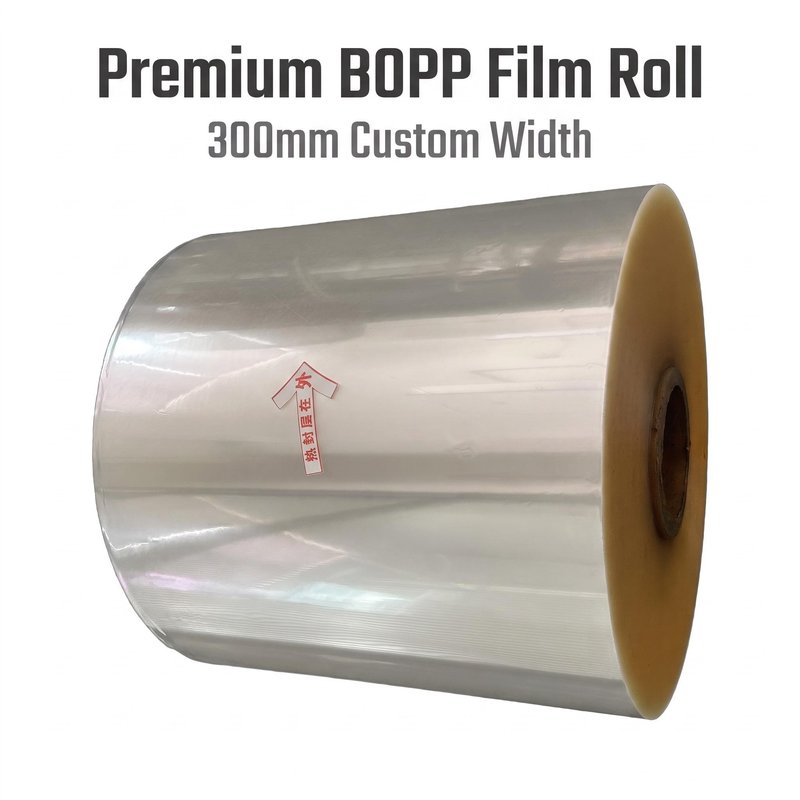
A custom BOPP heat-seal film roll should be evaluated as part of the complete sealing system. Buyers should define the tray material, sealing temperature, contact food, storage condition and expected shelf life. Film thickness alone does not establish suitability.
For a PP airline meal container with a clear lid, the base and lid should be documented separately where their resin, additives or intended temperature ranges differ. The test programme should reflect the actual use case, including hot filling, reheating, chilled storage or fatty foods where applicable.
A PLA-coated paper cup combines a paper substrate, coating, inks and potentially adhesives. Procurement teams should confirm which layer provides the food-contact surface and request documentation that matches the final printed construction and intended hot- or cold-drink use.
A useful RFQ states the destination market, food type, maximum contact temperature and time, single-use or repeated-use status, printing requirements, dimensions, annual volume and required documentation. These details allow the supplier to select an appropriate construction and propose a relevant validation plan. XHANCO does not treat one certificate as blanket approval for every market or application; documentation should be reviewed against the final specification and destination requirements.
For support matching materials, specifications and testing documents to an airline or foodservice programme, contact XHANCO with the intended use and target market.
Email :sales@xhanco.com
Email :Sales@xhanaero.com
Tel :+8619129236778
Whatsapp : +8619129236778
4/F, Building E, No. 5 Xinhe South Road, Zengcheng District, Guangzhou, China


Leave A Message
Scan To Wechat :

Scan To WhatsApp :


 Product categories