Email : sales@xhanco.com
Phone : +8619129236778
Food-packaging orders for France need an ink-composition check that a colour proof cannot provide. Since 1 January 2025, French restrictions have applied tighter thresholds to specified mineral-oil hydrocarbons in printing inks used on packaging. For buyers preparing 2027 airline catering, bakery or takeaway programmes, this is an existing purchasing requirement, rather than a future deadline.
The practical question is whether the documented ink formulation and the verification evidence address the French rules for the intended packaging. “Food-grade ink,” “vegetable-based ink” or a general low-migration statement does not identify the concentrations being controlled. Buyers should connect the requirement to the actual printed item and approved ink system.
The French order of 13 April 2022 defines the relevant mineral oils as oils produced from petroleum hydrocarbon feedstocks and used to manufacture inks. Its scope identifies mineral-oil aromatic hydrocarbons, or MOAH, with one to seven aromatic rings, and mineral-oil saturated hydrocarbons, or MOSH, with 16 to 35 carbon atoms.
From 1 January 2025, the prohibition applies where MOAH concentration by mass in ink exceeds 0.1%, or where the concentration of MOAH compounds with three to seven aromatic rings exceeds one part per million. For the specified MOSH fraction, it applies where concentration by mass in ink exceeds 0.1%. The earlier MOAH threshold of 1% applied only through 31 December 2024.
Page 8 of the ANSES scientific and technical report, request 2023-REACH-0120, independently summarises these fractions, thresholds and dates. It also records the order’s narrow exception: where an EU provision expressly authorises mineral-oil-containing inks for the relevant packaging or printed material, that provision’s limits and conditions must be met. A general food-contact declaration does not establish that this exception applies.
These are concentration criteria in the ink. Buyers should not substitute an unrelated food migration result, or calculate a lower figure by dividing the ink content by the weight of the entire meal box. A report needs a clear measurement basis before its result can be compared with the requirement.
The French environment ministry’s official implementation FAQ explains that packaging scope is broad: it includes primary, secondary and tertiary packaging, household and non-household formats, and B2B packaging across materials. The FAQ also makes clear that the provisions are not confined to one printing technology.
For a foodservice programme, the review should therefore start with an inventory of printed packaging intended for the French market. A branded outer carton deserves a scope decision alongside the directly used serving pack. An assumption that only the surface touching food matters can leave part of that inventory unchecked.
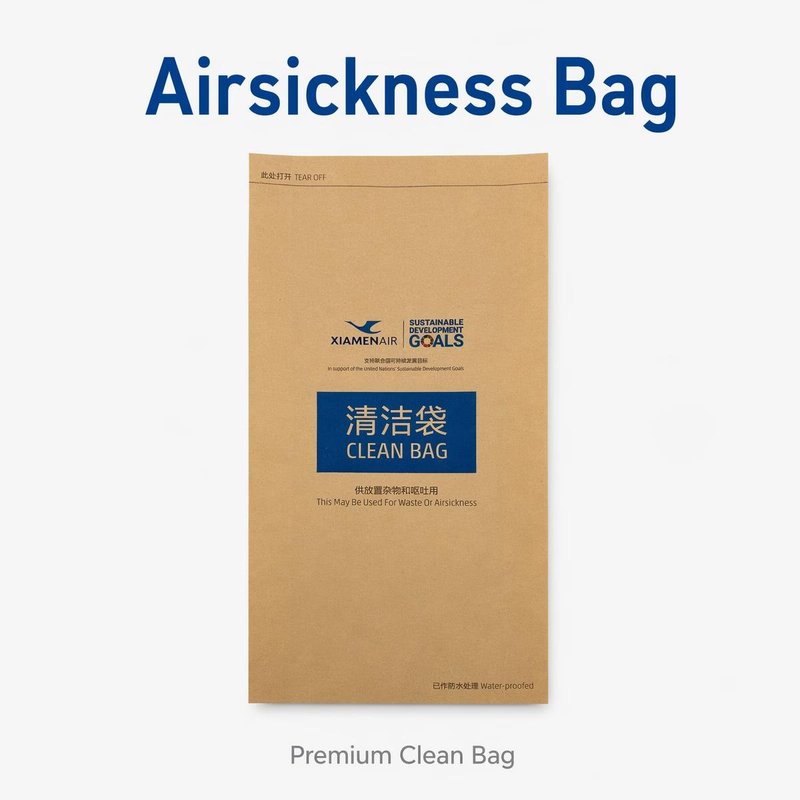
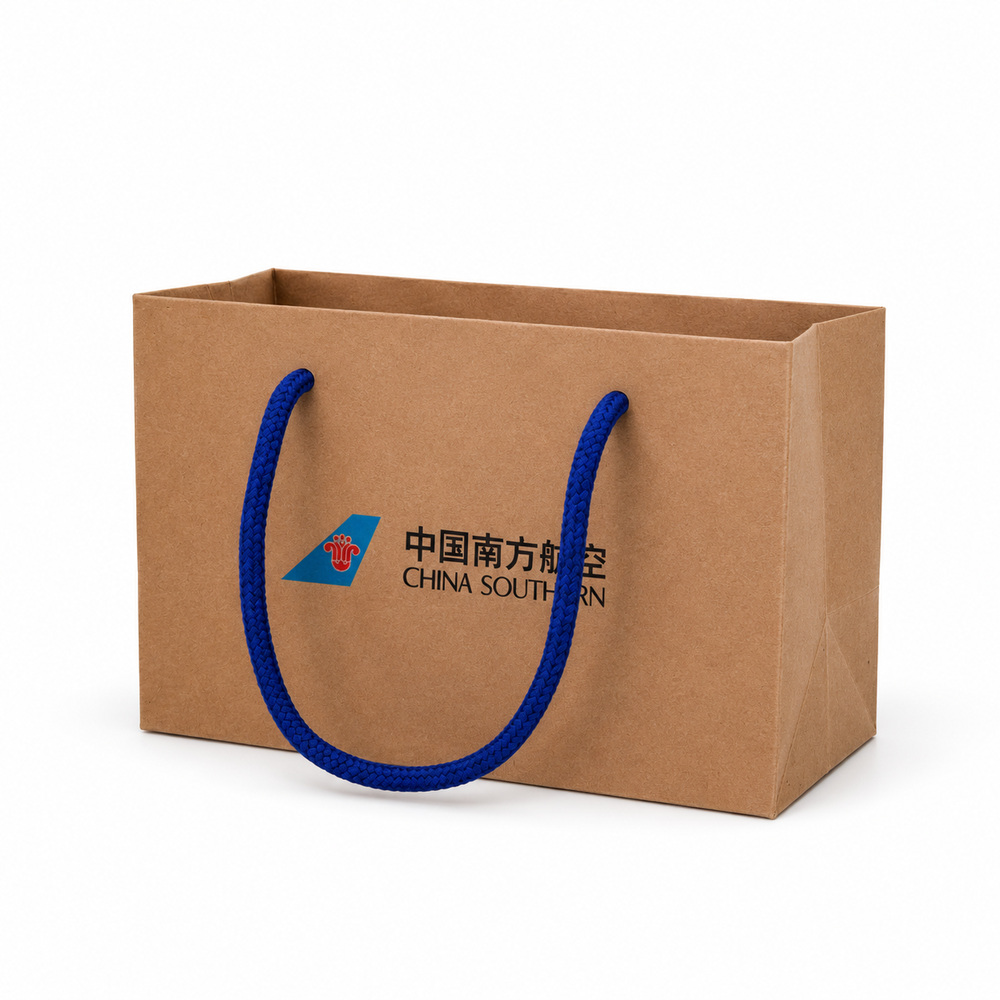
XHANCO’s custom printed airline paper meal boxes and printed PE-laminated bread bags illustrate two formats for which buyers can request an order-specific ink review. Their different constructions make it useful to identify the printing process, substrate and ink supplier separately. Product descriptions alone do not establish French conformity.
Start with the finished-item drawing or artwork reference, then attach a short technical request. Ask the converter to identify the ink series, the relevant supplier declaration and the basis used to address the MOAH and MOSH criteria. If confidential formulation information cannot be shared with purchasing, agree how a laboratory or other appropriate reviewer will assess it.
The order permits verification before or after ink application or printing. That flexibility makes the test basis important: an ink sample and a finished printed pack are different specimens. Ask the laboratory to state what was analysed, which fractions were covered, the reporting units and the detection or quantification limits. A result described only as “not detected” needs those limits to be interpretable.
The environment ministry’s packaging policy guidance connects these restrictions with substances that can disturb recycling or limit the use of recycled material because of health risks. Separately, the ANSES assessment of mineral-oil migration from recycled paper and board provides scientific background on migration and analytical challenges; that earlier assessment is not the source of the 2025 legal thresholds. A packaging team therefore needs a specific composition review alongside its usual assessment of the finished food-contact article.
Passing one review should not be recorded as universal approval for the other. Keep separate conclusions for French mineral-oil ink requirements, food-contact suitability and any environmental claim printed on the package. This makes it easier to see what a supplier document actually supports and which question remains open.
For a French-market enquiry, send the destination, printed formats, artwork reference and requested evidence to XHANCO. Agree the documentation and approval steps before production, and have the responsible market operator confirm the final assessment for the intended use.
Email :sales@xhanco.com
Email :Sales@xhanaero.com
Tel :+8619129236778
Whatsapp : +8619129236778
4/F, Building E, No. 5 Xinhe South Road, Zengcheng District, Guangzhou, China


Leave A Message
Scan To Wechat :

Scan To WhatsApp :


 Product categories