Email : sales@xhanco.com
Phone : +8619129236778
Food-contact packaging traceability needs a usable link between delivered lots and catering records, not just a code printed on a carton.
For an airline caterer receiving trays, lids and wrapping films from different deliveries, a packaging query can become difficult to investigate after cartons have been opened and stock has moved to the packing line. The practical question is whether the business can identify what it received, where it went and which records support that identification. This procurement briefing focuses on that operational gap; it does not announce a new EU law or claim that a particular supplier's products are compliant.
Article 17 of Regulation (EC) No 1935/2004 requires food-contact materials and articles to be traceable and identifiable through an appropriate system. Operators must be able to identify their supplying and receiving businesses, with due regard to technological feasibility, and make the information available to authorities. Its traceability provisions have applied since 27 October 2006. These are current requirements, not obligations deferred to a future packaging deadline.
Separately, Article 7 of the food-contact GMP Regulation (EC) No 2023/2006 concerns relevant specifications, manufacturing records and quality-control results. The general GMP requirements have applied since 1 August 2008. A traceability reference and supporting manufacturing evidence perform different jobs: identifying a lot does not prove that the material is safe for every food or use condition.
The European Commission's legislation overview also distinguishes general rules from material-specific requirements. Review those requirements and any relevant transition provisions separately for the actual construction and destination. There is no new future phase-in date being proposed in this article's checklist. The recommendations below are a purchasing and handling workflow, not a prescribed EU coding format.
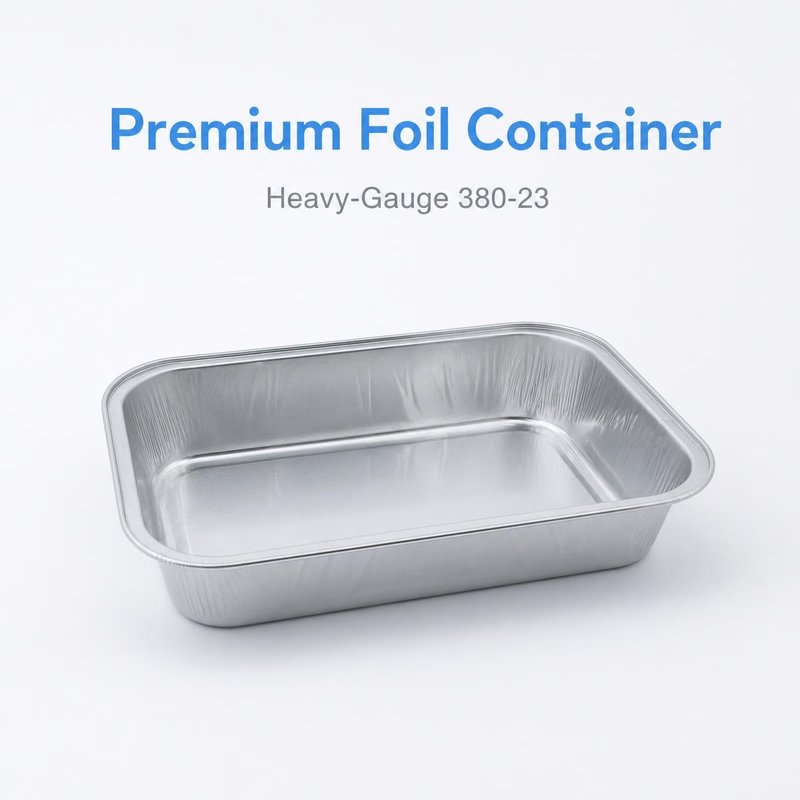
Aluminium meal containers. For a product such as XHANCO's Model 380-23 aluminium foil food container, record the supplier's delivered lot, the approved specification revision, carton quantities and the receiving reference. If lids arrive separately, keep their identification separate. Treating a tray and lid as one purchased set can conceal two different delivery histories.
When an outer carton is discarded, transfer the reference to the remaining inner pack or stock-location record. If two deliveries of visually identical trays are combined in one bin, define how the team will record the mixture. Avoid pretending that one surviving carton label identifies every tray in the bin. Where precise separation is lost, an investigation may need to consider a wider quantity.
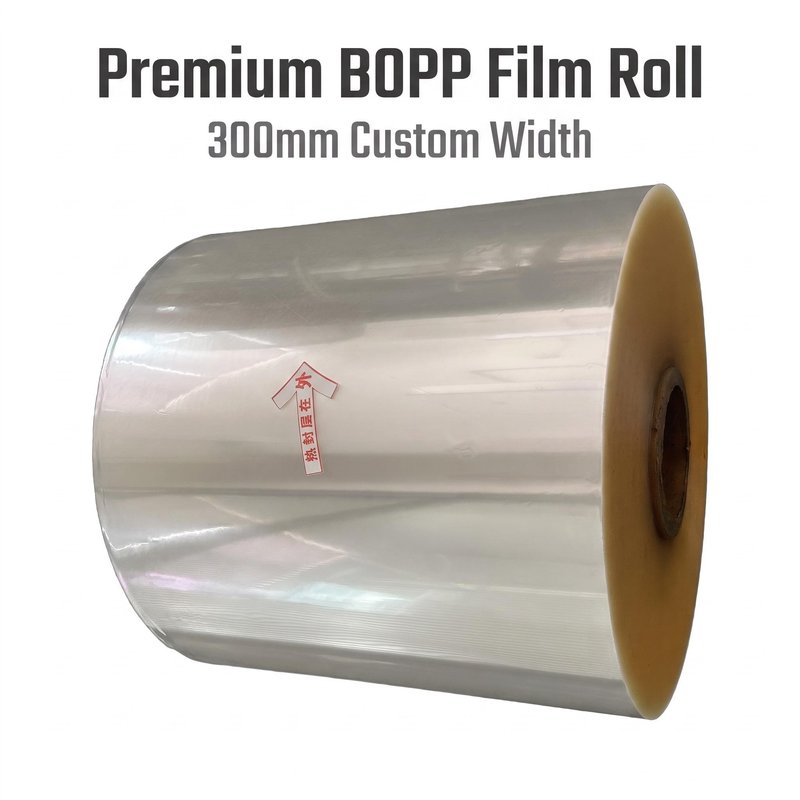
Heat-seal films. For the roll-fed products covered by XHANCO's heat-seal film range, the useful handling unit is often the individual roll. Preserve its reference when it leaves the carton, record when it enters the machine and identify any part-used roll returned to storage. Include the approved film construction and relevant artwork revision in the purchasing record.
A roll change during a catering run can create more than one packaging lot within the same finished-food batch. Record the change against an actual production event, such as the run sheet or packing interval. Do not invent unit-level precision that the line did not capture. These examples describe controls buyers can request and validate; they are not statements about XHANCO's delivered lot-coding practice.
Keep acceptance criteria proportionate to the operation. A small kitchen and a multi-site caterer may use different systems, but both need information that staff can actually retrieve. This article does not prescribe a universal retention period or claim that a barcode or QR code is mandatory. Determine retention and record-access requirements with the responsible compliance team for the applicable market and product.
Run a documented tabletop exercise using one nominated packaging lot. Start from a received delivery and identify its stock locations and production uses. Then work in reverse from a selected catering production record to the packaging references available. Count unopened cartons, opened packs, used material, returns and unexplained differences separately.
Record where the exercise loses information: a missing inner-pack label, an unrecorded roll change or a delivery note stored under an unrelated purchase-order number. Fix that specific gap and repeat the affected step. Report uncertainty honestly rather than narrowing the potentially affected stock without evidence. A drill is an internal operational check, not an authority's approval of the system.
For a new supply programme, ask XHANCO to review the required packaging identification, specification references and delivery documentation alongside the product brief. Confirm the agreed controls in writing before sample approval and bulk shipment. The useful outcome is a retrievable connection between material, delivery and use, not simply another printed code.
Cover photograph: Jacques Dillies on Unsplash, used under the Unsplash License. Illustrative warehouse photograph; not XHANCO premises or evidence of its traceability system. Regulatory sources checked 12 October 2026.
Email :sales@xhanco.com
Email :Sales@xhanaero.com
Tel :+8619129236778
Whatsapp : +8619129236778
4/F, Building E, No. 5 Xinhe South Road, Zengcheng District, Guangzhou, China


Leave A Message
Scan To Wechat :

Scan To WhatsApp :


 Product categories