Email : sales@xhanco.com
Phone : +8619129236778
A compostable cup does not automatically qualify for composting after an international flight. For relevant flights arriving in Great Britain, used food packaging can fall into the international catering waste system, where animal-health controls determine its treatment. Procurement teams should establish that route before promising passengers that a material change will result in composting.
This application briefing was reviewed on 16 October 2026. It addresses the published UK aviation guidance, with particular attention to Great Britain. Northern Ireland routes have different classifications in the guidance and must be reviewed separately. It is not a statement that every airline, flight or unused packaging item follows one disposal route.
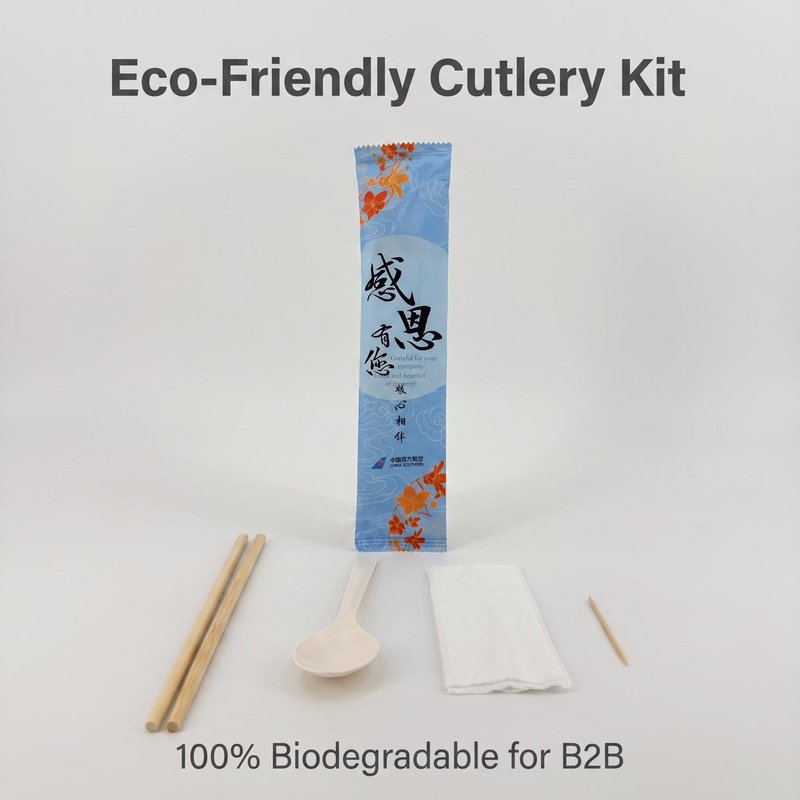
The Animal and Plant Health Agency and Defra's international catering waste guidance identifies ICW as a high-risk Category 1 animal by-product. Its examples include food-contaminated meal packaging, disposable cutlery and used beverage cups. The guidance explicitly excludes ICW from biogas and composting plants.
This is an existing control, not an October 2026 announcement of a new ban on compostable materials. The page records a substantive clarification in September 2025. A supplier's compostability certificate cannot override a waste classification imposed for animal-health protection.
Separately, the government's aircraft-waste separation guidance distinguishes flights to Great Britain from other countries, including EU countries, from specified domestic routes. It also sets out different treatment for certain Northern Ireland journeys. An airline should map its actual route and handling arrangements rather than using “UK flight” as a complete classification.
Example 1: a PLA-lined beverage cup. XHANCO's 8 oz PLA-coated paper cup is a construction buyers may assess for beverage service. Its paper body and PLA lining describe the product, not the legal destination of the used cup. Do not put an unconditional composting message on a programme whose post-service waste must be handled as ICW.
Unused cups kept clean and separate require a different assessment from used cups. The aircraft guidance includes unused drinks cups among potentially recyclable items, subject to the collector's capability. That does not establish that a particular coated cup is recyclable locally or permit a used cup to be moved into recycling after contamination.
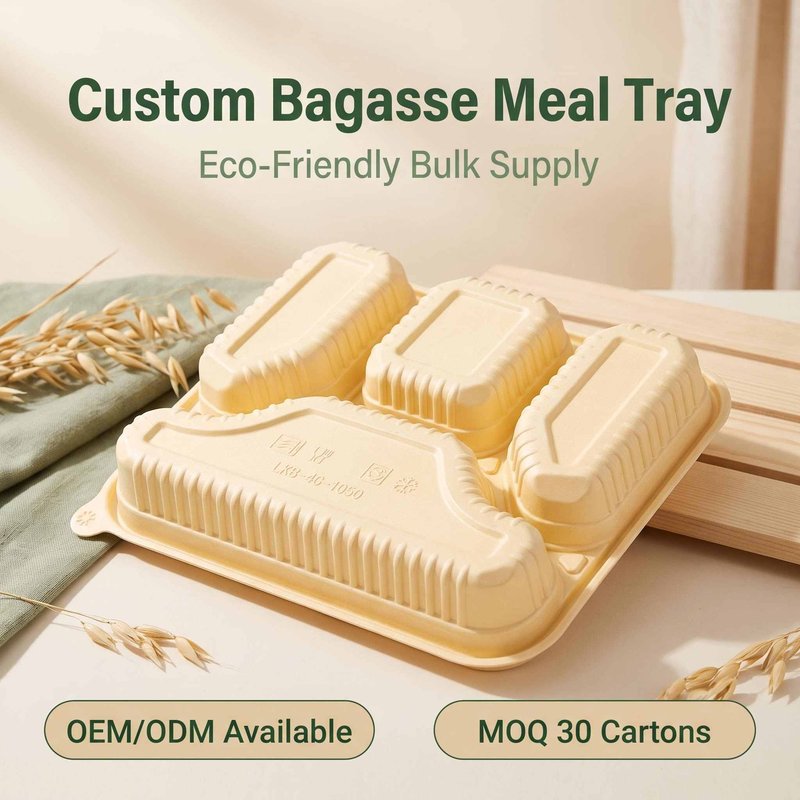
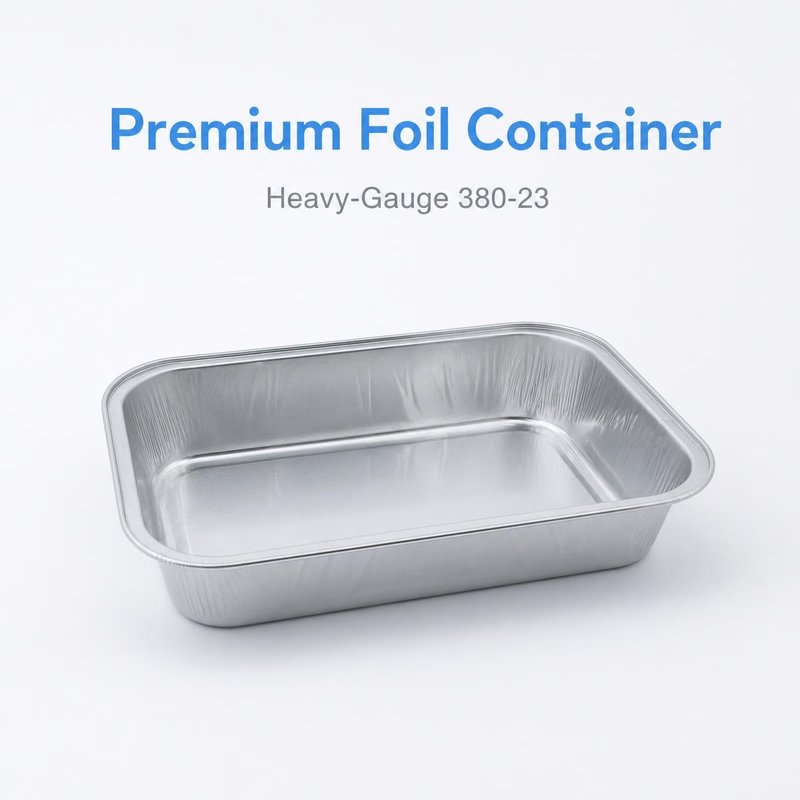
Example 2: a meal container. A foil food container can be technically attractive for meal service, but metal composition alone does not establish that the soiled tray can enter the airport's recycling stream. Material recoverability and permission to recover a contaminated item are separate questions.
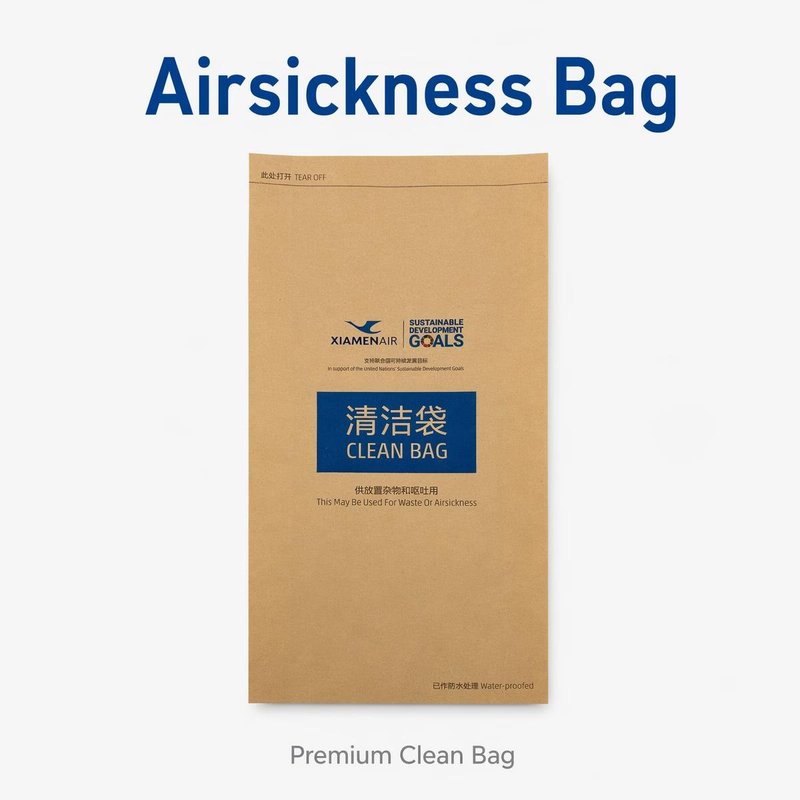
Collection equipment also needs specification. The aircraft guidance calls for distinguishable ICW and recycling bags, adequate thickness against leakage, and sufficiently transparent recycling bags for visual checks. When reviewing cabin waste-bag options, define the stream, visibility, fit and agreed load conditions. A colour or polymer name is not evidence that a bag meets the complete operational requirement.
The following is a suggested project-control record, not an additional statutory form or a claim that XHANCO has audited an airline's waste operation.
Use one practical walk-through to test the plan with cabin, catering and ground teams together. Record where visibility, labels, storage space or bag handling make separation difficult. Correct the handover process before treating a packaging substitution as an environmental outcome.
The cited guidance describes present handling obligations. This briefing does not identify an announced future exemption that would allow ICW to enter ordinary composting simply because its packaging is certified compostable. If a future policy or local arrangement changes, obtain the applicable written authority before changing the approved route.
There are still useful procurement decisions to make: avoid unnecessary service items, match packaging to the meal, protect clean unused stock, and specify collection equipment for the actual operation. These are project choices to evaluate, not a guarantee of a particular recycling or carbon-saving result.
Send XHANCO the product list, service conditions, destination and waste-handling requirements for specification review. Cup, tray and bag performance should be approved alongside the operator's collection plan. Product selection does not replace the airline's regulatory responsibilities or specialist advice.
Cover photo: Alexander Schimmeck / Unsplash, under the Unsplash License. Illustrative cabin photograph; not a XHANCO customer, project, waste-handling audit or endorsement.
Email :sales@xhanco.com
Email :Sales@xhanaero.com
Tel :+8619129236778
Whatsapp : +8619129236778
4/F, Building E, No. 5 Xinhe South Road, Zengcheng District, Guangzhou, China


Leave A Message
Scan To Wechat :

Scan To WhatsApp :


 Product categories