
Enter product details (such as color, size, materials etc.) and other specific requirements to receive an accurate quote...
Leave A Message
If you are interested in our products and want to know more details, please leave a message here, we will reply you as soon as we can.
submit
Home

News

News

  • A passive RFID baggage tag and a battery-powered consumer luggage tracker serve different purposes. The passive tag provides an identity to compatible reading equipment. A consumer tracker may provide a separate passenger-facing location service. Buyers should identify the intended technology before discussing battery restrictions, read performance, or integration. The word “tracker” alone does not describe the construction or establish suitability for an airline baggage operation. XHANCO, the brand of Guangdong Xinghan Industrial Co., Ltd. in Guangzhou, China, manufactures RFID baggage tags and thermal baggage tags. For a project specifying passive RFID, the construction and compatibility requirements should be agreed before samples are made. A particular chip, inlay, encoding scheme, or approved airline installation should be specified and verified for the project rather than assumed from that manufacturing capability. What passive RFID does, and what it does not show The U.S. National Institute of Standards and Technology defines a passive tag as having no power supply of its own and drawing power from the reader. This is a technology definition, not an airline approval of a baggage product. GS1's explanation of active and passive tags also identifies battery-assisted passive variants. This article concerns battery-free passive construction; confirm the components rather than assuming every RFID label is battery-free. For procurement purposes, think of a passive baggage tag as a readable identity at an equipped point. It is not a GPS receiver and does not independently provide continuous location outside reader coverage. A passenger-facing status display needs information from the wider operational service. Its usefulness depends on what was observed, how that observation was interpreted, and whether the resulting record reached the application. This distinction matters when comparing quotations. Ask what the offered item physically contains and what the proposed price includes. Tag manufacture, chip selection, encoding, reader equipment, software, and operational support are separate items to allocate explicitly. A quotation for tags should not be read as a quotation for a functioning airport tracking network. Keep FAA battery guidance within its stated scope The FAA's PackSafe page addresses baggage equipped with lithium batteries and battery-powered location trackers. It tells travelers to check with the airline and notes that international requirements can differ. See FAA PackSafe: baggage equipped with lithium batteries. Its battery guidance should not be presented as a commercial certification programme for passive RFID baggage labels. That means a supplier should not turn a reference to FAA guidance into an “FAA approved” product statement. A passive construction without a battery raises a different question from a device containing a lithium battery. The project still needs to establish its own technical and operational requirements. If the proposed item changes to include a battery or another powered function, revisit the classification with the responsible airline and qualified project specialists. Likewise, IATA is an industry association, not a government regulator. Its public baggage standards index identifies RP 1740c as the RFID specification reference for interline baggage. Listing a relevant reference does not establish that an XHANCO tag has been certified by IATA. Detailed project claims need the applicable specification, evidence, and clearly identified approval scope. Two application examples: an equipped origin and a mixed network An origin airport with RFID readers: an airline is evaluating a tag for an existing reader installation. The sample review should verify that the proposed construction can be printed and encoded as required, that the expected identity is returned, and that the operating application associates it with the intended bag. Start with the XHANCO airline and airport supplies category, then describe the RFID baggage application and approved project requirements. Trial conditions should represent how bags are actually presented at the chosen point. Include different attachment orientations and operationally relevant bag contents in a test plan agreed by the customer. Investigate missed and unexpected observations rather than reporting only a successful demonstration. Set the acceptance criteria before comparing candidate constructions so the result can support a purchasing decision. A journey through airports with different equipment: a proposed tag may be read electronically at one station while another station relies on visible printing. The buyer should preserve the required human-readable and barcode information and test the fallback process. IATA's public baggage tracking implementation guide discusses RFID alongside optical and manual recording methods. For this application, send XHANCO a mixed-network RFID tag enquiry with the proposed construction and trial scope. These examples are illustrative, not customer case studies. A practical review before an RFID tag order The following is a recommended procurement checklist, not a substitute for the customer's applicable technical documents: Confirm whether the construction is passive and document its components. Agree the chip, inlay, encoding instructions, and relationship to the printed baggage identifier. Check compatibility with the intended printer, encoder, readers, and operating software. Have the responsible system team confirm radio requirements for the countries of intended use. Test visible print and barcode fallback as well as RFID observations. Allocate responsibility for rejected tags, encoding exceptions, replacement identities, and material changes. XHANCO's contribution is the manufactured tag and agreed supply documentation. The airline, airport, and system providers own event interpretation, software integration, and operational acceptance. Send the required construction, equipment information, expected quantities, and sample criteria for a project review. This gives both parties a defined basis for discussing feasibility without implying universal compatibility or regulatory endorsement. This source review is dated 16 October 2026. It describes existing technology and guidance, not a newly announced future phase-in or approval of a specific XHANCO tag. Cover photo: Fabio Sasso / Unsplash, under the Unsplash License. Illustrative terminal photograph; not a XHANCO customer, RFID deployment, regulatory endorsement or product test.

    Read More

  • A thermal baggage tag needs to remain attached and identifiable through the planned handling journey. Selecting tag stock only by its appearance immediately after printing leaves important questions unanswered: will the loop hold, will a perforation tear where intended, and will the barcode still be usable after handling? Qualification should evaluate the finished construction in the customer's application, with recorded acceptance criteria agreed before bulk supply. XHANCO, the brand of Guangdong Xinghan Industrial Co., Ltd. in Guangzhou, China, manufactures thermal baggage tags as well as RFID baggage tags and thermal boarding passes. Each application needs its own specification. Experience supplying a boarding pass does not automatically establish that the same stock, format, or attachment design suits checked baggage. The source guidance in this application briefing was checked on 16 October 2026; no new future implementation deadline is asserted. Start with the tag construction and the controlled identifier IATA's public standards index lists Resolution 740 for interline baggage tag form, Resolution 751 for use of the ten-digit license plate, and RP 1740a for baggage tag media quality. These references help buyers identify relevant documents; the index does not publish their full technical clauses. The current customer specification and applicable licensed standards should guide a project review. See IATA's baggage standards index. Begin a supply enquiry with a construction drawing rather than a general request for “airport paper.” Specify the finished format, attachment arrangement, printing areas, separations, packing format, and relevant tolerances. Identify which features are critical to the operating process and which may be proposed for review. A retained approved sample gives both parties a concrete reference when later deliveries are checked. The airline or its authorized system owner should supply the identifier and artwork rules. A tag manufacturer should not invent airline issuer identities for production use. For demonstrations, use clearly controlled test data approved by the project team. Compare the intended record with the printed barcode and human-readable number so an attractive print cannot hide an incorrect identity. Evaluate attachment and print survival together Direct thermal printing forms an image on heat-sensitive media without a ribbon; thermal transfer uses a ribbon. Zebra's official explanation also identifies heat, light, and abrasion as considerations for direct thermal image life. See Zebra's thermal printing comparison. The method description does not certify any individual baggage tag stock. For baggage use, build a sample programme around the intended conditions. Print samples before the exposure sequence, then agree how they will be attached, handled, exposed to moisture, rubbed, and rechecked. Record the conditions and results so purchasing, quality, and operations can compare alternatives on the same basis. Terms such as “water resistant” or “durable” are more useful when tied to an agreed evaluation than when left as unqualified adjectives. Examine the whole loop after handling. Look for edge damage, unintended tears, opening at the attachment area, and deformation that changes how the tag hangs. Where the design uses adhesive, evaluate the completed attachment under the agreed conditions; where it uses perforations, check both intentional separation and resistance to unintended separation. These are recommended sample checks, not technical thresholds attributed to an unread standard. Then read the handled samples without reprinting them: the question is whether the original image survived. Review print contrast, image damage, visible characters, and the ability of the intended scanner to obtain the expected identity. Use separate fresh samples for any revised printing trial. Keep material comparisons separate from configuration changes so the team can see what caused an improvement or failure. A physical stock change and the addition of RFID are different project changes and should be documented separately. Two application examples and a privacy check Staffed check-in: an operator attaches a printed loop around a suitcase handle during a busy departure period. The useful trial includes normal handling motions, intentional removal of any claim portion, and a later scan after the bag has moved through the agreed handling simulation. Review the XHANCO airline and airport supplies range when defining the consumables scope, then identify the required baggage tag construction in the enquiry. Transfer handling: a bag arrives with its original tag already creased and is moved through another handling operation. Sample evaluation should address attachment survival and access to the printed identity after that movement, rather than inspecting only unused tags. Buyers can request a thermal baggage tag sample review with the proposed handling conditions and equipment details. These are illustrative applications, not claims of specific airline installations. Privacy belongs in the trial plan too. As a recommended data-handling practice, avoid using genuine passenger details in public sample photographs or sales demonstrations. Agree who can receive test files and how rejected prints and used samples will be handled. A visible baggage identifier may connect to information held in operational systems; treating the physical print as harmless simply because it is paper can undermine the customer's own controls. A repeatable purchasing checklist A purchasing team can use the following recommended checklist to make approval and repeat orders easier to review: Approve the finished drawing, loop arrangement, adhesive or perforation details, and packing format. Use authorized test identifiers and confirm barcode-to-record agreement. Record the actual printer, settings, scanner, and sample lot used. Evaluate moisture, abrasion, attachment, and separation under agreed conditions. Define how failed samples, passenger information, and public images will be controlled. Retain signed samples and agree material-change notification and repeat-order inspection. XHANCO can review manufacturing and supply requirements against the customer's approved specification. The airline and its system partners remain responsible for operational event recording and acceptance. Share your drawing, expected usage conditions, printer details, and sample requirements to start a focused qualification discussion. Cover photo: Alexander Schimmeck / Unsplash, under the Unsplash License. Illustrative baggage-handling photograph; not a XHANCO product test, customer installation or measured read-rate result.

    Read More
  • Thermal baggage tags and RFID baggage tags supply an identity that an airline’s baggage operation can read. They do not, by themselves, prove that a bag was accepted, loaded, transferred, or returned. For buyers planning a tag order, that distinction connects a physical manufacturing specification with the operational evidence the airline needs. A clear barcode or successful RFID response is an input to tracking; the handling system must turn that input into a meaningful record. XHANCO, the brand of Guangdong Xinghan Industrial Co., Ltd. in Guangzhou, China, manufactures thermal baggage tags, RFID baggage tags and thermal boarding passes. Boarding passes and baggage tags have different formats and approval requirements; one is not a substitute for the other. The practical starting point for a supply discussion is the customer’s intended journey, equipment, and approved tag specification. This article reviews existing public guidance and purchasing considerations, checked on 16 October 2026; it does not announce a new rule taking effect today. Four tracking points require more than four reads IATA’s public explanation of Resolution 753 identifies four core points: passenger handover to the airline, loading onto the aircraft, delivery to the transfer area, and return to the passenger. It also addresses sharing tracking information with interline partners where required. See IATA’s baggage tracking overview. IATA is an airline industry association, not a government regulator. A buyer can use these points to frame questions for the operations team. Where does physical responsibility change? Which device observes the bag there? Which application decides what the observation means? Who can retrieve the record after a disruption? Those questions help identify the tag’s job without assigning the entire tracking project to its manufacturer. A reader may detect the same tag several times while a bag waits near a conveyor. Counting those responses as several completed handovers would confuse proximity with custody. An implementation should define which observations qualify as events, how repeated observations are handled, and what happens when information arrives late. These are project design recommendations, rather than additional IATA requirements asserted by this article. Join the physical identifier to the operational journey The printed or encoded identity needs an agreed relationship with the bag’s operational record. Procurement should ask the airline and system provider to establish that relationship before artwork or encoding instructions are released. A replacement tag, diverted journey, or retagging decision needs a documented treatment so staff can understand which identity is active. The public IATA/ACI Baggage Tracking Implementation Guide, November 2023 edition, discusses recording methods and gives example event data including bag identity, flight, station, and time. Its transfer discussion calls for agreement between the relevant parties on custody change. This is useful implementation context, not evidence that a particular XHANCO product or airport installation has been approved. For a purchasing team, a sample review should therefore include both the tag and a controlled operational demonstration. Can the team follow one test bag from its issued identifier to the expected record? Can it distinguish a valid event from an unread tag, a duplicate observation, and an operator correction? A small, traceable trial often reveals missing responsibilities more clearly than an isolated reader demonstration. XHANCO’s scope is manufacturing and supply against agreed requirements. Departure control systems, baggage handling systems, reconciliation applications, event processing, and interline information exchange need their respective owners. The presence of RFID inside a tag does not transfer those responsibilities to the tag converter. Two application examples: bag drop and transfer Self-service bag drop: consider a project in which a passenger prints a tag and attaches it before placing the bag into the acceptance equipment. The trial should check that the loop remains attached, the printed information remains accessible, and the accepted bag links to the intended journey. A tag printed successfully but left in the passenger’s hand must not be treated as proof of physical acceptance. Buyers can review XHANCO’s airline and airport supplies category when preparing a baggage consumables enquiry. Interline transfer: consider a bag moving from one carrier’s handler to another’s at a hub. A trial should test both the tag’s condition after handling and whether the receiving operation can use the identifier. The project teams should agree which point represents the handover and how an unresolved record is investigated. For this application, send XHANCO the transfer-tag supply requirements, including the approved construction and the equipment used in the proposed trial. These examples describe applications, not named customer deployments. A procurement checklist for useful tracking evidence Before ordering production quantities, use a written review checklist. The following is a recommended buying workflow, not a mandatory IATA qualification procedure: Identify the operational owner for each intended tracking point and its exception process. Supply controlled artwork, identifier rules, and any encoding instructions through an authorized project contact. Test samples on the intended printers and readers with realistic bag attachment and handling. Check that the visible identity, machine reading, and operational record agree for each test bag. Include duplicate reads, damaged tags, retagging, and transfer exceptions in the trial. Agree acceptance criteria, retained samples, lot identification, and change notification before repeat supply. The useful deliverable is an agreed tag specification backed by evidence from the customer’s environment. XHANCO can review thermal and RFID baggage tag manufacturing requirements with procurement teams; project compatibility and operational acceptance should be confirmed through the agreed sample and system trials. Contact the team with your application, construction drawing, equipment details, and expected order quantities to begin that review. Cover photo: Mark Stuckey / Unsplash, under the Unsplash License. Illustrative Lisbon Airport baggage-claim photograph; not evidence of a XHANCO customer, installation or airport approval.

    Read More
  • A certificate for a resin or component is not automatically a certificate for the finished cup, utensil or wrapped kit. Buyers of compostable foodservice packaging should verify what the issuer actually assessed, which item is covered and which composting environment the claim describes before approving artwork or a tender response. This evidence-focused procurement briefing was reviewed on 16 October 2026. It explains how to read certification scope using primary information from BPI, with environmental background from the European Commission. It does not declare that any XHANCO product holds BPI certification, and it does not replace a certification body's decision about a particular construction. First identify the certified object and treatment environment BPI's certification FAQ states that certified resins, films and intermediates cannot simply be sublicensed as finished products: the finished product must go through certification. Its application guidance also ties disintegration approval to the tested item's maximum thickness or grammage. A genuine upstream document may therefore still cover the wrong object or construction for the proposed claim. The European Commission's materials policy overview distinguishes compostable plastics that need controlled conditions from biodegradation in other environments. Do not turn an industrial claim into a home-composting instruction or an assurance about breakdown in soil, water or landfill. Bio-based origin alone does not establish compostability. For a practical review, write down the proposed claim first. “This supplier uses a certified resin” and “this printed finished cup is certified” are different statements. The document must support the one that will appear on the product, quotation or marketing page; a familiar logo does not close that gap. Two product applications where scope can be misunderstood PLA-coated paper cups. The XHANCO XH-FD-001 cup combines paper and a PLA coating. In a review of a construction like this, identify the finished cup, coating, print and other relevant constituents. Ask whether the supporting certification covers the ordered structure and any permitted variants. Do not infer complete-cup coverage from a document describing coating pellets alone. A change in paper structure, coating quantity or print configuration should trigger a documented scope check. The appropriate question is not whether every change always needs a new test, but whether the certifier's existing approval includes that variation. Obtain a written answer where the boundary is unclear. Mixed-material cutlery kits. The four-piece kit XH-CK-4PC-200-001 lists bamboo or wood chopsticks, a PLA spoon, a paper napkin and a wooden toothpick. Its outer wrap is another item to identify. A spoon-related document should not be stretched to cover the wrapper, and a wrapper-related document should not be stretched to cover the assembled set. Keep the component schedule and the environmental claim at the same level of detail. If evidence concerns only one component, restrict the statement to that component rather than describing the whole kit as certified. Product links here identify examples to assess, not evidence of certification status. Use issuer records, then check private-label rights BPI's certified-product catalogue guidance explains that its public records identify approved products and licensed sellers down to item number. It also distinguishes commercial compostability from items separately identified as home compostable. Match the actual supplier and item rather than stopping at a similar company or product-family name. BPI's certification and sublicensing guidance makes a separate point for private-label sales: selling certified finished products under another brand can require an agreement involving the licensee, brand owner and BPI. Permission to use the mark is not established simply by receiving the supplier's certificate scan. These are scheme-specific examples, not a statement that every certifier uses identical procedures. Ask the actual issuer about transfer, private-label or logo-use conditions. Do not alter the holder name, validity, item description or logo on a certificate to make it resemble the ordered product. A release checklist for certification-backed claims Record the identity. Capture issuer, certificate reference, holder, product designation and ordered SKU. Explain any mismatch between a supplier's code and the buyer's code. Classify the object. Mark the evidence as resin, intermediate, component or finished item. Keep unsupported extensions out of the proposed wording. Match the construction. Compare materials, permitted dimensions or thicknesses, colour, print, coating and other scope conditions with the approved specification. Check validity and authorisation. Review dates, applicable listings and brand or mark-use rights. Ask the issuer to resolve uncertain status rather than accepting a cropped screenshot. State the environment precisely. Identify industrial or home composting only where supported. Confirm local collection and facility acceptance separately. Keep other approvals separate. Compostability evidence does not establish food-contact suitability, hot-use performance, market permission or the handling rules for international catering waste. Freeze and monitor the claim. Retain the reviewed document, wording, artwork revision and sign-off. Recheck scope before a material, supplier or construction change. These are current evidence and scheme-review steps, not a new regulation announced today. A planned certificate application, forthcoming test report or expected renewal is not a current completed approval. If evidence is pending, mark the claim pending and do not print the certification logo in anticipation of a favourable result. The useful buying decision is a documented match between the ordered item, the supported statement and the intended waste route. Broad phrases such as “fully degradable everywhere” obscure those conditions and are less informative than a precise, verifiable description. Contact XHANCO with the product number, destination, finished construction and evidence required for a specification review. Available documents and their scope must be confirmed for the particular order; no certification should be inferred from this article or from material names alone. Cover photo: Antonio Araujo / Unsplash, under the Unsplash License. Illustrative wooden utensil arrangement; not a XHANCO product, PLA sample, certificate or laboratory-test result.

    Read More
  • A compostable cup does not automatically qualify for composting after an international flight. For relevant flights arriving in Great Britain, used food packaging can fall into the international catering waste system, where animal-health controls determine its treatment. Procurement teams should establish that route before promising passengers that a material change will result in composting. This application briefing was reviewed on 16 October 2026. It addresses the published UK aviation guidance, with particular attention to Great Britain. Northern Ireland routes have different classifications in the guidance and must be reviewed separately. It is not a statement that every airline, flight or unused packaging item follows one disposal route. The current rule: classification comes before material preference The Animal and Plant Health Agency and Defra's international catering waste guidance identifies ICW as a high-risk Category 1 animal by-product. Its examples include food-contaminated meal packaging, disposable cutlery and used beverage cups. The guidance explicitly excludes ICW from biogas and composting plants. This is an existing control, not an October 2026 announcement of a new ban on compostable materials. The page records a substantive clarification in September 2025. A supplier's compostability certificate cannot override a waste classification imposed for animal-health protection. Separately, the government's aircraft-waste separation guidance distinguishes flights to Great Britain from other countries, including EU countries, from specified domestic routes. It also sets out different treatment for certain Northern Ireland journeys. An airline should map its actual route and handling arrangements rather than using “UK flight” as a complete classification. What this means for cups, meal trays and collection bags Example 1: a PLA-lined beverage cup. XHANCO's 8 oz PLA-coated paper cup is a construction buyers may assess for beverage service. Its paper body and PLA lining describe the product, not the legal destination of the used cup. Do not put an unconditional composting message on a programme whose post-service waste must be handled as ICW. Unused cups kept clean and separate require a different assessment from used cups. The aircraft guidance includes unused drinks cups among potentially recyclable items, subject to the collector's capability. That does not establish that a particular coated cup is recyclable locally or permit a used cup to be moved into recycling after contamination. Example 2: a meal container. A foil food container can be technically attractive for meal service, but metal composition alone does not establish that the soiled tray can enter the airport's recycling stream. Material recoverability and permission to recover a contaminated item are separate questions. Collection equipment also needs specification. The aircraft guidance calls for distinguishable ICW and recycling bags, adequate thickness against leakage, and sufficiently transparent recycling bags for visual checks. When reviewing cabin waste-bag options, define the stream, visibility, fit and agreed load conditions. A colour or polymer name is not evidence that a bag meets the complete operational requirement. A six-field purchasing and handover plan The following is a suggested project-control record, not an additional statutory form or a claim that XHANCO has audited an airline's waste operation. Route and responsible reviewer. Record the flight origin, arrival jurisdiction, relevant guidance and named person who confirms classification. Escalate ambiguous connecting or mixed-service arrangements to the responsible authority or specialist. Item and contamination state. Distinguish unused stock, used service items, liquid residues and food-contact waste. A sample photograph should identify the state being assessed, not merely the material. Collection location and equipment. Map where each stream enters a bag or box, the required bag dimensions, closure, holder compatibility and safe working load. Trial representative wet and bulky contents under an agreed handling method. Turnaround handover. Identify the collection point, ground-handling party, transport arrangement and receiving contractor. Check that a well-separated onboard stream is not remixed later. Destination and evidence. Obtain a written description of the actual accepted treatment route and the documents the operator needs. A facility's general interest in compostable materials is not acceptance of this specific waste stream. Passenger-facing wording. Approve messages against the established route. Separate a factual material statement from a claim about what happens to the item after landing. Use one practical walk-through to test the plan with cabin, catering and ground teams together. Record where visibility, labels, storage space or bag handling make separation difficult. Correct the handover process before treating a packaging substitution as an environmental outcome. Do not build a tender around a future exception The cited guidance describes present handling obligations. This briefing does not identify an announced future exemption that would allow ICW to enter ordinary composting simply because its packaging is certified compostable. If a future policy or local arrangement changes, obtain the applicable written authority before changing the approved route. There are still useful procurement decisions to make: avoid unnecessary service items, match packaging to the meal, protect clean unused stock, and specify collection equipment for the actual operation. These are project choices to evaluate, not a guarantee of a particular recycling or carbon-saving result. Send XHANCO the product list, service conditions, destination and waste-handling requirements for specification review. Cup, tray and bag performance should be approved alongside the operator's collection plan. Product selection does not replace the airline's regulatory responsibilities or specialist advice. Cover photo: Alexander Schimmeck / Unsplash, under the Unsplash License. Illustrative cabin photograph; not a XHANCO customer, project, waste-handling audit or endorsement.

    Read More
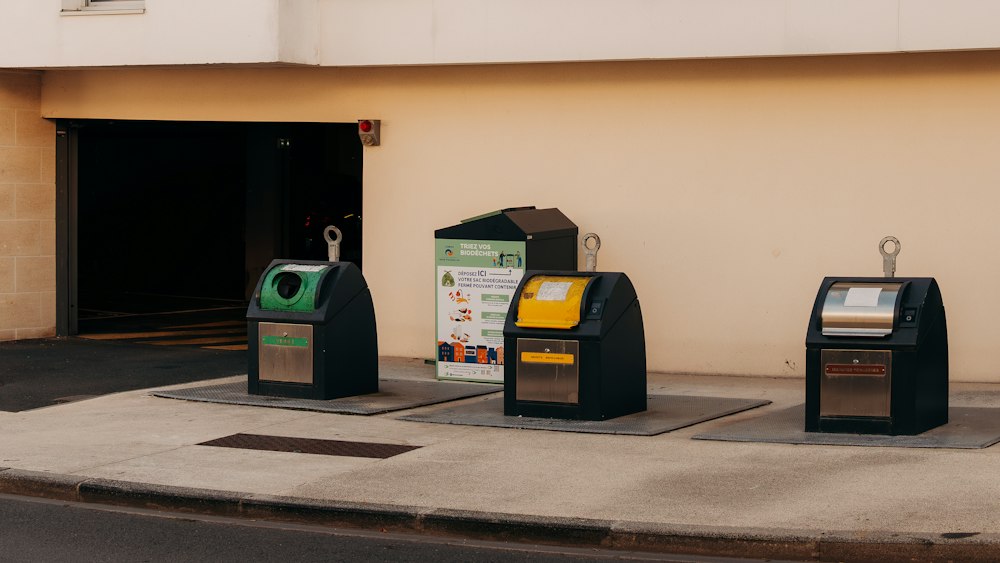
  • PLA is a plastic polymer, even when its feedstock is plant-based. Compostability does not automatically exempt a product from EU single-use-plastics rules. For airline caterers and foodservice importers, the practical question is not simply whether a material can biodegrade, but whether the particular item can be placed on the destination market, used safely and collected through an accepted waste route. This procurement briefing, reviewed on 16 October 2026, separates three decisions that are often combined incorrectly: market access, product performance and end-of-life claims. It concerns EU requirements; buyers should also check the implementing rules of the Member State concerned and the circumstances of their supply operation. Why a compostability claim is not a market-access approval The European Commission's explanation of bio-based, biodegradable and compostable plastics distinguishes material origin from disposal behaviour. Bio-based refers to feedstock. Biodegradation depends on environmental conditions. Industrial compostability concerns a controlled treatment route, not automatic breakdown in a garden, street or sea. The Commission also explains that bio-based and biodegradable plastics remain plastic under the Single-Use Plastics Directive's restrictions. Therefore, substituting PLA for a conventional polymer does not, by itself, remove an item from the legislation. A certificate about disposal behaviour and a decision about permission to sell perform different jobs. For procurement, treat these as separate approval folders. A material declaration identifies the construction; food-contact evidence addresses the intended use; any compostability evidence addresses a defined finished article and treatment condition. None should be accepted as a universal licence covering the other questions. Two applications: a PLA spoon and a PLA-lined paper cup Application 1: individually wrapped cutlery. The EU's Your Europe business guidance lists single-use plastic cutlery, including spoons, among prohibited products. A PLA spoon therefore needs a market-access review before an EU-bound programme is approved. A paper wrapper does not change the spoon's material. XHANCO's four-piece kit, XH-CK-4PC-200-001, combines bamboo or wood chopsticks, a PLA spoon, a paper napkin and a wooden toothpick. It is an example of why component-by-component review matters: describing the whole kit as plant-based does not answer the legal question about its spoon. This link identifies the construction; it is not a claim that this configuration is authorised for every market. Application 2: beverage cups. Cups do not all follow the same measure as cutlery. Your Europe identifies beverage cups among products requiring standardised markings. The Commission's product-scope guidance includes paper cups with a bio-based or biodegradable plastic lining. Do not describe a PLA-lined cup as plastic-free merely because most of its mass is paper. The XHANCO 8 oz PLA-coated cup, XH-FD-001, is a relevant construction to review. Request the complete paper-and-coating specification, applicable marking artwork and destination-specific obligations. Cup, lid and any sleeve should be checked as individual components rather than assigned one blanket environmental description. What already applies, and what is still a future process? Already applicable: the Commission's Single-Use Plastics overview and implementation timeline records 3 July 2021 for market restrictions on specified items and the entry into force of marking requirements. These are not proposed 2027 changes, and a supplier should not present them as optional during a future transition. Policy, not a blanket approval: the Commission's 2022 policy framework is a non-binding Communication. It supports careful selection and clear claims; it does not create a general exemption for compostable cutlery or guarantee local treatment infrastructure. Future review: the Commission states that evaluation of the Directive is due to end on 3 July 2027. An evaluation is not itself a new implementation deadline or a suspension of current requirements. Check any subsequently adopted legal text separately before changing an approved purchasing specification. A six-point release checklist for buyers Identify the item and transaction. Record the destination country, importer, intended use and whether the item is single-use. Obtain specialist advice where the scope of an aviation supply operation is uncertain. List every component. Identify utensils, coatings, lids, wraps, inks and adhesives. Ask which contain plastic; do not infer composition from colour or appearance. Map the applicable measure. Distinguish prohibition, marking, consumption-reduction and producer-responsibility obligations. “Not prohibited” does not mean “no obligations”. Match evidence to the ordered construction. Check product identifiers, materials, thickness or dimensions, document validity and intended food-contact conditions. Record any missing scope rather than filling it with a generic certificate. Verify the collection route. Ask the receiving waste contractor whether the finished item is accepted. A compostability claim does not demonstrate that a local facility will take it, particularly in an international catering-waste stream. Approve the claim and the physical sample separately. Retain the authorised artwork, specification revision, sample decision and responsible sign-off. Reassess a material or supplier substitution before release. Buyer takeaway: first establish permission for the product and market; then validate service performance and the waste pathway. Reversing that order can leave a technically attractive material unsuitable for the planned programme. To discuss a documented configuration, send XHANCO the destination, component list, service conditions and required evidence. Product-specific documentation and available options must be confirmed during specification review; this briefing does not certify any XHANCO item or replace destination-specific legal advice. Cover photo: Kseniia Poroshkova / Unsplash, used under the Unsplash License. Illustrative public waste-collection scene in France; not a XHANCO facility or evidence that these bins accept PLA.

    Read More
  • Food-contact packaging traceability needs a usable link between delivered lots and catering records, not just a code printed on a carton. For an airline caterer receiving trays, lids and wrapping films from different deliveries, a packaging query can become difficult to investigate after cartons have been opened and stock has moved to the packing line. The practical question is whether the business can identify what it received, where it went and which records support that identification. This procurement briefing focuses on that operational gap; it does not announce a new EU law or claim that a particular supplier's products are compliant. 1. Existing EU duties, not a future phase-in Article 17 of Regulation (EC) No 1935/2004 requires food-contact materials and articles to be traceable and identifiable through an appropriate system. Operators must be able to identify their supplying and receiving businesses, with due regard to technological feasibility, and make the information available to authorities. Its traceability provisions have applied since 27 October 2006. These are current requirements, not obligations deferred to a future packaging deadline. Separately, Article 7 of the food-contact GMP Regulation (EC) No 2023/2006 concerns relevant specifications, manufacturing records and quality-control results. The general GMP requirements have applied since 1 August 2008. A traceability reference and supporting manufacturing evidence perform different jobs: identifying a lot does not prove that the material is safe for every food or use condition. The European Commission's legislation overview also distinguishes general rules from material-specific requirements. Review those requirements and any relevant transition provisions separately for the actual construction and destination. There is no new future phase-in date being proposed in this article's checklist. The recommendations below are a purchasing and handling workflow, not a prescribed EU coding format. 2. Two product applications: trays and film rolls Aluminium meal containers. For a product such as XHANCO's Model 380-23 aluminium foil food container, record the supplier's delivered lot, the approved specification revision, carton quantities and the receiving reference. If lids arrive separately, keep their identification separate. Treating a tray and lid as one purchased set can conceal two different delivery histories. When an outer carton is discarded, transfer the reference to the remaining inner pack or stock-location record. If two deliveries of visually identical trays are combined in one bin, define how the team will record the mixture. Avoid pretending that one surviving carton label identifies every tray in the bin. Where precise separation is lost, an investigation may need to consider a wider quantity. Heat-seal films. For the roll-fed products covered by XHANCO's heat-seal film range, the useful handling unit is often the individual roll. Preserve its reference when it leaves the carton, record when it enters the machine and identify any part-used roll returned to storage. Include the approved film construction and relevant artwork revision in the purchasing record. A roll change during a catering run can create more than one packaging lot within the same finished-food batch. Record the change against an actual production event, such as the run sheet or packing interval. Do not invent unit-level precision that the line did not capture. These examples describe controls buyers can request and validate; they are not statements about XHANCO's delivered lot-coding practice. 3. A procurement and receiving checklist Define the unit: agree whether identification applies to a manufacturing lot, carton, inner pack or roll. Ask for an example of the physical marking before ordering. Connect the documents: require the same reference, or a documented mapping, across the delivery note, packing list and relevant quality records. Separate approval from identity: retain the specification and application evidence appropriate to the material; a batch number is not a declaration of compliance or a test result. Plan partial use: state how opened packs, roll remnants, stock transfers and repacking retain their identity. Control changes: agree notification and review when the approved construction, manufacturing source or specification changes. Assign responsibility: name who can explain a code, retrieve records and coordinate a quality investigation. Agree a response target in the supply arrangement. Check retrieval: ask the receiving and production teams to locate a selected lot using normal working records, not a specially prepared demonstration folder. Keep acceptance criteria proportionate to the operation. A small kitchen and a multi-site caterer may use different systems, but both need information that staff can actually retrieve. This article does not prescribe a universal retention period or claim that a barcode or QR code is mandatory. Determine retention and record-access requirements with the responsible compliance team for the applicable market and product. 4. Test the connection before a real incident Run a documented tabletop exercise using one nominated packaging lot. Start from a received delivery and identify its stock locations and production uses. Then work in reverse from a selected catering production record to the packaging references available. Count unopened cartons, opened packs, used material, returns and unexplained differences separately. Record where the exercise loses information: a missing inner-pack label, an unrecorded roll change or a delivery note stored under an unrelated purchase-order number. Fix that specific gap and repeat the affected step. Report uncertainty honestly rather than narrowing the potentially affected stock without evidence. A drill is an internal operational check, not an authority's approval of the system. For a new supply programme, ask XHANCO to review the required packaging identification, specification references and delivery documentation alongside the product brief. Confirm the agreed controls in writing before sample approval and bulk shipment. The useful outcome is a retrievable connection between material, delivery and use, not simply another printed code. Cover photograph: Jacques Dillies on Unsplash, used under the Unsplash License. Illustrative warehouse photograph; not XHANCO premises or evidence of its traceability system. Regulatory sources checked 12 October 2026.

    Read More
  • For thermal boarding-pass purchasing, “BPA-free” does not establish BPS-free chemistry. Match the declaration and laboratory scope to the exact supplied paper grade. Thermal boarding passes are often bought under a combination of print-performance requirements and chemical purchasing policies. These are separate questions. A clean barcode does not identify the developer chemistry, and a chemical declaration does not prove that the stock will feed through a kiosk or retain a readable image throughout the journey. The existing EU restriction is specific Commission Regulation (EU) 2016/2235 introduced REACH Annex XVII entry 66: thermal paper containing BPA at a concentration equal to or greater than 0.02% by weight must not be placed on the market after 2 January 2020. That application date has already passed. It is not a newly announced 2026 transition deadline. The numerical threshold is not identical to an unqualified promise of zero BPA. A purchasing specification should distinguish the applicable legal requirement from a buyer's additional requirements and the laboratory's reporting capability. It should also identify the market where the paper will be supplied. This article addresses the cited EU provision, not every national rule or every chemical obligation applicable to an airport procurement programme. In its June 2020 thermal-paper market update, ECHA reported substitution of BPA with BPS and raised concerns about that substitution. The update is historical evidence of why the two names cannot be treated as interchangeable. Its old market forecasts should not be presented as current 2026 market shares. Turn the wording into a testable requirement If a tender asks for BPA-free, BPS-free or phenol-free stock, request an explicit definition for each term. Do not assume that a BPA declaration covers BPS, that testing two named substances covers every phenolic developer, or that the absence of one substance proves the overall product harmless. A supplier should not be asked to sign a broader statement than the supporting evidence establishes. A useful document pack identifies the paper manufacturer and grade, the converter's product code, the finished construction and the relevant production lot. A laboratory report should identify its sample, analytes, method, units, results and reporting limits. A result expressed as “not detected” needs its reporting limit; it does not mean that no molecule could be present. Check whether the report concerns unprinted base stock or the finished, preprinted boarding pass. Static inks, coatings and conversion can change the construction being supplied. Decide with the responsible compliance specialist which sample and evidence are appropriate instead of silently extending a base-paper report to every printed variant. Two boarding-pass applications need the same document discipline For staffed check-in stock, associate the declaration with the ordered artwork and paper revision. XHANCO's XH-BP-203-190-001 boarding-pass product lists 190 gsm direct thermal card stock. That catalogue description alone does not establish a specific BPA/BPS formulation or a market-specific compliance conclusion. For self-service kiosk replenishment, prevent an operational substitute from bypassing the chemistry review. If a different paper grade is proposed to address a feed or printing issue, compare both the performance evidence and the substance declaration before release. The existing boarding-pass application page is a useful starting point for discussing format and sample requirements, not a blanket chemical certificate. A coating trade name, a “three-proof” description and a management-system certificate answer different questions. None should replace the chemical evidence required for the specified product and destination. Before accepting the lot State the destination market, applicable requirement and any separate airline purchasing policy. Name BPA and BPS separately where both are required; define any broader claim with the compliance owner. Match the declaration and report to the paper grade, finished construction, product revision and representative lot. Check units and reporting limits before comparing a laboratory result with a contractual limit. Set a change-notification rule for substitutions in paper grade, coating system or other relevant construction details. Retain traceable records alongside the print and feed approval; neither set of evidence substitutes for the other. The cited BPA restriction is already applicable; this article does not announce an additional universal future ban or phase-in date. Future changes and customer-specific requirements need their own current legal review. XHANCO is not claimed here to hold a particular BPA/BPS test result. Provide your destination, required declaration wording and test scope when requesting a quotation, so document availability can be reviewed for the specified supply. Cover: historical heat-darkened thermal-paper illustration, by IIVQ - Tijmen Stam, Wikimedia Commons. Photo licensed CC BY-SA 3.0; cropped and resized, with this photo adaptation shared under the same license. Not a recommended qualification test. The illustration cannot identify chemical composition or demonstrate compliance of XHANCO boarding passes.

    Read More
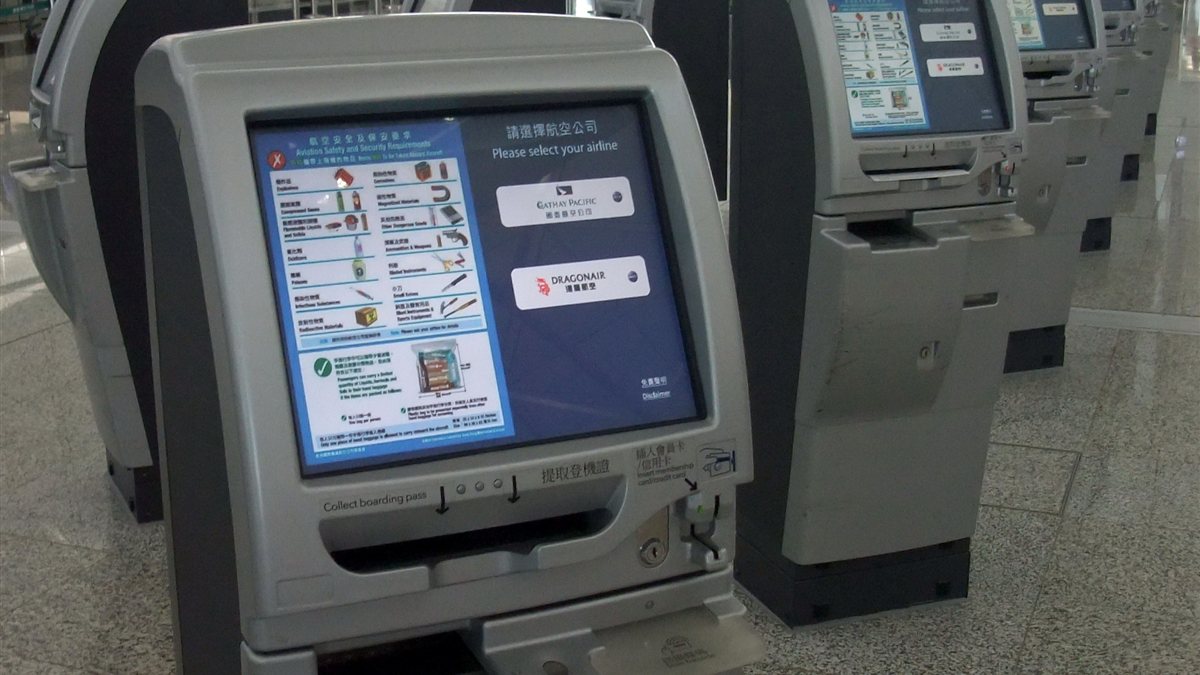
  • Changing an airport printer or common-use platform can invalidate an old boarding-pass approval. Recheck the stock, print layout and readers together before rollout. For procurement teams, the important question is not whether the replacement printer can produce a ticket. It is whether the approved thermal stock still feeds, images, separates and reads reliably across the intended operating configuration. A supplier's retained paper sample cannot, by itself, establish that result after an equipment or software change. What has changed, and what has not IATA's Common Use Standards resources state that, from 1 January 2026, its recognized common-use standards used for passenger processing are not designed to be supported on end-of-life Windows operating systems. This is an already-applicable platform-support position, not a new rule specifying the grammage or dimensions of thermal boarding-pass paper. The same IATA resource describes the transition to CUSS 2 and links a phased migration plan. Airport teams should check their own platform provider's migration schedule rather than infer a universal paper-replacement deadline. A platform upgrade does not automatically make a paper grade unsuitable; it creates a reason to review the configuration and the evidence supporting continued use. Direct thermal imaging also remains distinct from thermal-transfer printing. Zebra's printing-method guidance explains that direct thermal media react to the heated printhead, whereas thermal transfer uses a ribbon. Replacing one device with another therefore requires more than comparing their advertised resolution. Two issuing environments, two qualification questions Staffed check-in counter: an airport evaluating XHANCO model XH-BP-203-190-001 should test the approved stock with the counter's actual printer configuration. Check feed orientation, image position, sensor response and separation of the detachable stub. A successful output from a supplier's different printer is useful preliminary evidence, not final acceptance for the counter. Self-service kiosk or gate reprint station: the same 190 gsm thermal boarding-pass listing needs a separate assessment if the feed path, cutter, sensor or output presentation differs. Run the output through the intended gate readers. Do not approve the whole estate solely because a visually similar pass scans on one handheld device. The catalogue lists 203.2 × 82.55 mm stock and customization options. These identify an offered format; they do not establish universal compatibility with every common-use installation. Physical media requirements should come from the installed equipment specification and the airline's controlled layout. A practical change-control checklist Record the change. Identify printer model, firmware, driver or platform release, sensor configuration and affected locations. Establish whether the paper, artwork or supplier lot also changed. Freeze a comparison baseline. Retain approved stock and a readable reference output. Use non-live test data supplied or approved by the airline; do not circulate passenger records as routine supplier samples. Compare geometry. Check overall format, variable-print position, sensor-mark alignment, perforation and separation. Inspect output from the beginning, middle and end of a representative loading cycle. Compare imaging. Record print speed, darkness or energy settings and resolution. Inspect missing dots, streaks, filled spaces and barcode boundaries instead of judging only how dark the text appears. Test the reader path. Use the readers and orientations expected in operation. Agree what counts as a first attempt, a retry, a damaged pass and an excluded test before calculating results. Release the configuration. Document the accepted combination, remaining exceptions, responsible approver and circumstances requiring another review. Avoid a sign-off that says only “paper approved.” Keep material supply and system acceptance separate Purchasing can manage the substrate, static printing, conversion drawing and lot traceability. The airline or airport's operational team controls passenger-data generation and the deployed issuing and reading environment. Qualification is strongest when those responsibilities meet in one controlled trial rather than being assumed to sit entirely with the paper converter. This checklist is procurement guidance, not an IATA certification procedure, a claim that XHANCO has certified a particular airport installation, or a substitute for the operator's requirements. For a stock review, use the existing Airline Boarding Passes solution and send the model, equipment details and proposed changes with your sample request. Cover: historical Hong Kong airport self-check-in kiosks (2011), by Malcolm Koo (Mk2010), Wikimedia Commons. Photo licensed CC BY-SA 3.0; cropped and resized, with this photo adaptation shared under the same license. Illustrative, not evidence of a XHANCO customer, product approval or airport contract.

    Read More
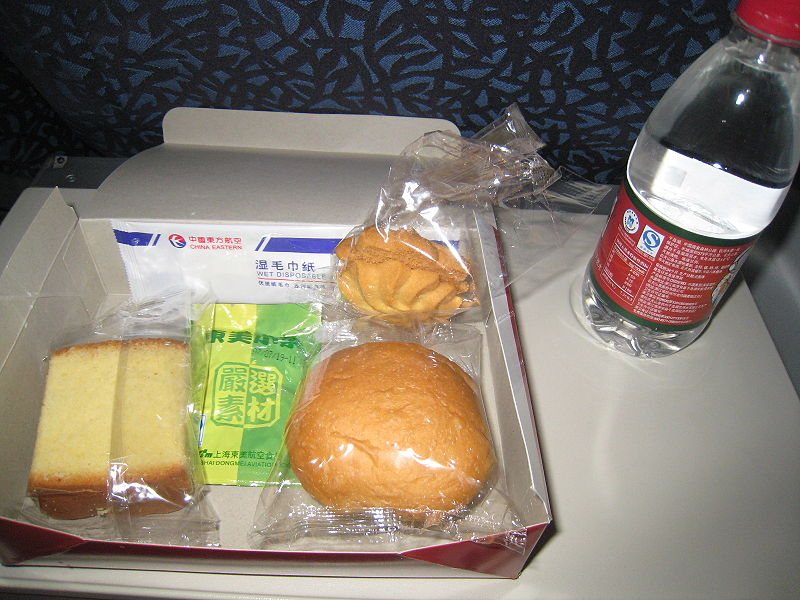
  • Printing on the outside of food packaging does not remove migration risk. Buyers of printed meal boxes and snack films should review ink, substrate, stacking and finished-pack evidence together before approving production. For procurement teams, artwork sign-off often means checking colour, wording and logo placement. Food-contact review asks a different question: can constituents from the printed layer reach the food under the intended manufacturing, storage and use conditions? This application briefing, dated 10 October 2026, focuses on that practical issue. It is not a claim that a new EU printing-ink deadline starts today, nor a declaration that any XHANCO item has passed a particular regulatory assessment. The current requirement: control transfer, not just visible ink contact The Annex to Commission Regulation (EC) No 2023/2006 on good manufacturing practice addresses inks applied to the non-food-contact side. It covers transfer through the substrate and transfer from the printed face to the food-contact face when sheets or reels touch, commonly called set-off. The regulation also addresses handling and storage and states that printed surfaces within this process must not directly contact food. Its general application date was 1 August 2008: these are established obligations, not a future phase-in announced for 2026. For today's purchasing decision, a later packaging-policy milestone must not be treated as permission to defer existing food-contact controls. This briefing does not identify a new future transition date for the ink-transfer controls discussed here. Separate material-specific rules, amendments and destination-country requirements still need a current review for the actual construction and market. The Finnish Food Authority's food-contact-materials control guide places packaging safety within the responsibilities of the supply and use chain. It is official enforcement guidance, not an independent product certificate. The practical implication for a buyer is to connect the supplier's information to the finished package and intended food use, rather than treat the words food grade as the entire review. Two applications where the purchasing brief needs more detail Printed paper meal boxes. XHANCO's custom-printed airline paper meal box is an existing format for catering programmes. When specifying a printed version, identify which panel faces food after folding, where print and varnish are placed, and how blanks or formed boxes are stacked. A graphics proof cannot show the chemical suitability of the completed board, coating, adhesive and ink combination. A useful approval question is: does the evidence describe the same board construction, printed side and use conditions as the order? If a programme changes from wrapped snacks to direct contact with warm, oily food, request a fresh application review. Do not infer suitability for the new menu from a successful colour match or an old test on unprinted board. Printed snack films. XHANCO's BOPP heat-seal film roll has a custom-printing option. For a printed proposal, ask the converter to identify the proposed layer structure, food-contact face, print position and winding orientation. Determine whether the delivered reel or subsequent conversion can bring printed and food-contact faces together. A film-to-film snack wrapper is a different application from a tray-lidding construction; do not transfer approvals between them without review. During sample planning, supply the snack's fat and moisture characteristics, packing and storage conditions, intended shelf life and sealing process. These details help the responsible technical team determine the relevant assessment. They should not be replaced by a request for a generic certificate covering every film and food. A practical checklist before releasing artwork to production The following is a procurement workflow, not a prescribed laboratory method or a guarantee of compliance: Map the package. Keep a construction drawing showing food-contact surfaces, substrate layers, print, coatings, adhesives, folds and seams. Use the same revision identifier on the drawing, artwork and purchase order. State intended use. Record food type, direct or indirect contact, packing temperature, contact duration, storage and any later heating. Escalate unclear or changed uses before production rather than after delivery. Request ink-system information. Ask the converter to obtain the applicable technical data and supplier information, including restrictions. Confidential composition details can be handled through the responsible technical parties; an SDS alone should not be treated as a finished-pack migration conclusion. Review the process. Discuss drying or curing, handling, stacking, winding and storage controls for the proposed print process. Keep a record of what the converter will control and how changes are communicated. Agree the assessment route. Have the responsible specialist or laboratory select the relevant migration evaluation and test conditions. Match submitted samples to the finished construction. Visual rub checks and an absence of visible offset are useful process observations, not proof that migration is acceptable. Release and retain. Approve the artwork and technical specification separately, retain representative samples and supporting records, and define a change-review trigger for new inks, substrates, coatings or process settings. The EuPIA guideline on inks for food-contact materials, amended May 2023 explains the role of statements of composition, technical data and migration assessment in supply-chain information sharing. It is industry guidance rather than a substitute for law or a certification of a purchased package. Its document structure can help buyers ask more precise questions without demanding that every piece of confidential formulation data appear in a commercial quotation. Turn compliance questions into a usable enquiry When requesting a printed packaging quotation, attach the intended-use brief to the artwork rather than sending the logo alone. Ask the supplier to identify the proposed construction, the documentation available for that construction and the points still requiring confirmation. Record limitations as clearly as the requested appearance. A well-defined review can prevent a late discovery that the approved print layout or material does not match the application. For a paper-box or snack-film project, contact XHANCO with the food application, destination market, artwork and quantity. Technical suitability and any required evidence should be confirmed for the specific proposal before ordering; this article makes no blanket EU-compliance claim for the company's products. Cover photograph: China Eastern Snackbox, AcidBomber / Wikimedia Commons / CC BY 3.0. Original 800 × 600-pixel composition retained; JPEG re-encoded without cropping or content alteration. Historical application photograph only, not evidence of XHANCO supply, regulatory compliance or airline endorsement.

    Read More
  • For European food-packaging programmes, “BPA-free” is not a sufficient purchasing specification. The EU’s restrictions on bisphenol A (BPA) in food-contact materials are now past their general July 2026 transition for first placing affected single-use articles on the market. A February 2026 correction clarifies both that deadline and narrower extensions. Buyers planning 2027 deliveries should check the finished article, every relevant component and the evidence chain rather than relying on a generic certificate or a supplier’s one-line claim. The legal starting points are Commission Regulation (EU) 2024/3190 and its correction, Regulation (EU) 2026/250. The European Commission’s food-safety announcement explains the policy context. This article is a buyer’s screening guide, not a legal opinion or a claim that any particular XHANCO item meets EU requirements. Which transition has already ended? Under the corrected Article 11, qualifying single-use final food-contact articles manufactured using BPA that complied with the earlier rules but do not comply with the new regulation could be first placed on the EU market until 20 July 2026. That general first-placement window has now closed. “First placed” is not the same as the date a buyer opens a carton, uses a package or sells food packed in it. The regulation includes further provisions for filling and sealing eligible packaging already first placed within the transition, and for sale of the resulting packaged food until stocks are exhausted. A purchaser should document which event occurred, by whom, and when; a warehouse receipt alone does not establish legal first placement. The restriction is about the regulated substance and the article’s actual composition and use. It is not a rule that every PP tray, PLA coating, paper cup or metal container is automatically non-compliant. Equally, the words “paper,” “plant-based” or “food grade” do not prove compliance for a finished structure with coatings, inks, adhesives or a separate lid. Which deadlines are still in the future? The corrected regulation provides a narrower 20 January 2028 first-placement transition for specified single-use articles intended to preserve certain fruits, vegetables or fishery products, and for articles whose BPA-manufactured varnish or coating is applied only to the exterior metal surface. These are defined exceptions, not a general postponement for catering packs. The preserved-fruit and vegetable provision has a stated exclusion for certain products covered by the EU fruit-juice directive. Buyers should ask legal or compliance specialists to confirm eligibility against the exact article and food use before applying the later date. For qualifying packaging first placed under the applicable transitional provision, the correction also sets a further 12-month period for filling and sealing. The packed food may then be marketed until stocks are exhausted. That does not permit a new, non-compliant article to be first placed after its applicable deadline. Future procurement contracts should separate the material-manufacturing date, first-placement evidence, filling date and food-stock disposition. Apply the rule to the complete packaging system Consider an airline caterer assessing XHANCO’s blue-base PP meal container with a clear lid. The base material name describes only one component. A buyer should request the actual formulation and food-contact declaration for the supplied base and lid, identify any colourants or coatings, and specify the food type, contact time and temperature. Ask whether the evidence covers the exact assembled SKU and production revision. Do not infer BPA use or absence from the colour, transparency or polymer label alone. A different example is the PLA-coated 8 oz paper cup. Its paperboard, barrier coating and printed surface have different functions. The purchasing file should identify the supplied coating chemistry, printing and any relevant set-off risk, together with intended hot or cold beverage conditions. “PLA-coated” does not establish a migration result, and a management-system certificate cannot replace product-specific food-contact documentation. For either product, if the destination is outside the EU, use that market’s own food-contact rules. If several markets are served from one artwork or stock-keeping unit, record the strictest agreed specification and retain the evidence for each destination. Regulatory dates should never be copied from one market to another without checking scope. A practical buyer checklist for the next order Define the final article: list base, lid, coating, ink, adhesive and any liner or seal that may affect food contact. Map intended use: identify food types, maximum contact temperature, duration, reheating or chilled storage, and whether contact is direct or indirect. Request current documents: obtain a declaration of compliance and supporting test or formulation information for the actual material grades and finished configuration; check issue dates and revision numbers. Check the legal pathway: determine whether the article complies with the current rule or is claimed to fall within a specific transition; document the precise basis and first-placement date. Control changes: require notice before a supplier changes resin, coating, ink, lid or production site, and agree when fresh testing is needed. Release against evidence: approve a physical sample and the associated compliance file before bulk production, then retain batch traceability for repeat orders. The strongest outcome is not a broad “BPA-free” badge. It is a traceable specification for the exact product and application, reviewed against the current EU text. If an airline or foodservice buyer is comparing meal containers, lids or coated cups, contact XHANCO with the destination market, service conditions and documentation list so the appropriate product evidence can be reviewed before quotation or sampling. Illustrative photograph: plastic food-packaging items, Meanwell Packaging / Wikimedia Commons, CC BY 2.0. Cropped for this article. The photo is not an XHANCO product or compliance evidence.

    Read More
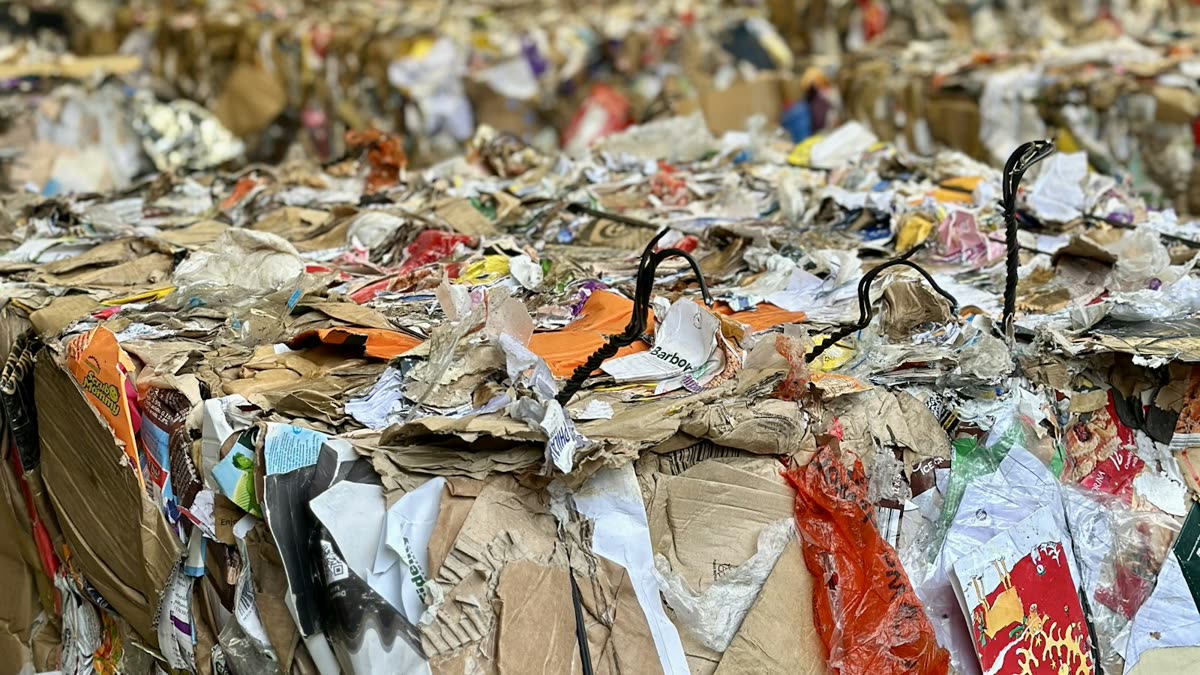
  • Published 8 October 2026. UK packaging buyers have a practical planning task: the government has published its recyclability assessment methodology for the 2027 reporting year, while the current 2026 year still uses RAM version 1.1. The distinction matters when a catering pack combines a tray, lid, sleeve, label or flexible wrapper. A supplier’s claim that a material is “recyclable” is not enough to establish the rating of the complete packaging item. What is in force now—and what starts in 2027? Under UK extended producer responsibility (EPR) for packaging, obligated large producers assess relevant household packaging and report recyclability data. The government says RAM version 1.1 applies to the 2026 reporting year, from 1 January to 31 December 2026. Its separately published RAM 2027 guidance applies to the reporting year beginning 1 January 2027. Buyers should therefore keep their 2026 submissions aligned with the current method, while obtaining the technical data needed for the next method now. The 2027 publication is a forward planning document, not a reason to retrospectively relabel 2026 packaging. The legal duty depends on the producer’s role, size and packaging stream. Not every airline, caterer, importer or overseas manufacturer has the same reporting obligation. The UK government’s current RAM overview says the assessment concerns specified packaging, including household packaging and packaging commonly disposed of in public bins. It also directs producers who lack material details to contact the packaging manufacturer. Procurement teams should confirm their own EPR position with their compliance advisers, then ask suppliers for component-level evidence rather than a general sustainability statement. Why the construction of an airline meal pack matters The 2027 materials guidance calls for the correct material category, separate assessment of components where appropriate, and examination of collection, sorting, reprocessing and end-market application. A green result at one stage alone does not produce an overall green rating. It also says insufficient evidence for an amber or green rating leads to a red outcome. These rules make the bill of materials, component weights and intended separation behaviour commercially important. Consider a polypropylene airline meal container with a clear lid. Buyers need to establish the polymer of each part, whether the lid is intended to be removed, each component’s weight and dimensions, any printed or adhesive elements, and the relevant collection pathway. A PP base does not automatically make the entire pack recyclable, and a clear lid cannot be assumed to have the same rating as the base. The assessment must reflect the actual supplied construction and UK method. A second example is a snack wrapper made from custom BOPP heat-seal film. The finished pack may have coatings, inks, adhesives, metallisation or additional layers that are not apparent from the term “BOPP”. Buyers should document the final film structure and pack format, not infer a RAM rating from the base polymer or a supplier brochure. Food-contact suitability is a separate question from recyclability: evidence for one does not prove the other. A useful 2027-ready supplier checklist Map every component: identify tray, lid, sleeve, label, seal, wrapper and any insert; record which pieces are separable in normal use. Request a controlled specification: polymer or fibre composition, layer structure, coating and adhesive description, component mass, dimensions and print/ink system. Test the actual article: assess the finished packaging configuration and its food-contact requirements, not an unprinted or unconverted film sample alone. Apply the right year: retain the version 1.1 assessment for 2026 and run a separate 2027-method review for packaging that will be supplied in the next reporting year. Keep the evidence trail: record supplier declarations, drawings, test reports, version dates and the rationale for the category and rating. Reassess when specifications change. Check the producer role: determine which entity places the packaging on the UK market and which reporting stream applies before treating a supplier rating as a final legal conclusion. The official 2027 materials assessment guidance contains the detailed criteria and evidence requirements. It is the primary reference for a UK assessment; a packaging supplier can provide technical inputs but should not substitute for the obligated producer’s compliance decision. What buyers can do this quarter Prioritise high-volume formats and those with multiple materials or coatings. For each SKU, create a one-page record of the pack as sold, its component breakdown, 2026 assessment status, and open 2027 evidence gaps. Then compare design options against shelf-life, seal integrity, food-contact, handling and operational requirements before changing materials. A nominally simpler structure that fails in transport or service is not an effective procurement decision. XHANCO can discuss specification options for airline meal containers and flexible packaging and provide product information for a buyer-led assessment. For a material or format review, contact the team with the current pack drawing, end-use and target market. No product-specific UK RAM rating is asserted here; it must be established for the final packaging and applicable reporting year. Cover: illustrative photograph of packaging waste at a UK recycling facility, not an XHANCO site. Photo: John Cameron / Unsplash.

    Read More
1 2 3 4 5

Leave A Message

Leave A Message
If you are interested in our products and want to know more details, please leave a message here, we will reply you as soon as we can.
submit
Contact us:sales@xhanco.com

Home

Products

WhatsApp

contact